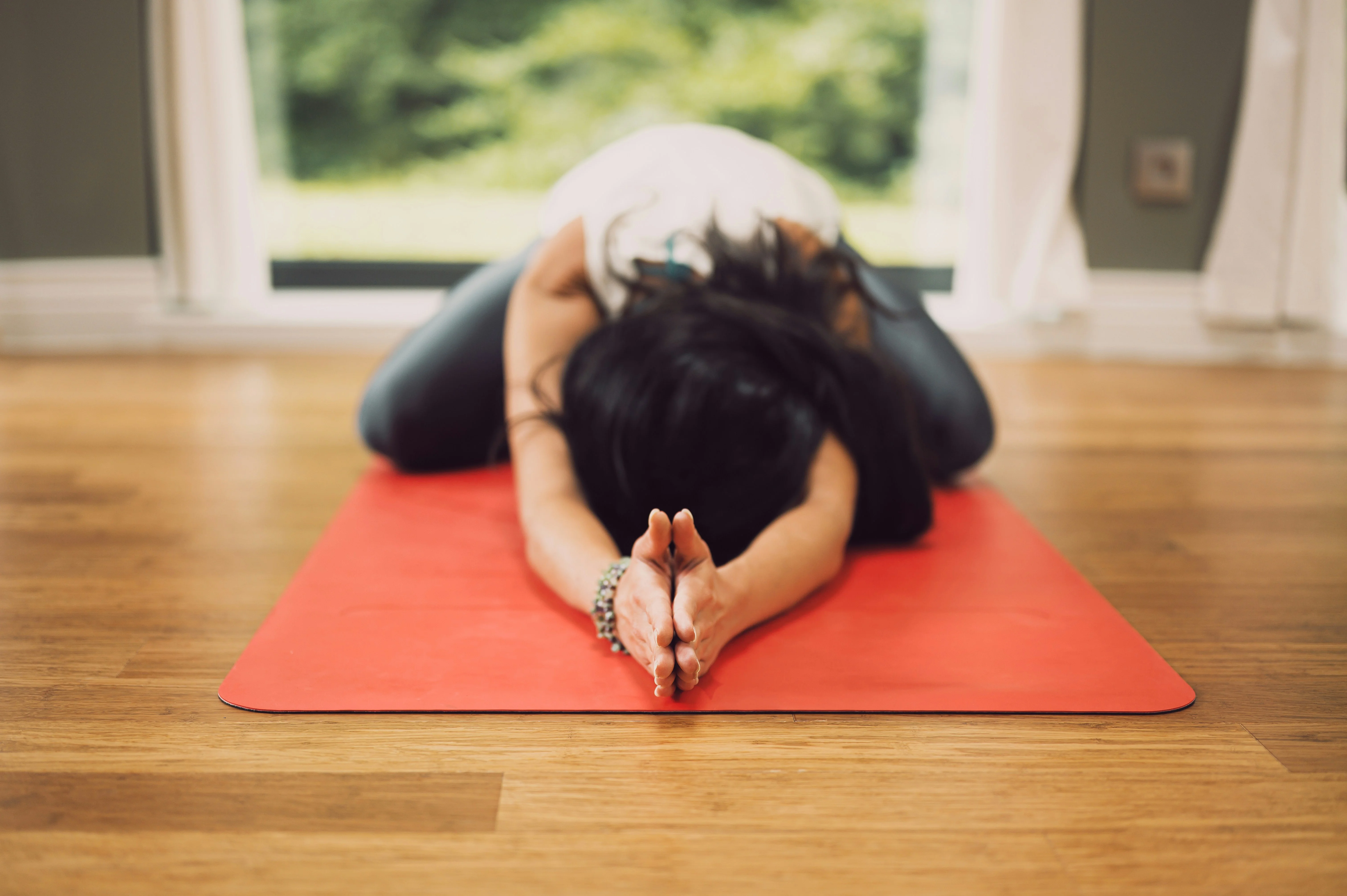
yoga flow
Yin Yoga: Benefits, Poses & Who It Suits
Complete guide to yin yoga: physiological effects, connective tissue adaptation, 7 key poses with hold times and targets, who benefits most, contraindications, and integration with other practices. Build nervous system resilience and joint health.
Bodhgriha Team
Bodhgriha Institute
Yin yoga represents a distinct approach within contemporary yoga practice, emphasizing passive, longer-held postures that target deep connective tissues rather than muscles. While modern yoga culture often prioritizes dynamic, strength-building practices like vinyasa and power yoga, yin yoga operates on fundamentally different principles. Understanding yin yoga requires grasping not just the mechanics of the poses, but the philosophical foundations and physiological effects that distinguish it from other yoga styles.
What Is Yin Yoga: Core Principles
Yin yoga emerged in North America in the 1970s, developed by martial artist and yoga teacher Paulie Zink who synthesized Chinese medicine principles with yoga practice. The practice draws inspiration from Taoism and the concept of yin and yang...complementary, interdependent forces where yin represents qualities of rest, receptivity, and internal focus.
In yin yoga practice, poses are held for extended periods, typically 3 to 10 minutes, sometimes longer. Gravity becomes the primary force; muscular effort is minimal. The goal is not to stretch muscle tissue, which requires active engagement and contraction, but to apply gentle, sustained stress to connective tissues including tendons, ligaments, fascia, and the subtle layers surrounding joints.
This approach contrasts sharply with yang practices like vinyasa or power yoga, which emphasize muscular strength, flexibility through active engagement, and dynamic movement. Both approaches are valid; yin yoga simply operates on different principles and targets different tissue systems.
Physiological Effects and Research
Yin yoga's effects on the body are measurable and increasingly documented in research literature.
Connective Tissue Adaptation:
Tendons, ligaments, and fascia adapt to stress through a process called mechanotransduction. When gentle, sustained stress is applied to these tissues for extended periods, they respond by increasing collagen synthesis and improving tissue hydration. This doesn't happen through muscular contraction; it requires prolonged, low-intensity tension. A 5-minute muscle stretch barely activates this adaptive response; a 5-minute yin yoga pose creates conditions for genuine connective tissue remodeling.
This explains why yin yoga produces different results than active stretching. After yin practice, practitioners often report increased joint mobility and reduced joint discomfort—benefits that come from improved connective tissue resilience rather than increased muscle flexibility.
Nervous System Regulation:
The extended, passive nature of yin poses activates the parasympathetic nervous system, the "rest and digest" branch responsible for recovery and stress regulation. Unlike dynamic practices that can activate sympathetic arousal (the "fight or flight" response), yin yoga explicitly supports nervous system downregulation.
Research on yin yoga demonstrates measurable decreases in cortisol levels, heart rate, and blood pressure following practice. These aren't minor effects; they're comparable to meditation in their impact on stress biomarkers. For individuals managing chronic stress, anxiety, or trauma, yin yoga offers a somatic practice that explicitly supports nervous system healing.
Fascial System Integration:
Contemporary understanding of fascia...the connective tissue system permeating the entire body, has transformed how we understand yoga's effects. Fascia is not inert wrapping; it's a dynamic, responsive system with significant sensory innervation. When fascial tissue is stressed through yin postures, sensory receptors throughout the fascia provide proprioceptive feedback to the nervous system.
This feedback loop...where connective tissue stress creates proprioceptive awareness, explains why yin practitioners often report increased body awareness and improved interoception (sensing internal body states). The practice literally teaches the nervous system to attend to subtle internal signals.
Primary Benefits of Yin Yoga Practice
Improved Joint Mobility and Lubrication:
Yin yoga stimulates synovial fluid production in joints. Synovial fluid is the lubricating medium that reduces friction and nourishes cartilage. Extended, low-intensity stress triggers synovial fluid mobilization throughout joints. For individuals with joint stiffness or mild arthritis, yin practice often produces noticeable improvements in comfort and mobility within weeks of regular practice.
Reduced Muscular Tension:
While yin yoga doesn't build muscle strength, it reduces unnecessary muscular holding patterns. Many individuals habitually maintain low-level muscular tension throughout their bodies, a protective mechanism in response to stress or past trauma. This chronic tension restricts movement and contributes to discomfort. Yin practice, through its emphasis on release and relaxation, gradually trains the nervous system to recognize and relinquish unnecessary tension.
Enhanced Flexibility:
Unlike active stretching, which stretches only the muscle belly, yin yoga applies stress to tendons and ligaments that resist rapid lengthening. Over time, this stress creates adaptive lengthening in connective tissues, producing flexibility gains that persist because the adaptations are structural rather than temporary.
Stress Reduction and Anxiety Management:
The parasympathetic activation during yin practice produces measurable reductions in anxiety symptoms. Studies comparing yin yoga to other stress management interventions demonstrate comparable effectiveness. For individuals with anxiety disorders, yin yoga offers an embodied, accessible practice with neurobiological support for symptom reduction.
Improved Sleep Quality:
Practicing yin yoga, particularly in evening hours, creates nervous system conditions favorable for sleep. The parasympathetic activation persists for hours post-practice, reducing the activation required to fall asleep and deepening sleep architecture.
Emotional Release and Processing:
Prolonged postures often trigger emotional responses, tears, sighs, or spontaneous memories. This occurs because connective tissues store trauma and emotional memories. When tissues are held in stressed states, stored emotions sometimes surface. This isn't pathological; it's a normal aspect of somatic healing. Skilled yin teachers create containers where emotional release is normalized and supported.
Key Yin Yoga Poses and Target Areas
Supported Child's Pose (Balasana)
Hold: 3-5 minutes
Target: Lower back, hips, shoulders
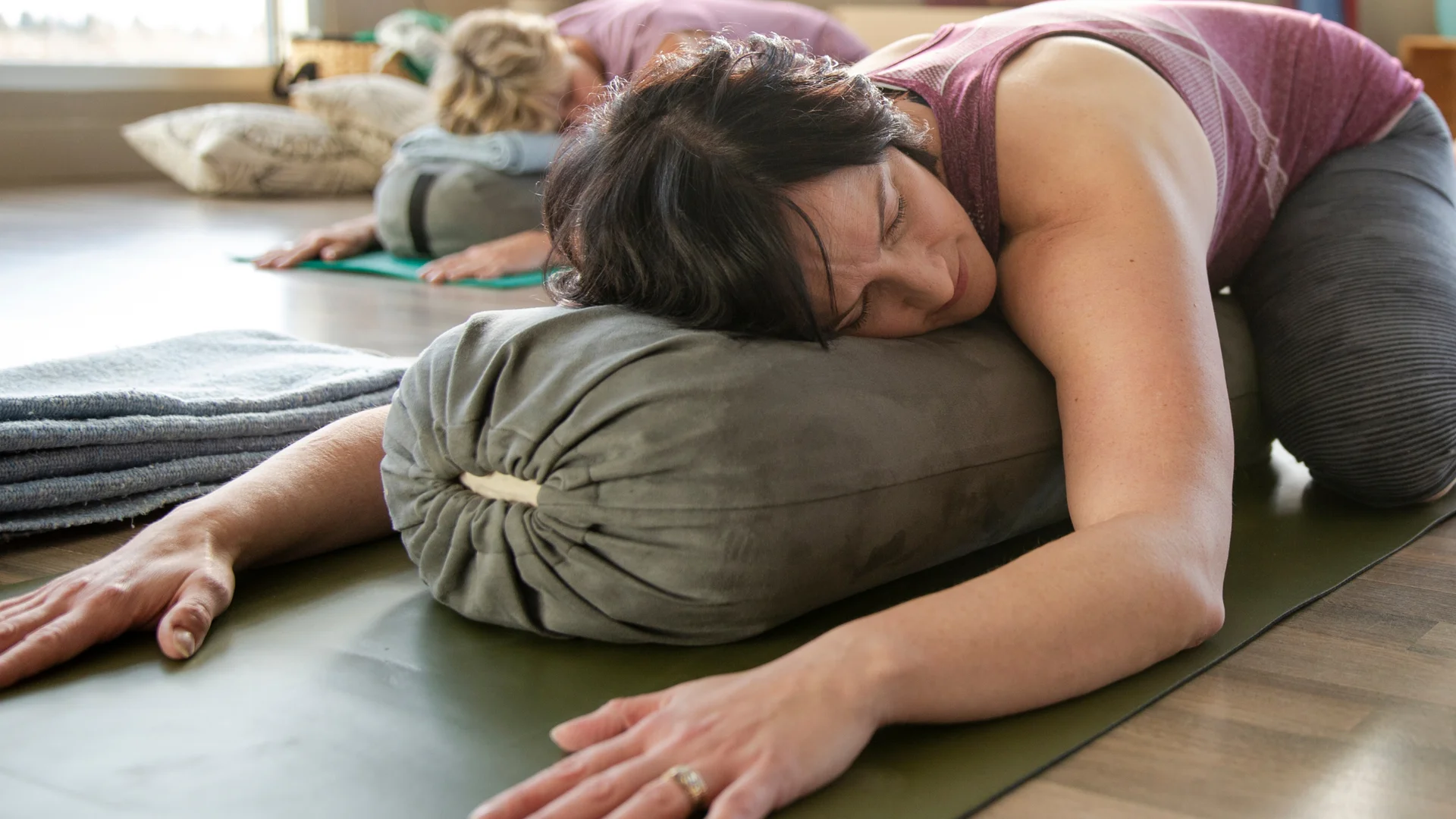
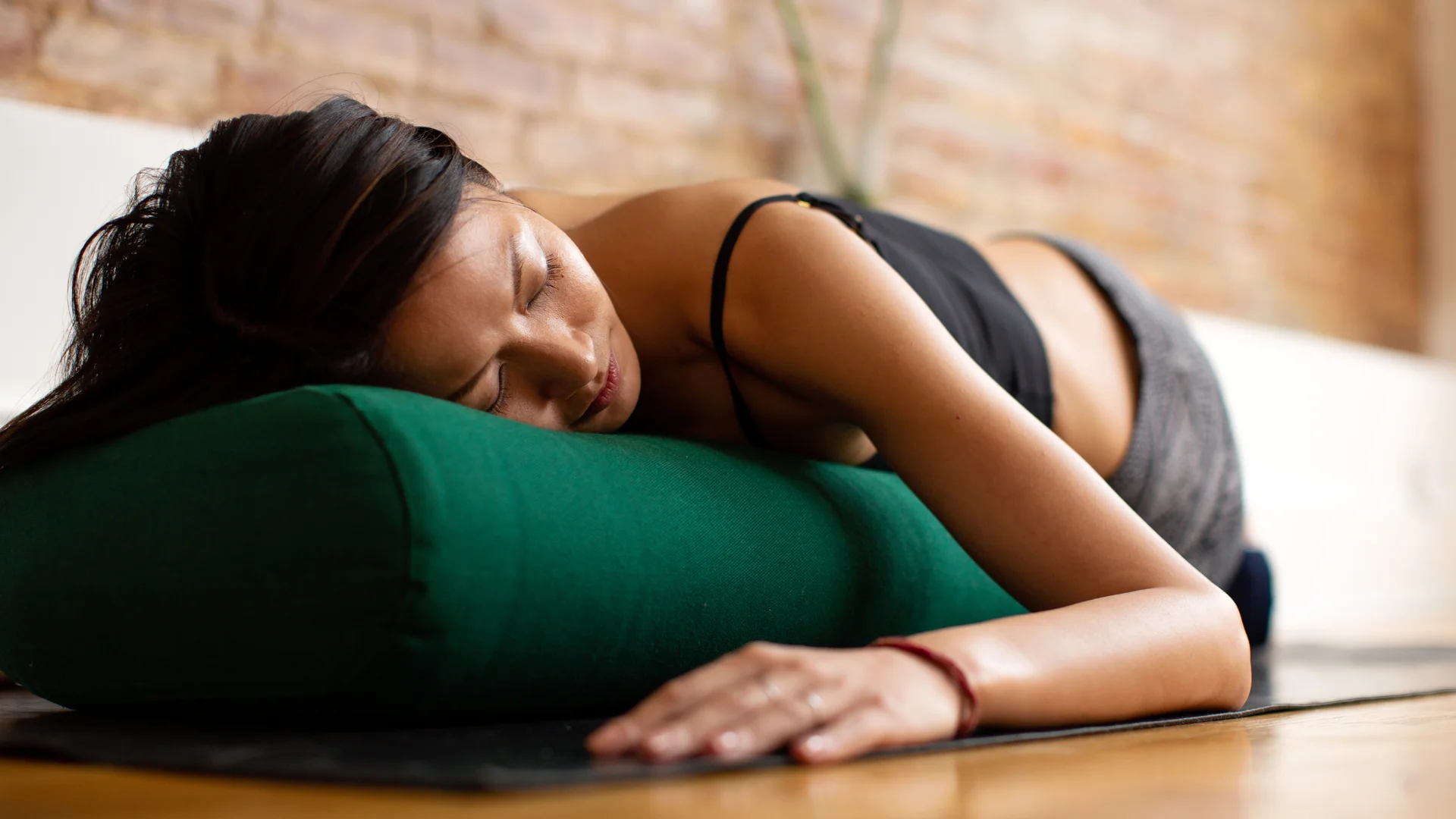
This foundational pose provides gentle compression to the lower back and forward hip flexion. Props—typically a bolster or pillow under the torso, allow full relaxation without active muscular engagement. Practitioners lie forward, torso supported, allowing gravity to gently stress posterior hip and lumbar tissues.
Dragon Pose (Low Lunge)
Hold: 4-5 minutes per side
Target: Hip flexors, quadriceps, front body
This deep hip opener applies sustained stress to hip flexor tissues and front-body connective tissue. Practitioners hold a low lunge position, front knee bent approximately 90 degrees, back leg extended. The intensity comes from gravitational stress, not muscular effort. This pose is particularly valuable for individuals with sedentary lifestyles where hip flexors remain chronically shortened.
Butterfly Pose (Baddha Konasana)
Hold: 4-5 minutes
Target: Inner thighs, hips, groin
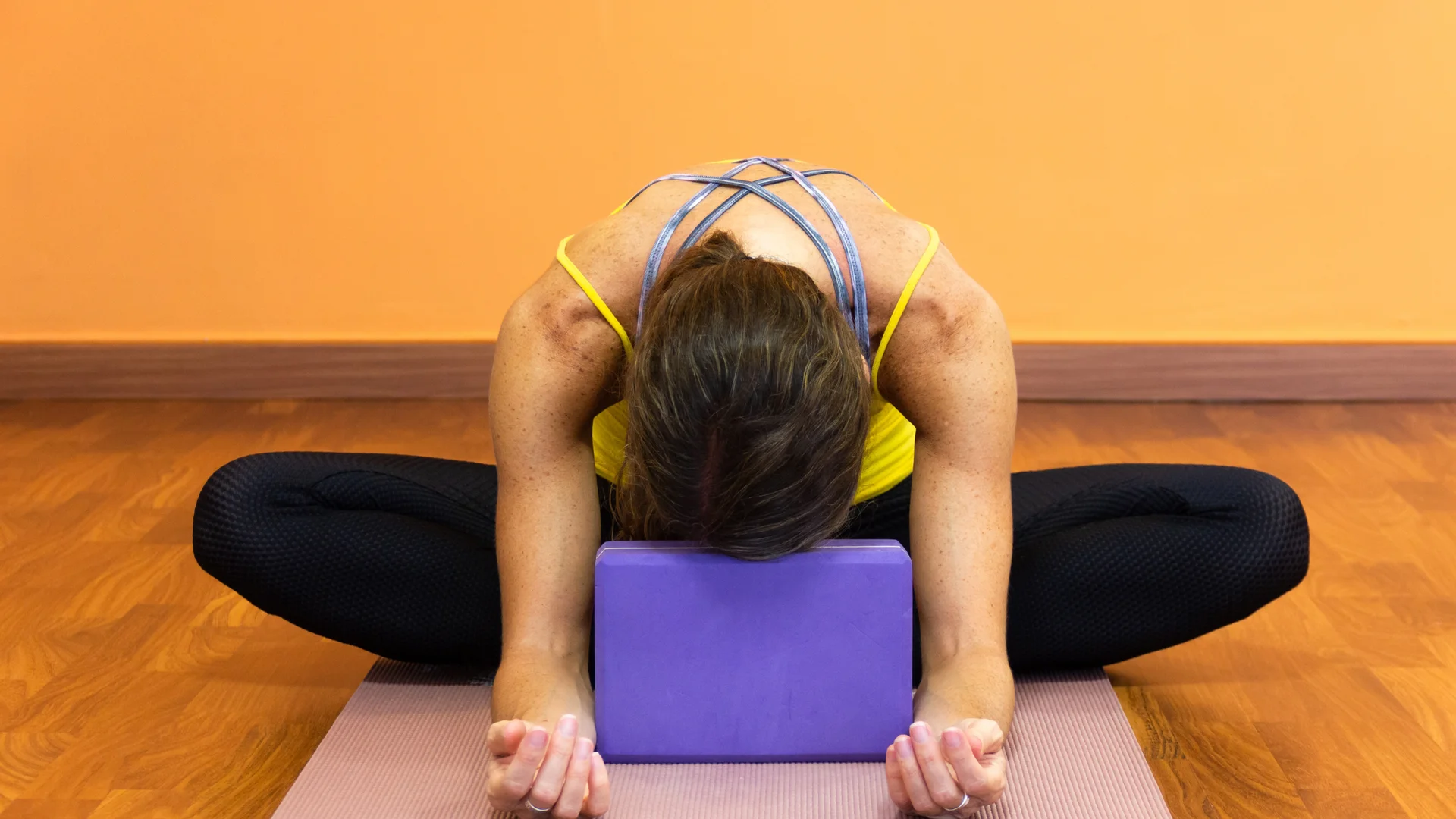
Soles of feet press together, knees fall toward earth via gravity. This passive hip opener is accessible to most practitioners regardless of mobility level. Props under the knees reduce intensity for practitioners with limited hip flexibility.
Caterpillar Pose (Forward Fold)
Hold: 4-5 minutes
Target: Hamstrings, posterior chain, spine
Seated forward fold with minimal muscular engagement. Unlike active hamstring stretches, caterpillar pose applies prolonged stress to the entire posterior chain through gravitational loading. The spine gently rounds, applying traction to spinal ligaments and creating beneficial stress throughout the back body.
Reclined Twist (Supta Matsyendrasana)
Hold: 3-5 minutes per side
Target: Spine, obliques, hip external rotators
Supine position with one knee drawn across body toward opposite shoulder. Gravity provides gentle spinal rotation and lateral flexion stress. This pose is particularly effective for releasing chronic spinal tension while the nervous system is in a relaxed state.
Sphinx Pose (Salamba Bhujangasana)
Hold: 3-5 minutes
Target: Spine, chest, hip flexors
A gentle backbend using forearms for support rather than hand leverage. Unlike updog or full cobra, sphinx pose applies minimal strain while stressing the front body and spine. Particularly valuable for practitioners with lower back sensitivity.
Supported Reclined Goddess (Supta Baddha Konasana)
Hold: 5-10 minutes
Target: Hip flexors, chest, inner thighs, front body
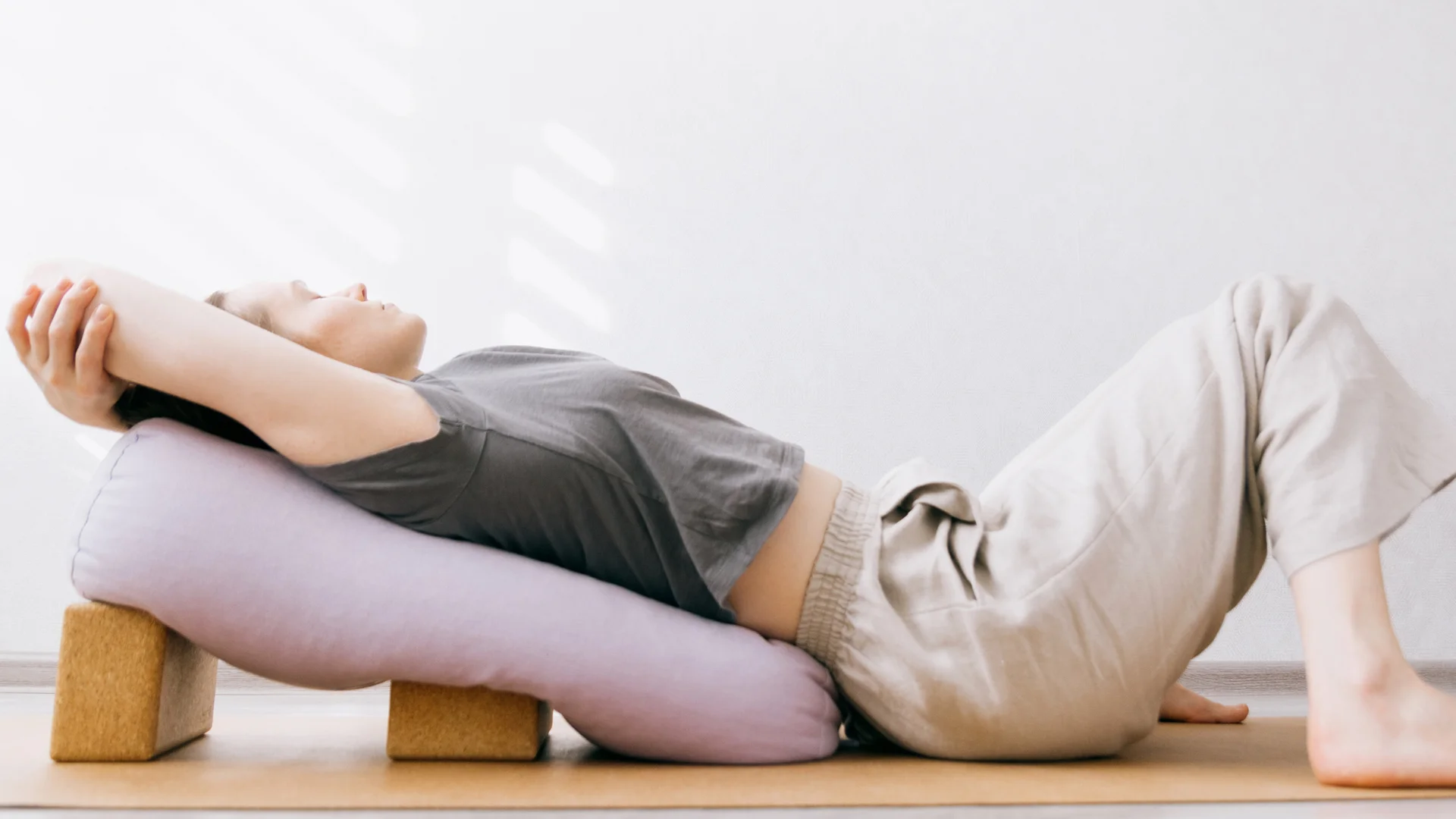
This restorative pose places practitioners in gentle hip abduction and spinal extension. A bolster under the spine allows full chest opening without muscular effort. The extended hold duration makes this pose particularly effective for nervous system regulation and emotional processing.
Who Benefits Most from Yin Yoga
Yin yoga's parasympathetic activation makes it particularly valuable for anxiety management. Unlike aerobic exercise, which can temporarily increase arousal, yin yoga explicitly downregulates the nervous system. For individuals with anxiety disorders, generalized anxiety, or stress-related conditions, yin yoga offers accessible, evidence-supported practice.
Practitioners with Joint Issues or Limited Mobility
Yin yoga is accessible across mobility spectrums. Props allow practitioners with significant mobility limitations to access benefits. The gentle, gravity-based approach creates mobility improvements without high injury risk. Individuals recovering from injury, managing arthritis, or navigating chronic pain conditions often find yin yoga more appropriate than dynamic practices.
Those Seeking Nervous System Healing or Trauma Processing
Somatic practices like yin yoga can support trauma processing by gradually teaching the nervous system that extended rest is safe. This is particularly valuable for individuals with trauma histories who habitually maintain protective muscular tension.
Older Adults and Seniors
Yin yoga's safety profile, accessibility, and joint-mobility benefits make it ideal for aging practitioners. The practice maintains and improves joint health without high injury risk. Many seniors report improved mobility and reduced discomfort with regular yin practice.
Practitioners Overstimulated by Demanding Physical Practices
Some individuals respond poorly to dynamic, intense practices...either due to temperament, trauma history, or nervous system sensitivity. These practitioners often thrive with yin yoga's gentler, slower approach. Not every body does well with vigorous exercise; yin yoga honors this variation.
Individuals Seeking Emotional Integration
Yin yoga's capacity to facilitate emotional release makes it valuable for individuals actively engaged in therapy or emotional processing. The somatic nature of the practice complements psychological work by providing embodied space for emotional awareness and release.
Who Should Approach Yin Yoga Cautiously
Pregnant Practitioners
Certain yin poses compress abdominal organs or create deep hip stress inappropriate during pregnancy. Pregnant practitioners should practice only with instructors trained in prenatal yoga modifications. Many yin poses remain safe; others require adjustment or avoidance.
Individuals with Acute Injuries
During acute injury phases (typically the first 6 weeks), sustained stress on injured tissues may impede healing. Yin yoga is better suited to chronic conditions than acute injuries. Practitioners should consult healthcare providers before practicing yin yoga following injury.
Those with Bone Density Issues
Individuals with osteoporosis or significant bone density loss should avoid yin poses creating twisting stress or deep hip stress that risks fracture. Modifications exist, but medical consultation is appropriate.
Practitioners with Certain Joint Conditions
Some joint conditions, particularly those with significant instability or severe degeneration, may worsen with yin yoga's sustained connective tissue stress. Again, modifications exist, but individual assessment is important.
Integration with Other Practices
Yin yoga functions best within balanced practice. Pure yin yoga practice, practiced exclusively, can over-stress connective tissues or reinforce muscular weakness. Most practitioners benefit from combining yin yoga with yang practices...strength training, dynamic yoga, or cardiovascular work.
The optimal model integrates yin and yang: yang practices build strength and muscular engagement; yin practices restore connective tissue health and nervous system regulation. This balance creates resilient, functional bodies rather than emphasizing one quality at the expense of others.
Many practitioners structure practice as 70% yang, 30% yin, or similar proportions. Others alternate, yang practices some days, yin practice other days. The key is intentional integration rather than exclusive focus on one approach.
Practical Considerations for Yin Yoga Practice
Props Are Essential
Yin yoga requires props...bolsters, blocks, blankets. Props aren't optional or signs of inadequate flexibility; they're essential tools enabling appropriate stress levels and nervous system safety. Practitioners should invest in quality props.
Environmental Factors
Yin practice benefits from warmth and quiet. Cold environments trigger protective muscular bracing; warm environments support relaxation. Similarly, external stimulation interferes with parasympathetic activation. Dedicated, quiet practice spaces support optimal outcomes.
Breath and Mindfulness
While yin poses are passive, conscious breathing and mindful awareness enhance practice value. Practitioners who simply "hang out" in poses experience less benefit than those combining poses with conscious breath awareness and interoceptive attention.
Teacher Guidance
Quality instruction matters significantly. Skilled yin teachers understand individual variation, offer appropriate modifications, and create emotionally safe containers where release and processing can occur. Beginning yin practice with experienced instruction produces better outcomes than self-directed practice.
Yin yoga represents a complete yoga practice philosophy emphasizing nervous system regulation, connective tissue health, and embodied awareness over muscular engagement and dynamic movement. The practice produces measurable physiological benefits, particularly for stress management, joint mobility, and flexible connective tissues.
Yin yoga is not a "gentler" version of dynamic yoga; it's a distinct practice with different principles, targets, and outcomes. For many practitioners...particularly those managing chronic stress, joint issues, or seeking nervous system healing...yin yoga offers profound benefits unavailable through dynamic practices alone.
The practice's integration into a balanced yoga and movement regimen, combined with skilled instruction and environmental support, creates conditions for meaningful physical and nervous system transformation.
Last updated August 04, 2026 at 20:03 UTC