destination
Bali vs Kerala Wellness Trip: Which to Choose?
Bali or Kerala for a wellness trip? Compare yoga culture, Ayurveda, climate, visa basics, and 2026 costs to find the destination that fits your goals.
Bodhgriha Team
Bodhgriha Institute
Bali and Kerala come up again and again when people plan a wellness trip, and for good reason. Both places have a long relationship with yoga, meditation, and healing traditions. Both offer warm weather for much of the year, calm landscapes, and a wide range of programs from simple community stays to polished resort-style experiences. Yet the two destinations feel very different once you arrive. Bali is an island with a strong tourism infrastructure, an international crowd, and a wellness scene that blends yoga studios, spa menus, and a cafe culture. Kerala is a southern Indian state where Ayurveda is woven into daily life, where the pace is slower, and where the wellness experience is rooted in a medical tradition that has been practiced for centuries.
Choosing between them comes down to what you want the week to do for you. Are you looking for a yoga practice with plenty of options, a therapeutic Ayurvedic program, or a restful break with room to explore? This guide compares the two destinations across the factors that matter most for a wellness trip: the kind of experience each offers, the practical logistics of getting there and staying, how costs compare, and which traveler each suits. Prices and rules change, so treat the figures here as orientation and confirm current details before you book.
What Each Destination Offers
Bali is best known for its yoga and mindfulness culture, particularly in and around Ubud, the island's central hill town. Ubud has long been a hub for yoga teachers, meditation programs, and holistic healers, and it sits among rice terraces and river valleys that give many programs a green, quiet setting. Other parts of the island have developed their own identities. Canggu is younger and more active, with surf culture, cafes, and a lively yoga scene. Seminyak leans toward spa treatments and relaxation. Uluwatu, on the southern cliffs, is known for ocean-view practice and sunset meditation.

Kerala offers something different. Its wellness identity is closely tied to Ayurveda, the traditional system of medicine that emphasizes diet, herbal preparations, massage, and daily routines suited to the individual. Many Kerala programs center on Panchakarma, a series of cleansing and rejuvenating treatments, and on therapeutic massage using warm oils. Yoga and meditation are often part of the schedule, but the emphasis is more frequently on health and treatment than on a yoga practice alone.
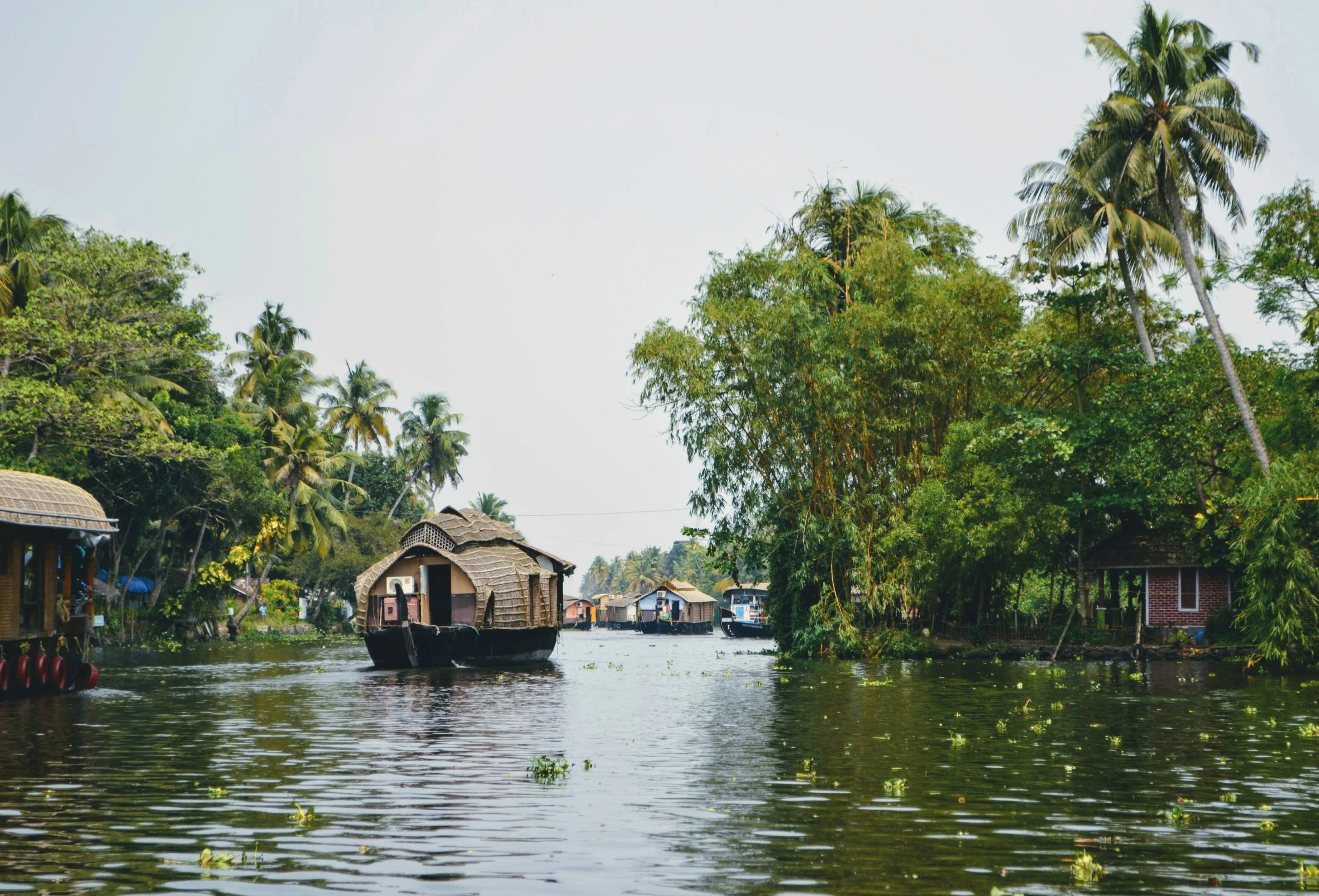
Kerala's landscape is equally distinctive. The state has backwaters, tea-growing hills, beaches along the Arabian Sea, and a monsoon season that brings heavy rain and a noticeably different atmosphere. Programs are spread across coastal towns, inland villages, and hill stations, and the choice of location shapes the feel of the stay as much as the treatments do.
Climate and Timing
Bali has a tropical climate with a wet season and a dry season. The island's dry season, roughly April to October, is often described as the most popular time for wellness travel, with dry weather and clear skies that suit outdoor practice. The wetter months, roughly November to March, bring occasional rain and fewer crowds, and some travelers prefer that quieter time for deeper programs. Humidity is present year-round.
Kerala's climate is also tropical, but its seasons follow the monsoon more closely. The southwest monsoon brings heavy rain from roughly June to September, and many visitors avoid the peak of it. Kerala's cooler, drier months generally fall between roughly October and March, which is when many travelers plan their visits. Because the monsoon affects the landscape and the experience, it is worth checking the timing of any specific program against local weather patterns.

Getting There and Getting Around
Travel logistics vary by traveler, but a few points apply to most people. Bali is served by an international airport, and many international routes connect through regional hubs in Asia and the Gulf. Kerala is served by airports in cities including Kochi, Thiruvananthapuram, and Kozhikode, and by domestic connections from other Indian cities. Once in Kerala, many travelers rely on pre-arranged transfers or private drivers, since distances between coastal towns and inland programs can be long and roads can be slow.
Getting around within each destination also differs. In Bali, scooters are common among locals and travelers, but traffic in busy areas can be heavy, and many people hire drivers for longer journeys. Ride-hailing services operate in the main areas. In Kerala, public buses and trains connect many towns, though transfers to rural programs often require a taxi or private car. Plan for transit time when choosing a location, because a program that looks close on a map may take hours to reach.

Visas and Entry Requirements
Entry rules change frequently, so always check current requirements with official sources before you travel. As of the 2026 guidance available when this article was written, Bali requires foreign visitors to pay a tourist levy. One 2026 entry guide lists this as IDR 150,000 per person, paid through the official Love Bali portal, ideally before departure. The levy is generally paid once per trip, and Indonesian citizens are exempt. The same guide describes a Visit Visa option with a stay of up to 60 days and a proof-of-funds requirement of USD 2,000 in a recent bank statement. Visa eligibility and fees depend on your nationality, so confirm with the Indonesian embassy or consulate that covers your country.
India has its own visa framework, and the rules for tourist visas, e-visas, and visa-on-arrival options depend on your passport. Many travelers apply for an electronic visa before arrival. Confirm the current fee, the permitted length of stay, and the entry points that are open to your nationality before booking flights. Once you have your visa, keep copies of the documents and your travel insurance details with you during the trip.
What a Week Costs in Each Place
Cost is often the decisive factor, and it is also where the two destinations differ most in practice. Bali's price structure reflects its status as a major international destination. One 2026 travel guide lists budget wellness stays in Ubud at roughly ₹5,000 to ₹9,000 per night, with luxury retreats priced considerably higher. Canggu and Seminyak show similar ranges for mid-level stays, and Uluwatu tends to sit higher for ocean-view properties. Across the island, a budget week is often reported in the range of ₹40,000 to ₹70,000, a mid-range week closer to ₹80,000 to ₹150,000, and a luxury week well above that. Figures are approximate, and the same source notes that exchange rates shift the value considerably.
Kerala's pricing is harder to pin down, because the state's wellness offer ranges from informal village stays to highly structured Ayurvedic programs. Across India more broadly, one 2026 pricing guide suggests that budget ashram and yoga stays can run roughly ₹1,000 to ₹3,000 per day including accommodation, classes, and simple meals. Mid-range retreats are listed at roughly ₹4,000 to ₹10,000 per day, and luxury wellness stays at ₹20,000 or more per day. The same guide notes that Ayurveda panchakarma programs and doctor-led care cost more than general yoga stays, because they include expert treatment and longer durations. These are national figures rather than Kerala-specific rates, so they should be used as a starting point and checked against actual programs.
Taking these ranges together, a practical way to compare the two is to look at the all-in cost of a week. A budget week in either place may be modest, but a Bali week in a popular area can rise quickly with spa sessions and dining out. A Kerala week built around Panchakarma treatments can also become expensive, particularly if the program is physician-led and includes daily therapies. In both destinations, the total you pay depends more on the program's structure and treatments than on the location alone.
Treatments, Teaching, and Depth
The biggest difference between the two destinations may lie in what you are paying for. Bali's wellness offer is strongest in yoga, meditation, breathwork, and spa-style treatments. If your goal is to deepen a physical practice or explore different styles of yoga with a range of teachers, Bali gives you a lot of choice. Teachers from many countries teach there, and the variety of class styles is wide.
Kerala's strength is Ayurveda. Programs often include daily massage, herbal treatments, dietary guidance, and in some cases a structured cleansing program. If you want a treatment-focused stay with a clear health emphasis, Kerala's tradition offers depth that is harder to find in most other places. Yoga and meditation are common additions, but the core experience is usually built around the treatment schedule.
It helps to be honest about what you want. A person who wants a physical practice five days a week will likely be happier in Bali's yoga-focused programs. A person who wants a multi-day Ayurvedic course with consultations and treatments is more likely to find what they need in Kerala. Some travelers combine the two, spending part of a trip in each place, although that adds travel time and cost.
Health Care and Practical Safety
Whichever destination you choose, plan for health care before you leave. Travel insurance that covers medical treatment and evacuation is strongly advisable, and you should confirm that the policy applies to the activities you plan, such as yoga, surfing, or hiking. Bring any prescription medications in their original packaging, with a copy of the prescription.
Ask every program directly about its medical arrangements. Find out whether a doctor or qualified practitioner is on site or on call, which hospitals are nearby, how long it would take to reach them, and how emergencies are handled. In Kerala, Ayurvedic programs that offer treatments should be able to explain the qualifications of the practitioners who deliver them and whether any supervision is in place for intensive therapies. In Bali, confirm the same for any programs offering medical or therapeutic services, and check that the program is equipped to handle common issues such as heat exhaustion, stomach upset, and minor injuries.
Food and water safety matter in both places. Many travelers drink filtered or bottled water and choose establishments with good hygiene practices. If you have food allergies, dietary restrictions, or medical conditions that affect eating, inform the program in advance and confirm that they can accommodate you. Be realistic about how far a rural program may be from a hospital, and factor that into your choice of location.
Who Each Destination Suits
Bali suits travelers who want variety, a strong yoga community, and an easy mix of structured practice and free time. It is a good match for people who enjoy cafes, beaches, and a social atmosphere alongside their wellness routine, and for first-time retreat-goers who appreciate having many options. It also suits those who want to customize their week by choosing among different teachers, styles, and neighborhoods.
Kerala suits travelers who are interested in Ayurveda as a health practice, who want treatments as the central part of their stay, or who are curious about a tradition that has developed over centuries in a specific cultural setting. It can suit people who prefer a slower pace and are comfortable with a more traditional environment, and it may appeal to those who want to combine treatment with time in nature, such as backwaters and hill country.
Questions to Ask Before You Book
Whether you choose Bali or Kerala, a few direct questions will reveal much about the value of a program. Ask what the daily schedule includes, how many hours of teaching or treatment happen each day, and what is optional. Ask who leads the sessions and what their training is. For Ayurvedic programs, ask about the practitioners' qualifications, whether consultations are included, and how treatments are adjusted for individual needs. For yoga programs, ask about the teaching style and level of instruction.
Ask what the quoted price includes and what it excludes. Common extras include airport transfers, meals outside the program, additional treatments, tips, and travel insurance. Ask about the deposit, the balance due date, and the cancellation policy. Finally, ask about the program's medical arrangements, as described above. Clear answers are a good sign, and vague answers are worth noting before you commit.
Bali and Kerala both offer meaningful wellness experiences, but they offer different things. Bali gives you choice, a strong yoga culture, and an easy blend of practice and leisure, with a commercial scene that rewards those who choose carefully. Kerala gives you a deep tradition of Ayurvedic care, a slower rhythm, and a landscape that shapes the experience, with treatment-focused programs that reward those who know what they want.
Think about your reasons for going. If you want to move, learn, and explore a range of practices, Bali is a natural choice. If you want to receive a traditional healing approach and let the treatments lead your days, Kerala may serve you better. Either way, plan carefully, check visa and entry rules, confirm what each program includes, and make sure you are comfortable with the medical arrangements before you arrive. A well-matched trip, whether on an island or in a southern Indian state, can leave you feeling restored long after you return home.
Last updated November 03, 2026 at 20:03 UTC