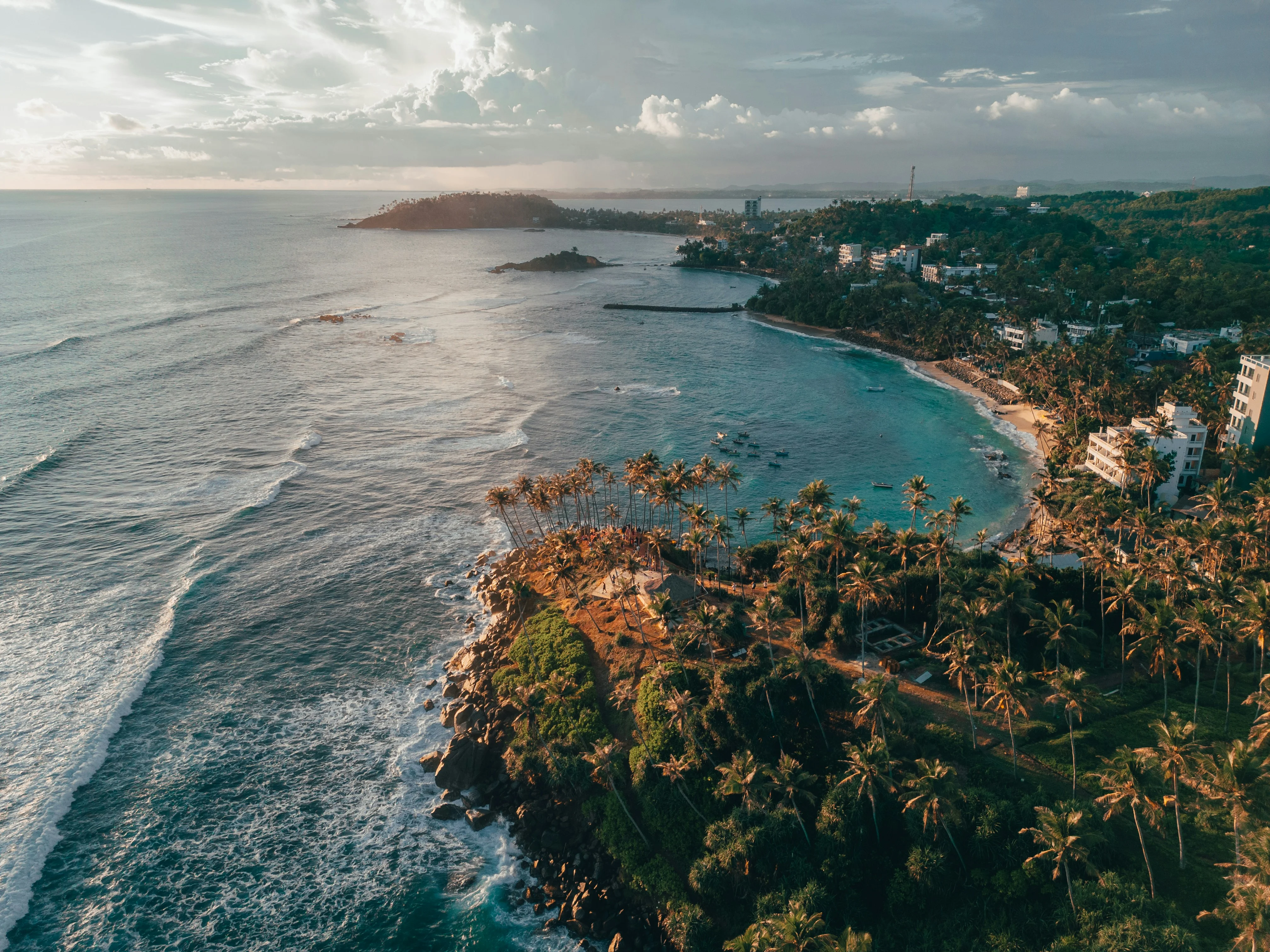
destination
Ayurveda Retreats in Sri Lanka vs Kerala: Which Destination Is Right?
Compare Ayurveda retreats in Sri Lanka vs Kerala: treatment options, costs, monsoon season benefits, visa requirements, and which destination suits your wellness goals.
Bodhgriha Team
Bodhgriha Institute
For anyone seeking authentic Ayurvedic healing, two destinations dominate the wellness landscape: Sri Lanka and Kerala, India. Both regions boast ancient Ayurvedic traditions, world-class retreats, and tropical climates supporting deep healing. Yet they offer distinctly different experiences. Understanding their differences helps you choose the retreat matching your goals, timeline, and personality.
The Ancient Ayurvedic Heritage: Both Have Deep Roots
Sri Lanka has its own ancient Ayurvedic tradition that predates modern wellness tourism, with Ayurveda part of the national healthcare system, not just a spa offering. The island has a continuous lineage of trained Ayurvedic physicians. Sri Lanka's distinct branch of Ayurveda, known as "Hela Wedakama" or traditional Sri Lankan medicine, blends classical Ayurvedic principles with indigenous healing practices unique to the island.
Kerala, in south India, is known for its rich heritage of Ayurvedic medicine and is considered one of the best places to experience Ayurveda. Many Ayurvedic centers and resorts are located throughout the state. Kerala represents the birthplace of Ayurveda in its classical form, with thousands of years of documented practice.
Key Difference: Sri Lanka blends Ayurveda with indigenous medicine; Kerala represents classical Ayurvedic tradition in its purest form.
Climate and Treatment Effectiveness: The Monsoon Factor
Kerala and Sri Lanka experience different seasonal patterns, significantly affecting treatment efficacy.

In traditional Ayurveda, the monsoon months, known in Kerala as Karkidaka...are considered the optimal season for treatment. The cool, humid air causes pores to dilate, allowing medicated oils to penetrate tissue more deeply than dry-season conditions permit.Traditionally, the Monsoon season (June–August) is considered best as the skin's pores are most receptive to oils.
The best time for Panchakarma in Kerala is from June to February, especially during the monsoon season (June to September), when the weather helps your body absorb herbal treatments better. This physiological advantage is documented in ancient Ayurvedic texts and validated by modern experience.
Sri Lanka's Year-Round Availability:

Key Difference: Kerala's monsoon season (June-September) provides superior physiological conditions for treatment absorption; Sri Lanka offers consistent quality year-round.
Treatment Depth and Specifications: Medical Authority Matters
Kerala's Standardized Medical Ratings:
As of late 2024, the Kerala Government has officially implemented new classifications to ensure medical-grade treatment: Ayur Diamond (highest tier with world-class facilities and high-ranking BAMS doctors) and Ayur Gold (premium quality with high medical standards).
These official ratings provide transparent quality assurance. Kerala is universally recognised as the home of Ayurveda. The humidity here helps open the skin's pores, making it the absolute ideal environment for oil-based treatments and deep detoxification.
Kerala's specialized centers offer:
- Abhyanga: Traditional full-body oil massage with specific herbal oils matched to your dosha
- Shirodhara: Continuous stream of warm oil over the forehead for nervous system healing
- Nasya: Nasal administration of medicinal oils for head and sinus health
- Panchakarma Therapies: Comprehensive five-fold cleansing including vomiting, purgation, enema, and nasal treatments
- Karkidaka Chikitsa: Monsoon-specific protocols using the season's natural conditions for deeper healing
Sri Lanka's Integrated Medical System:
In Sri Lanka, Ayurveda is not merely a spa treatment or wellness trend, it is a recognised and regulated branch of medicine. The country has a dedicated Ministry of Indigenous Medicine and a network of government Ayurvedic hospitals and clinics. Ayurvedic physicians, known as "Veda Mahattaya," undergo rigorous university training in both traditional and modern medical practices.
This institutional integration ensures rigorous standards, though without Kerala's formal rating system. Sri Lankan retreats emphasize personalized treatment customization based on detailed consultations with resident doctors.
Key Difference: Kerala's new Ayur Diamond/Gold rating system provides explicit quality assurance and intensive protocol-specific programs; Sri Lanka's institutional integration ensures rigorous standards through government regulation with emphasis on personalized customization.
Retreat Types and Specializations
Kerala's Comprehensive Offerings:
Kerala excels in intensive detoxification programs. Panchakarma, a five-fold procedure designed to strip Ama (toxins) from the cellular level...includes Vamana (therapeutic vomiting to clear lungs and stomach), Virechana (purgation therapy to cleanse liver and intestines), and Basti (herbal enema to improve digestion and detoxify the colon).
Kerala centers often specialize in:
- Extended Panchakarma programs (14-28 days)
- Monsoon-specific Karkidaka Chikitsa protocols
- Specialized conditions (weight management, chronic disease)
- Yoga and meditation integration
Sri Lanka's Versatile Approach:
The most popular regions each offer something different. The south coast from Bentota to Weligama combines beach proximity with nature-immersed settings; Kandy in the hill country offers cooler temperatures, cultural richness, and proximity to tea plantations and ancient temples.
Sri Lanka retreats often emphasize:
- Personalized, shorter programs (5-14 days)
- Luxury amenities with authentic treatment
- Cultural integration (temple visits, tea estates)
- Beach or hill country settings
Key Difference: Kerala specializes in intensive, protocol-specific detoxification; Sri Lanka offers personalized, versatile programs in varied settings.
Accommodation and Amenities: Luxury vs. Authenticity Balance
Kerala's Luxury-Plus Authenticity:
Ultra-luxury pool villas and India's first "In-Suite Spa" with treatment tables inside rooms allow you to rest immediately post-therapy. Premium Kerala retreats combine world-class comfort with strict Ayurvedic principles, no compromises.
However, authentic Ayurveda retreats in Kerala are strictly vegetarian and alcohol-free to allow the body to detoxify efficiently. Even luxury retreats maintain these principles.
Sri Lanka's Accessible Luxury:
Luxury retreats in Sri Lanka attract high net worth travelers from the UK, Australia, Singapore and the UAE who value discretion. Silence and simplicity are built into the architecture itself.
Sri Lanka offers quality accommodations at lower price points than Kerala's ultra-luxury options. Sri Lanka is more comfortable than many Indian budget ashrams, it hits a sweet spot of value and comfort.
Key Difference: Kerala offers premium luxury with strict Ayurvedic principles; Sri Lanka provides comfortable, quality accommodations at better value.

Cost Comparison: Budget to Ultra-Luxury
Kerala Pricing Structure:
- Budget centers: $40-80/day
- Mid-range: $100-200/day
- Luxury: $250-500+/day
- Ultra-luxury: $500-1,000+/day
Sri Lanka Pricing Structure:
- Budget centers: $50-100/day
- Mid-range: $120-250/day
- Luxury: $300-600/day
- Ultra-luxury: $600-1,200/day
Sri Lanka comes with several benefits: a warm and welcoming population, a straightforward visa process, and affordable flight options. Overall, Sri Lanka offers better value than Kerala at comparable quality levels.
Key Difference: Sri Lanka generally costs 20-30% less than Kerala for equivalent quality; budget options are more accessible in Sri Lanka.
Visa and Travel Logistics
Kerala (India):
- Tourist visa typically required (e-visa available, $25-80, 30-180 days)
- Major international airport in Kochi
- Extensive domestic transportation
- More crowded, bustling environment during season
Sri Lanka:
- Visa on arrival for most nationalities ($40, 30 days; ETA pre-arrival $25)
- Single international airport (Colombo)
- Compact, easy navigation
- Less crowded, more relaxed atmosphere
- Straightforward logistics for short visits
Key Difference: Sri Lanka offers simpler visa processes and more compact travel logistics; Kerala requires standard Indian visa procedures.
What to Expect
For Short Retreats (5-7 days):
Sri Lanka is optimal. Compact geography means minimal travel time. Therapeutic retreats include five-day programs of soothing Ayurvedic and spa therapies, mindful practices and contemplative local experiences. Programs fit busy schedules without feeling rushed.
For Intensive Detoxification (14+ days):
Kerala excels. For genuine detox, plan at least 7–14 days. For complete Panchakarma, 14–21 days is ideal. Kerala's protocol-specific programs optimize outcomes for extended stays.
For Extended Wellness Immersion (21+ days):
Kerala remains superior. Specialized programs justify longer commitments. Monsoon-season retreats offer unprecedented depth.
Key Difference: Sri Lanka suits shorter retreats; Kerala optimizes extended programs.
Important Practical Considerations
Medical Consultation and History:
Both destinations require detailed medical consultations before booking. Authentic retreats are strictly vegetarian and alcohol-free to allow the body to detoxify efficiently. Before attending either destination, disclose your complete medical history to the Vaidya (doctor) during consultation.
Travel and Acclimatization:
Kerala centers, particularly inland at higher elevation, require acclimatization time. Most practitioners recommend 1-2 days of rest and light activities before intense Panchakarma protocols begin.
Sri Lanka's shorter travel distances and year-round tropical consistency mean less acclimatization needed, making shorter retreats more feasible.
Post-Retreat Support:
Kerala programs often include post-retreat guidance through their network of physicians and partner centers worldwide. Sri Lanka retreats typically provide personalized protocols you can implement at home.
Consider which post-retreat support structure aligns with your needs...ongoing medical guidance or practical home implementation tools.
Family or Solo Travel:
Kerala's intensive, silent programs favor solo practice. Many centers actively discourage companions to maintain the therapeutic environment.
Sri Lanka's personalized programs accommodate couples and small groups better. Many centers offer concurrent programs for travel companions at different treatment levels.
Kerala:
- Best: June-September (monsoon season; optimal for treatment; lowest prices; fewer crowds)
- Good: October-February (pleasant weather; full pricing)
- Avoid: March-May (hot; less effective treatment absorption)
Sri Lanka:
- Year-round viable with regional variations
- Best: December-March (dry season; coastal retreats ideal)
- Good: April-September (southwest monsoon; still accessible)
- Less crowded: June-September (monsoon period)
Key Difference: Kerala's monsoon season (June-September) is specifically optimal; Sri Lanka works year-round with seasonal flexibility.
Who Should Choose Each Destination?
Choose Kerala If:
- You're seeking intensive, protocol-specific Panchakarma detoxification
- You can visit during monsoon season (June-September)
- You have 14+ days available
- You want classical Ayurveda in its birthplace
- You prioritize treatment effectiveness over comfort amenities
- You're managing chronic health conditions requiring specialized programs
Choose Sri Lanka If:
- You have limited time (5-10 days)
- You want luxury comfort alongside authentic treatment
- You need year-round flexibility
- You value cultural integration (temples, tea estates)
- You prefer personalized, shorter programs
- You want better overall value
- You appreciate compact, easy travel logistics
The Verdict: Different Paths, Both Transformative
Thanks to its close proximity to Kerala, India, the birthplace of Ayurveda, Sri Lanka is also recognized as a top destination for Ayurveda. Both destinations offer genuine, transformative Ayurvedic experiences. Neither is objectively "better"...they serve different needs.
Kerala is your choice for deep, intensive detoxification grounded in classical Ayurvedic protocols. The monsoon season provides physiological advantages unmatched elsewhere. For serious practitioners seeking comprehensive healing, Kerala's specialized programs justify extended stays.
Sri Lanka is your choice for accessible, personalized wellness combining authentic treatment with comfort and cultural richness. Shorter timeframes, better value, and flexible scheduling make Sri Lanka ideal for first-time retreatants and those with time constraints.
Both destinations have produced remarkable transformations. Your choice depends on your timeline, goals, budget, and whether you prioritize intensive protocol optimization (Kerala) or balanced wellness experience (Sri Lanka).
Last updated August 19, 2026 at 20:03 UTC