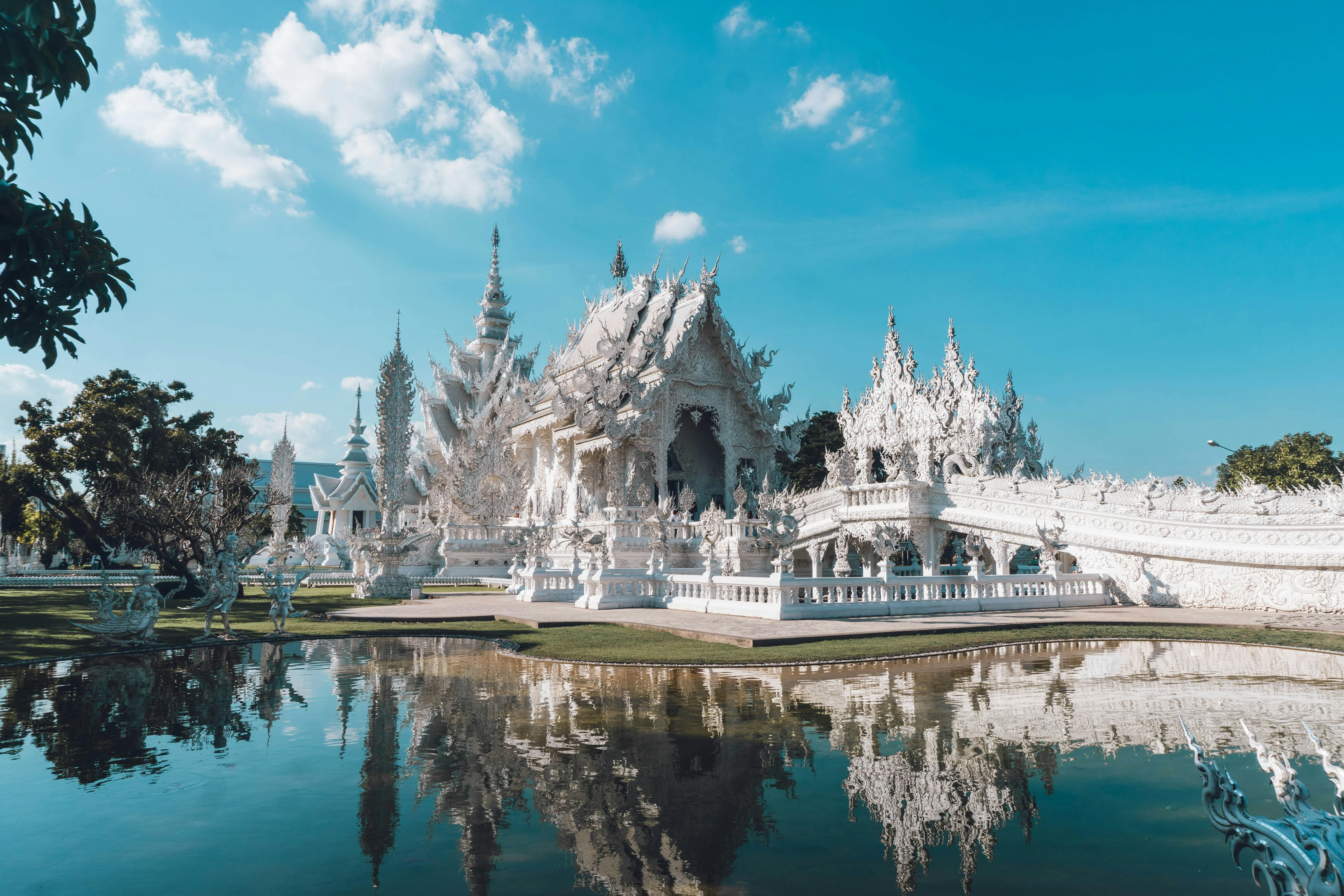
destination
10-Day Thailand Itinerary: Bangkok, Chiang Mai & the Islands (With Budget Guide)
A complete 10-day Thailand itinerary moving from Bangkok's temples and markets through Chiang Mai's mountains and monasteries to the slow rhythm of the southern islands ... with a full three-tier budget breakdown for the entire trip.
Bodhgriha Institute
Thailand has a way of resisting categorization. It is simultaneously one of the world's great spiritual destinations and one of its most chaotic cities, home to silent forest monasteries and neon-lit night markets, sometimes within the same hour of travel. For ten days, this contradiction becomes the itinerary's greatest asset, a journey that moves from the sensory overload of Bangkok, through the cool mountain stillness of Chiang Mai, and ends in the slow, salt-soaked rhythm of the southern islands.
This itinerary is built for travellers who want more than a beach holiday, but aren't necessarily booking a dedicated retreat either ... though we've built in the spaces where you could. Below is a day-by-day plan, the spots worth prioritizing, and a full budget breakdown for three different travel styles.
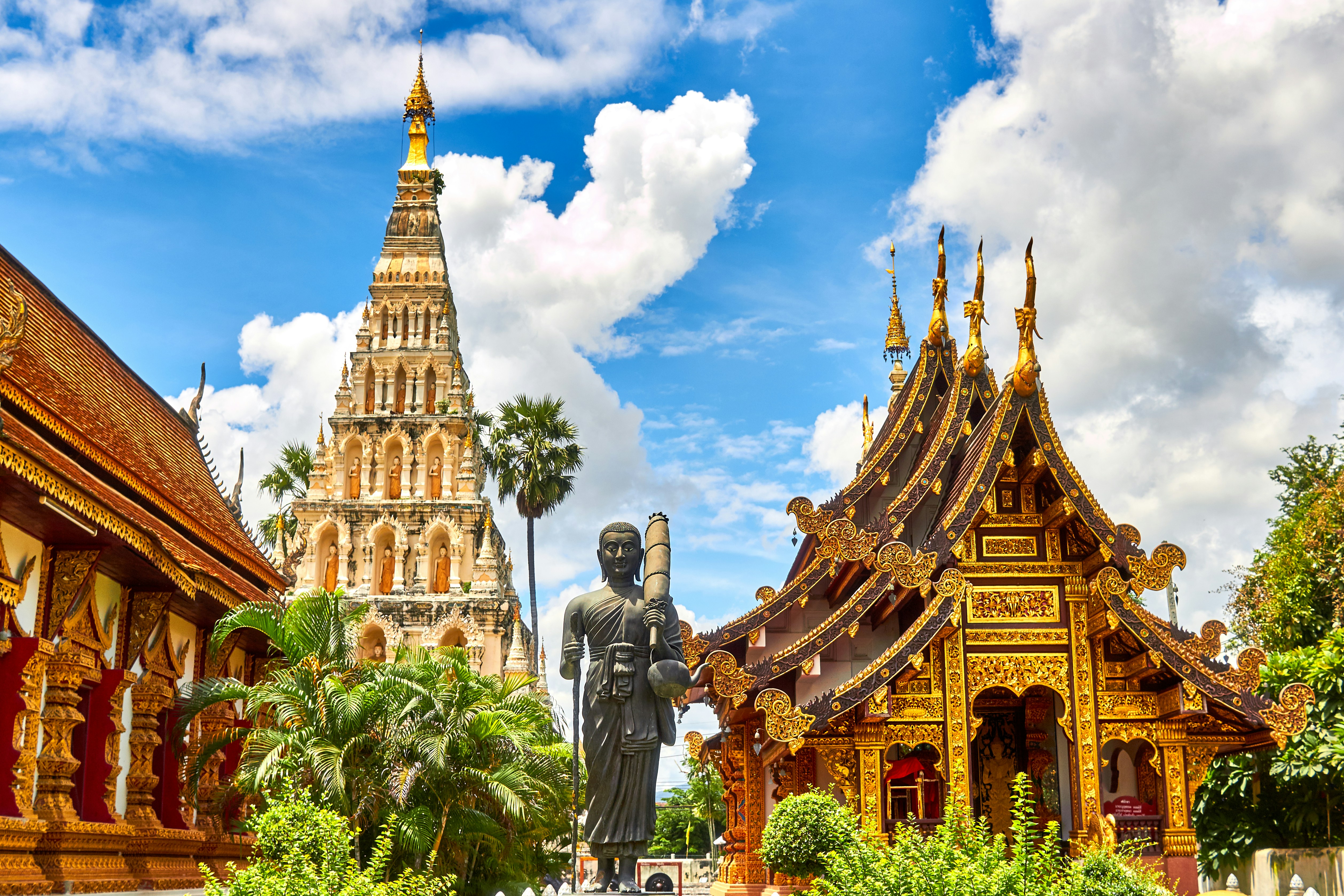
The Itinerary at a Glance
| Days | Location | Focus |
|---|---|---|
| 1–3 | Bangkok | Temples, markets, orientation |
| 4–6 | Chiang Mai | Mountains, monks, mindfulness |
| 7–10 | Koh Phangan or Koh Samui | Islands, yoga, slow living |
Days 1–3: Bangkok - The Loud Beginning
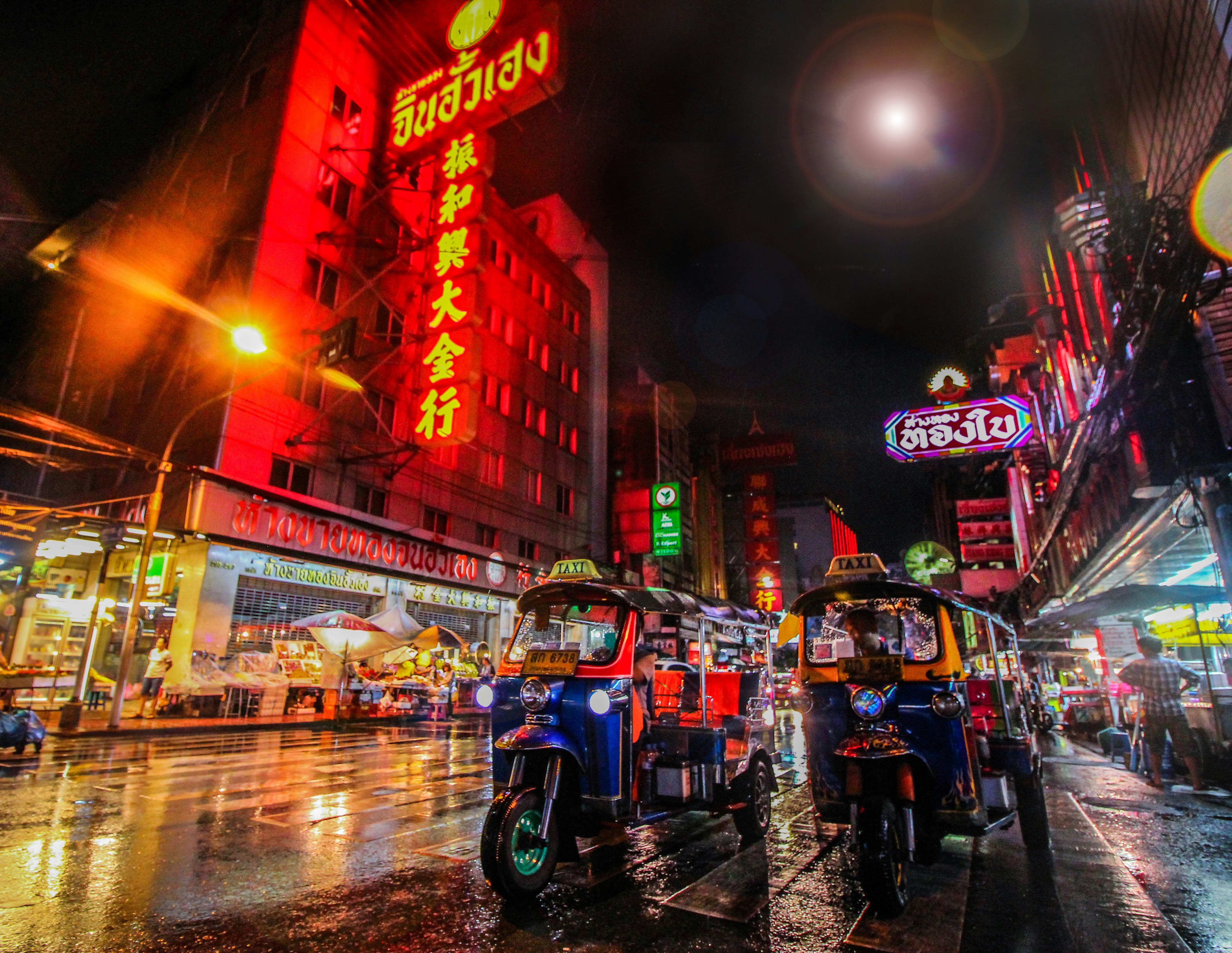
Day 1: Arrival & The Old City
Land, settle into your accommodation, and spend the afternoon walking the canals of Thonburi or the old quarter around Rattanakosin Island. If your flight allows, catch the late afternoon light at Wat Arun (the Temple of Dawn) from across the river, it is at its most photogenic precisely when the heat of the day begins to break.
Day 2: Temples & The Grand Palace
Dedicate this day to Bangkok's spiritual core:
- The Grand Palace and Wat Phra Kaew (Temple of the Emerald Buddha), arrive at opening (8:30 AM) to avoid both heat and crowds.
- Wat Pho, home to the 46-metre reclining Buddha, and also the birthplace of traditional Thai massage. A one-hour Thai massage here, administered by students of the on-site school, is one of the best-value wellness experiences in the country.
- In the evening, take the Chao Phraya Express Boat up the river, a cheap, scenic alternative to taxis, and a genuinely meditative way to watch the city's light change.
Day 3: Markets, Food & Slowing Down
Spend the morning at Chatuchak Market if it's a weekend (it's only open Friday–Sunday), or Or Tor Kor Market any day of the week for the best fresh produce and prepared food in the city. In the afternoon, consider a single drop-in yoga or meditation class, Bangkok has a growing number of studios in the Sukhumvit and Thonglor areas that cater specifically to travellers, often run by teachers trained in both Thai and Indian lineages.
Days 4–6: Chiang Mai - Mountains, Monks & Mindfulness
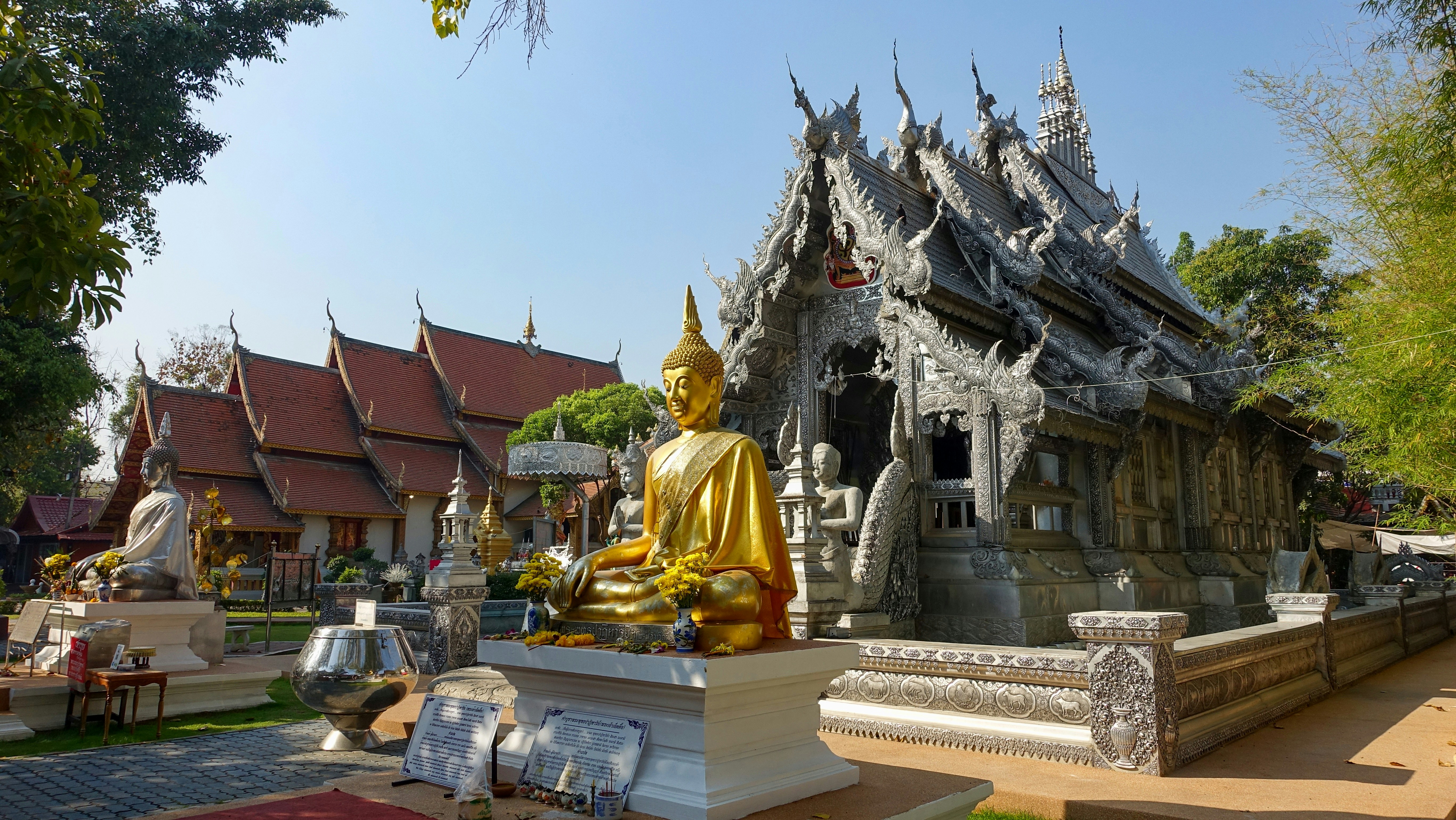
Day 4: Old City & Temple Immersion
Chiang Mai's Old City is compact and walkable, ringed by a moat and partial city wall dating back centuries. Spend the day moving between temples on foot:
- Wat Phra Singh - considered the most revered temple in the city, with a serene central hall ideal for quiet sitting.
- Wat Chedi Luang - its partially ruined chedi gives it a weathered, contemplative quality that newer temples lack.
- Wat Suan Dok - host to "Monk Chat" sessions, where resident monks speak informally with visitors about Buddhism, meditation, and daily monastic life. This is one of the most genuinely enriching, low-cost experiences in the city.
Day 5: Doi Suthep & Nature Immersion
Take a morning trip up to Wat Phra That Doi Suthep, the mountain temple overlooking the entire valley. Arriving early (before 8 AM) means cooler temperatures, thinner crowds, and a chance to witness the temple's daily rituals as they unfold rather than as a performance for tour groups.
In the afternoon, head into the surrounding hills ... many retreat centres and wellness lodges are tucked into the jungle just outside the city, often combining yoga with waterfall hikes, hot springs, or visits to ethical elephant sanctuaries (look specifically for sanctuaries that prohibit riding and focus on observation-based interaction).
Day 6: A Day of Stillness
After two days of movement, build in a day with no agenda. This is the day to consider a half-day or full-day meditation session, Chiang Mai has several centres offering single-day Vipassana introductions led by Theravada monks, requiring no prior experience and typically costing very little. Alternatively, simply spend the day at a café-adjacent guesthouse garden, journal, walk slowly, and let the cumulative effect of the trip settle.
"I chose this retreat in part because of the inexpensive cost, but the low cost belies the quality of the experience." - a guest reflecting on a homestay meditation retreat near Chiang Mai
This is also the right day to book your flight south. Direct flights connect Chiang Mai to Koh Samui (via Bangkok in most cases) or to Surat Thani, from which a ferry connects to Koh Phangan.
Days 7–10: The Islands - Koh Phangan or Koh Samui
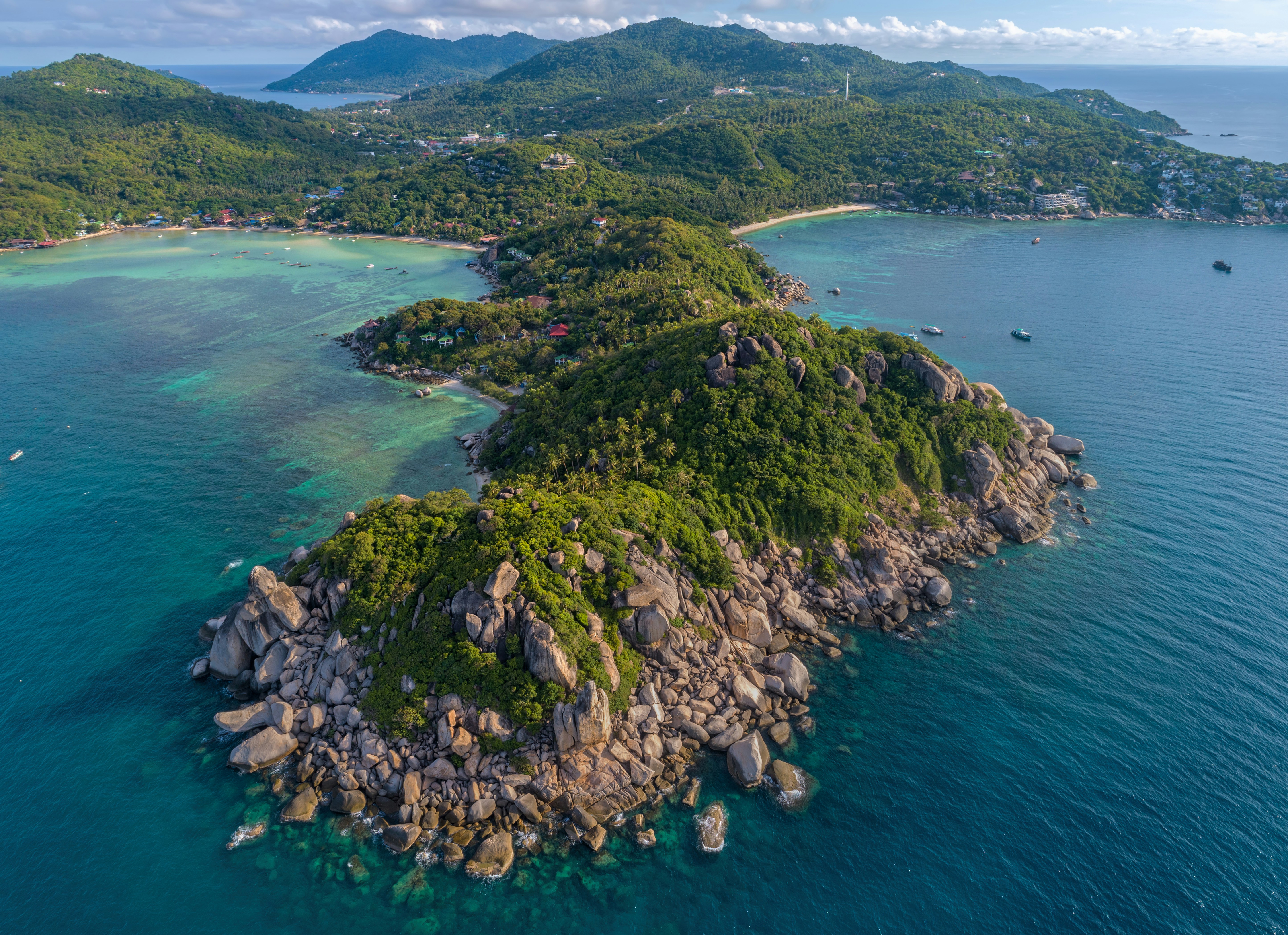
Choose Koh Phangan if you want a bohemian, spiritual atmosphere ... yoga shalas built into jungle hillsides, ecstatic dance and sound healing events, a strong community of long-term wellness seekers, and a more laid-back, alternative culture overall.
Choose Koh Samui if you want more structure and comfort, established wellness resorts with professional spa facilities, a wider range of accommodation standards, and easier logistics (Koh Samui has its own international airport).
Day 7: Arrival & Settling In
Travel days are real days: don't overschedule them. Arrive, check into your accommodation, and spend the afternoon orienting yourself to the beach or bay closest to where you're staying. If you're on Koh Phangan, Haad Yao and Srithanu are the centres of the island's yoga and wellness scene, with a dense concentration of shalas, healthy cafés, and holistic practitioners within walking distance of each other. On Koh Samui, Lamai and the quieter southern coast offer a more relaxed alternative to the busier Chaweng beach area.
Day 8: Yoga, Beach & Slow Mornings
This is the day to find a drop-in yoga class: most island shalas welcome single-class visitors, and morning sessions (often starting around 7–8 AM, before the heat builds) are common. After practice, the rest of the day can unfold at its own pace: beach time, a Thai massage (genuinely one of the best value wellness experiences anywhere in the world at this point in your trip), and an early dinner watching the sunset.
Day 9: Island Exploration
Both islands reward a day of exploration beyond the main beach areas. On Koh Phangan, consider:
- Bottle Beach : accessible by boat or a steep jungle trail, with a handful of low-key beachside huts and almost none of the island's party reputation.
- The Sanctuary at Haad Tien : even if you're not staying there, its open-air yoga deck and healthy café are worth the trip for the afternoon.
On Koh Samui:
- Na Muang Waterfalls : particularly beautiful after rain, with natural pools for swimming.
- The Big Buddha (Wat Phra Yai) : a striking 12-metre golden statue overlooking the northeast coast, best visited in late afternoon light.
Day 10: Integration & Departure
Your last day should be unhurried by design. A final morning yoga or meditation session, a slow breakfast, perhaps one last Thai massage before the flight home. If your departure is from Koh Samui, you're already at the airport. If you're on Koh Phangan, build in extra time for the ferry-to-flight connection ... island transport runs on its own schedule, and the buffer is worth the peace of mind.
The Budget Guide: Three Ways to Travel This Itinerary
Thailand's reputation as a value destination is well earned, but costs vary enormously depending on travel style. Here's a realistic breakdown for the full 10 days, per person, excluding international flights to and from Thailand.
A few notes on these numbers. The backpacker tier assumes guesthouses, street food and local restaurants, public transport (BTS/MRT in Bangkok, songthaews on islands), and occasional drop-in classes rather than multi-day programs. This is genuinely comfortable travel in Thailand, not a hardship budget.
The mid-range tier assumes boutique guesthouses or 3-star hotels, a mix of street food and sit-down restaurants, some private transport, and a few proper yoga drop-ins plus regular massage. This is where most independent wellness-minded travellers land.
The comfort/luxury tier assumes resort-level accommodation (particularly on the islands), private transfers, restaurant dining for most meals, and either a multi-day retreat program or daily spa/wellness treatments. If you're considering folding a dedicated retreat into days 7–10, a week-long program on Koh Samui typically runs $800–2,500 depending on the level of luxury, while equivalent programs on Koh Phangan often run $400–1,200 for a comparable duration, reflecting the difference in atmosphere as much as amenities.
A Few Practical Notes
Timing: This itinerary works best from November through February, when Bangkok and Chiang Mai are in their cool, dry season and the islands are at their most reliable for weather. If travelling during the rainy season (roughly June–October), the islands' afternoon showers are usually brief and shouldn't derail plans but Chiang Mai's hot season (March–May) is genuinely best avoided if possible.
Pacing: Ten days is enough to cover this route without feeling rushed, but resist the temptation to add a fourth location. The shift from Bangkok's intensity to Chiang Mai's calm to the islands' stillness is itself part of the experience a kind of geographic decompression that mirrors what a longer retreat tries to achieve in a single location.
Connectivity: A local SIM card (available at the airport on arrival for a few dollars) makes booking last-minute yoga classes, ferries, and restaurants significantly easier and most wellness studios and retreat centres communicate primarily via messaging apps rather than phone or email.
Thailand rewards travellers who let its contrasts do the work. The contrast between Bangkok's chaos and Chiang Mai's quiet, between the mountains' coolness and the islands' warmth, between a single yoga class and ten days of accumulating small moments of stillness ... this is the itinerary's real structure, more than any single spot on the map.