Global Yoga Retreat Cost Comparison Guide 2026
Explore yoga retreat costs across 12+ countries in 2026. Compare prices from India to Costa Rica, discover budget strategies, and find the perfect retreat destination for your wellness journey and financial reality.
Dreaming of a transformative yoga retreat but uncertain about which destination fits your budget? In 2026, the global wellness retreat landscape offers remarkable diversity..from intimate ashrams nestled in the Himalayas to luxurious wellness resorts on tropical beaches. Understanding the true cost of yoga retreats across different countries empowers you to make a choice that aligns with both your financial reality and your spiritual aspirations.
The cost of a yoga retreat varies dramatically depending on location, duration, accommodation style, and the expertise of the instructors. A week-long retreat in Bali might cost half what the same experience would in California, while a month-long immersion in India could be surprisingly affordable compared to a weekend workshop in a major U.S. city. Let's explore the global retreat landscape and help you find the perfect match for your journey and budget.
Understanding the Cost Drivers
Before diving into country-by-country comparisons, it's important to recognize the factors that influence retreat pricing worldwide. Instructor expertise and credentials significantly impact costs...retreats led by internationally recognized yoga teachers command premium prices. Accommodation quality ranges from budget dormitory-style rooms to private villas with ocean views, directly affecting the total investment. Meal inclusions matter too; some retreats offer simple vegetarian fare while others feature gourmet fusion cuisine prepared by world-class chefs.
Location popularity creates natural price tiers. Established retreat hubs like Bali, Rishikesh, and Costa Rica have matured tourism infrastructure, which can mean both competitive pricing and excellent service. Emerging destinations often offer lower costs as they build their reputation. Finally, retreat duration and intensity shape the price... a 3-day weekend getaway differs vastly from an 8-week teacher training program.
Asia: The Heart of Affordable Yoga
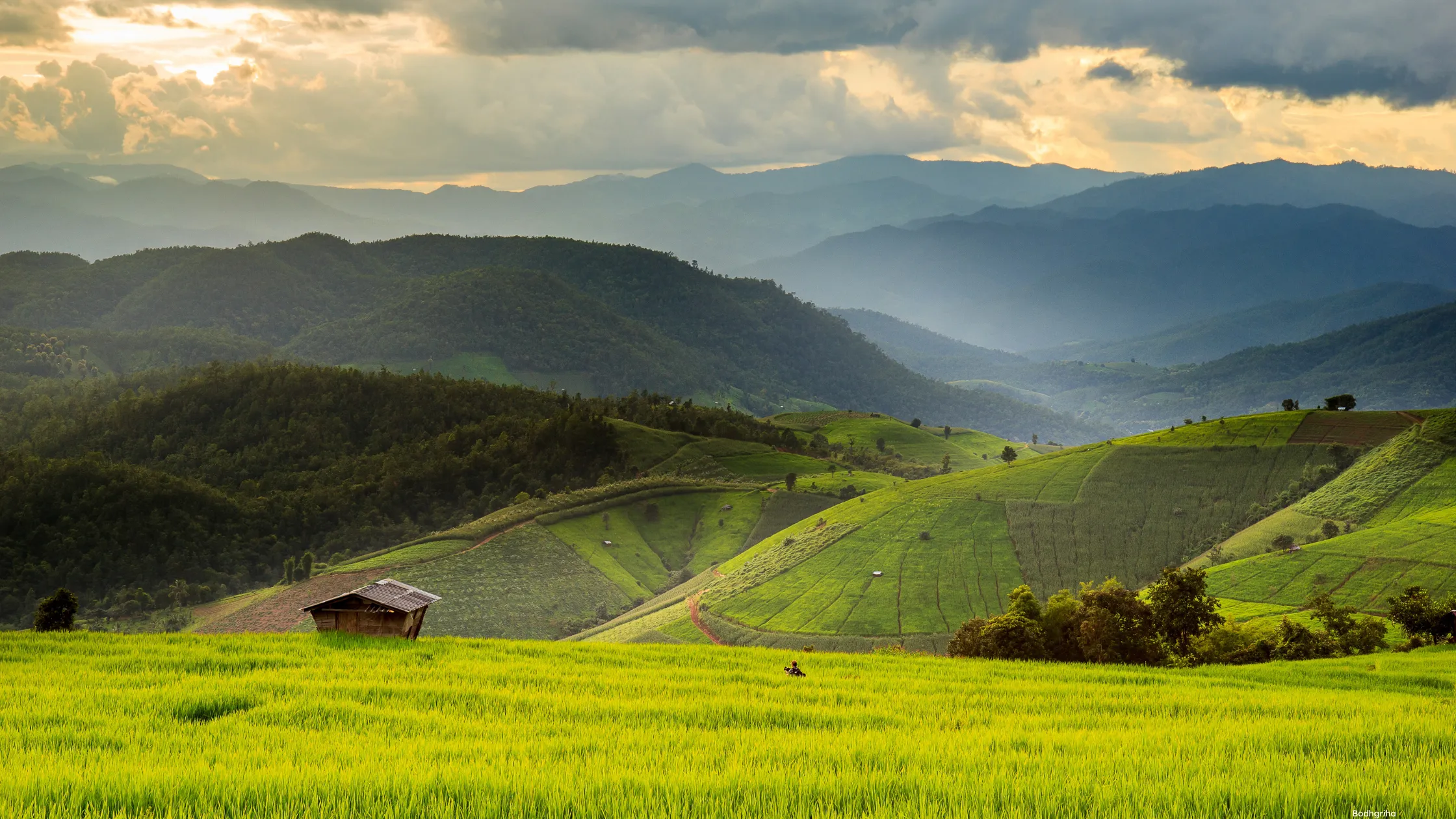 India remains the gold standard for budget-conscious retreat seekers. A week-long retreat in Rishikesh, the yoga capital of the world, ranges from $400–$900, including accommodation and meals. Month-long programs cost $1,200–$2,500. India's spiritual authenticity, combined with low living costs, makes it unbeatable for value. Premium retreats in luxury ashrams run $1,500–$3,000 weekly. Goa, Dharamshala, and Kerala offer similar economics with regional variations...Goa tends toward slightly higher prices due to beach proximity and international tourism infrastructure.
Thailand has emerged as a dynamic retreat destination, particularly around Chiang Mai and the southern islands. A week-long yoga and wellness retreat costs $600–$1,400, with dormitory accommodation at the lower end and private rooms higher. Thailand's strong wellness tourism infrastructure, combined with affordable local costs, creates excellent value. Many Thai retreats integrate meditation, Thai massage, and plant medicine ceremonies, bundling wellness practices in ways Indian retreats traditionally haven't.
Bali, Indonesia offers a sweet spot between affordability and resort-quality amenities. Weekly retreats range from $700–$1,600 depending on accommodation and meal quality. Ubud (the cultural heart) tends to attract yoga-focused programs, while coastal areas like Seminyak cater to luxury seekers. Bali's established retreat ecosystem means abundant choices at every price point, with many retreat centers offering month-long packages at $2,000–$3,500.
Vietnam and Cambodia represent the emerging frontier, with retreats priced 20–30% below Bali. A week costs $500–$1,000. These countries attract adventurous seekers seeking authenticity and lower prices, though the retreat ecosystem remains smaller with fewer established centers.
Latin America: Premium Affordability
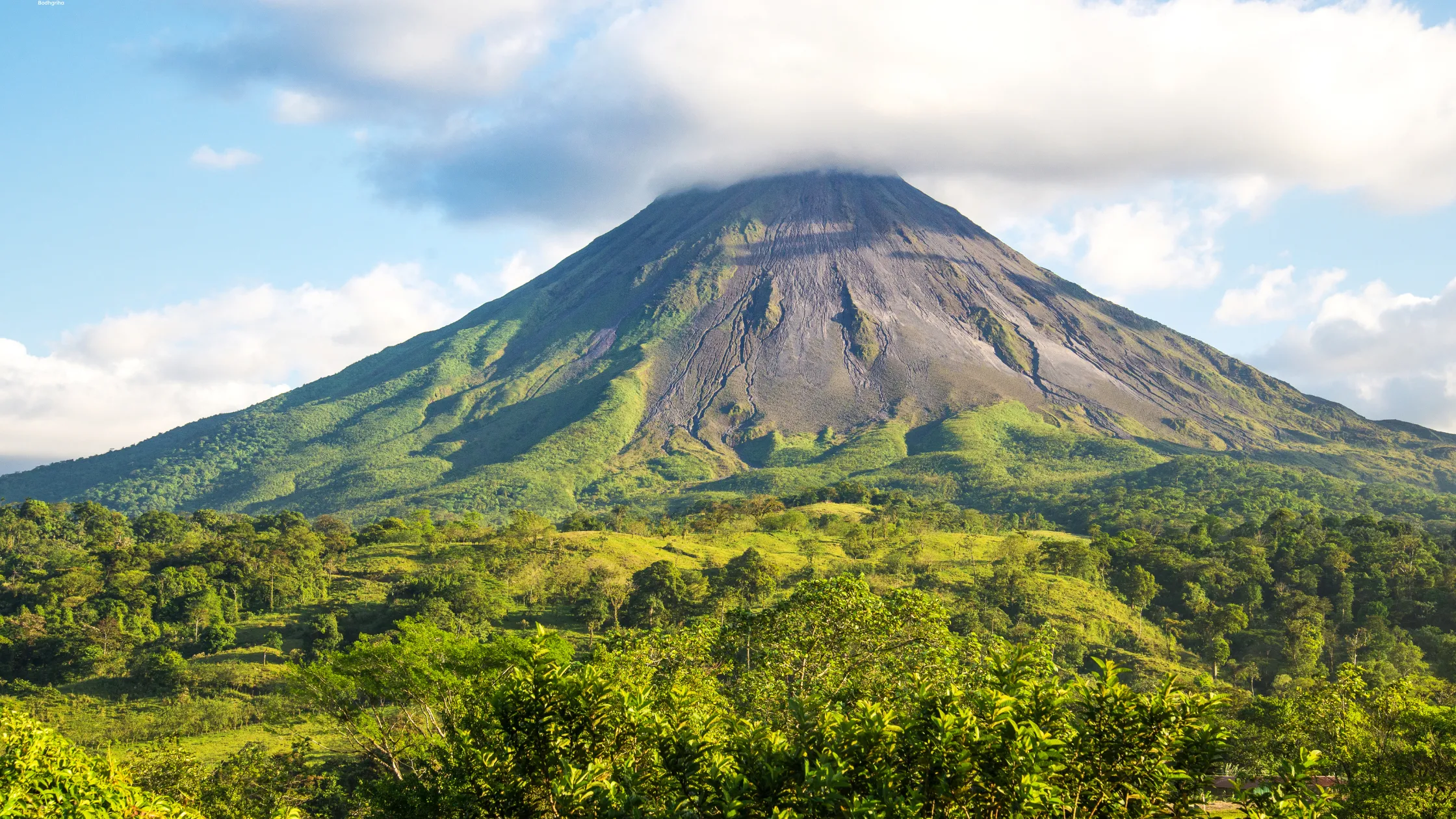 Costa Rica delivers tropical retreat experiences at moderate costs. A week-long retreat in regions like Manuel Antonio or the Central Valley runs $1,000–$2,000. Costa Rica's established wellness tourism sector, combined with Central American living costs, creates accessible luxury. Many retreats emphasize jungle immersion, sustainable practices, and connection with nature...premium experiences without premium Californian price tags.
Mexico has positioned itself as North America's gateway for retreats. Beachfront weekly programs in Tulum or Playa del Carmen cost $900–$1,800, while mountain retreats inland run $700–$1,400. Mexico's proximity to the U.S. and Canada reduces travel costs and attracts North American seekers wanting shorter flights and easier logistics.
Colombia and Peru offer the most affordable Latin American options at $600–$1,200 weekly. Peru specifically attracts those interested in plant medicine ceremonies integrated with yoga practice. These destinations appeal to seekers blending retreat with adventure and cultural exploration.
Europe: Premium Pricing, Premium Experiences
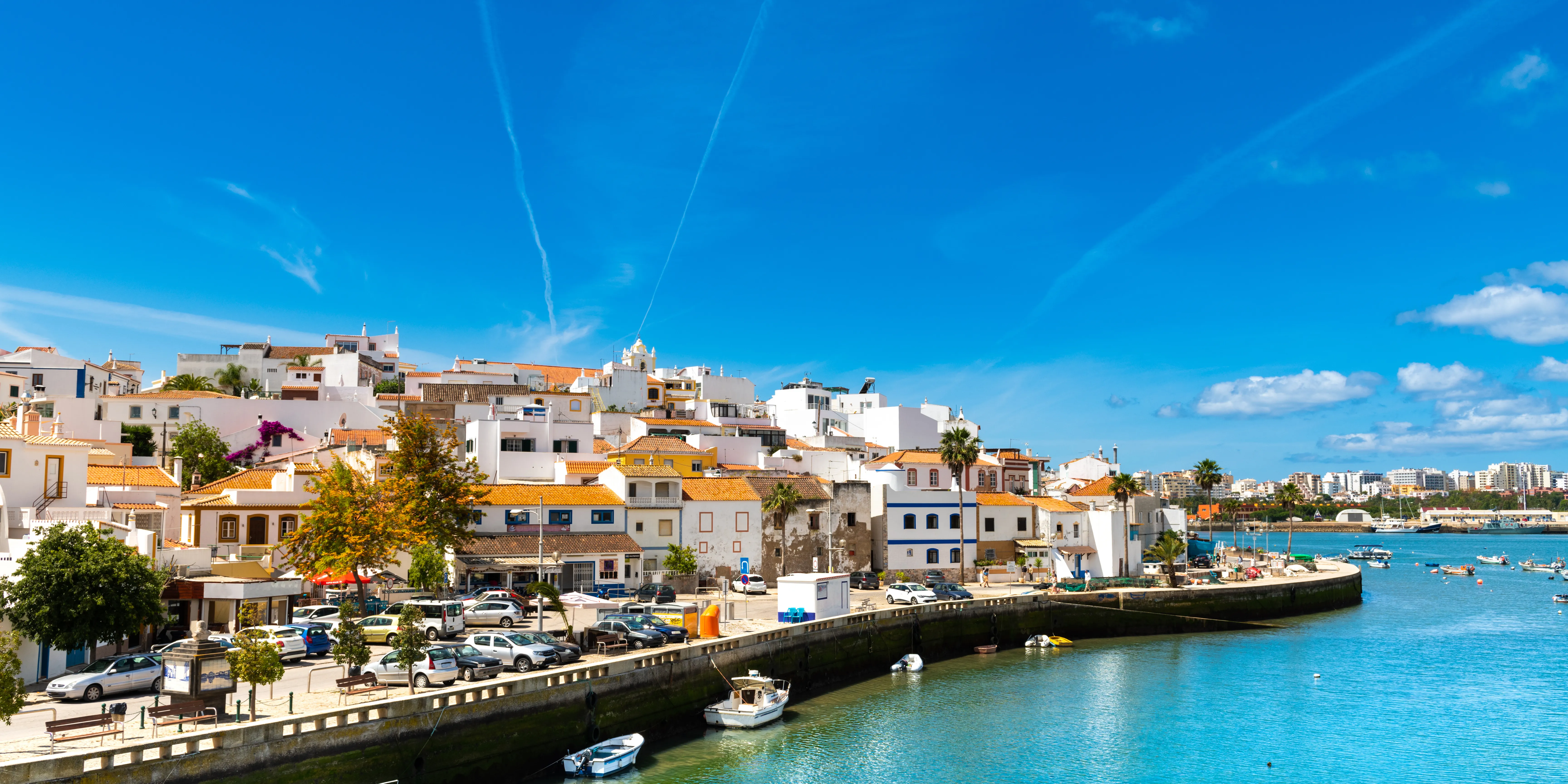 Spain leads European retreat affordability, particularly in Andalusia and Ibiza. A week costs $1,200–$2,000. Spain's yoga culture, Mediterranean climate, and established retreat centers create solid options without the premium pricing of Northern Europe. Many Spanish retreats emphasize dance, music, and embodied practices alongside traditional asana.
Portugal has rapidly developed a reputation for wellness tourism. Weekly retreats in the Algarve or around Lisbon cost $1,100–$2,200. Portugal attracts European seekers wanting shorter flights and has built robust retreat infrastructure around sustainability and eco-conscious practices.
Italy, France, and Greece represent premium European experiences, ranging from $1,600–$3,200 weekly. These destinations appeal to those willing to invest more for cultural immersion...combining yoga practice with wine regions, Mediterranean architecture, and gastronomic experiences. France particularly attracts luxury seekers, with specialized retreats running $2,500–$5,000 weekly.
Eastern Europe (Czech Republic, Hungary, Romania) offers emerging alternatives at $800–$1,400 weekly, attracting budget-conscious Europeans and offering a counter-cultural movement toward authentic spiritual practice over luxury amenities.
North America: Premium Pricing, Premium Choices
 United States dominates retreat pricing. Mountain retreats in Colorado or Arizona cost $1,400–$2,500 weekly, while California beach retreats run $1,800–$3,500. Luxury wellness resorts in Sedona or Scottsdale can exceed $5,000 weekly. The U.S. market emphasizes specialization...yoga for athletes, yoga for grief, luxury wellness retreats...often commanding premium prices. Teacher trainings run $2,500–$6,000+ for month-long programs.
Canada mirrors U.S. pricing with slight variations by region. Mountain retreats near Banff cost $1,500–$2,500, while coastal British Columbia options run $1,600–$2,800 weekly.
Mexico (as noted above) provides the most accessible North American gateway at $700–$1,800 weekly.
Emerging Considerations for 2026
Digital nomad retreats have become increasingly common...blending yoga practice with co-working spaces. These typically cost $1,000–$2,000 weekly, representing a hybrid category between standard retreats and longer-term living arrangements. They appeal to remote workers seeking community alongside practice.
Specialized retreats (yoga and surfing, yoga and rock climbing, yoga and sound healing) command premiums of 20–40% above standard retreats, reflecting additional expertise and activities. Their popularity suggests seekers increasingly value integrated wellness experiences.
Sustainability premiums are emerging, eco-certified retreats with regenerative practices and carbon-neutral operations cost 10–20% more but attract environmentally conscious seekers. This trend is accelerating across regions, particularly in Costa Rica, Bali, and Portugal.
Budget-Conscious Strategies
Attend longer retreats. Monthly programs offer 30–40% per-day discounts compared to short retreats. Investing two weeks or a month dramatically improves value.
Travel off-season. June–August (monsoon season in Asia, off-season in Europe) offers substantial discounts. December–February in tropical locations can also be negotiated, particularly for longer commitments.
Choose dormitory accommodations. The difference between dorm ($40–60/night) and private rooms ($80–150/night) over a 7-day retreat is substantial-$280–630 saved by sharing space.
Participate in work-exchange programs. Many retreat centers offer reduced rates (often 50% discounts) for participants willing to help with kitchen duties, reception, or teaching support during their retreat.
Research independent ashrams. Established ashrams in Rishikesh and other Indian towns often cost 40–50% less than commercial retreat companies, though with less polished amenities.
Finding Your Retreat Home
The true cost of a yoga retreat extends beyond the price tag. Consider the quality of teaching, the retreat center's philosophy, accommodation comfort, food quality, and the intangible value of transformative community. A $600 retreat in Rishikesh with an advanced master teacher might offer deeper value than a $3,000 luxury resort retreat where yoga feels supplementary to the amenities.
In 2026, global retreat options mean you can find authentic transformation at nearly any budget level. Whether you're seeking affordable immersion in India, tropical luxury in Bali, or premium European wellness, the global yoga retreat landscape invites you home...wherever that may be.