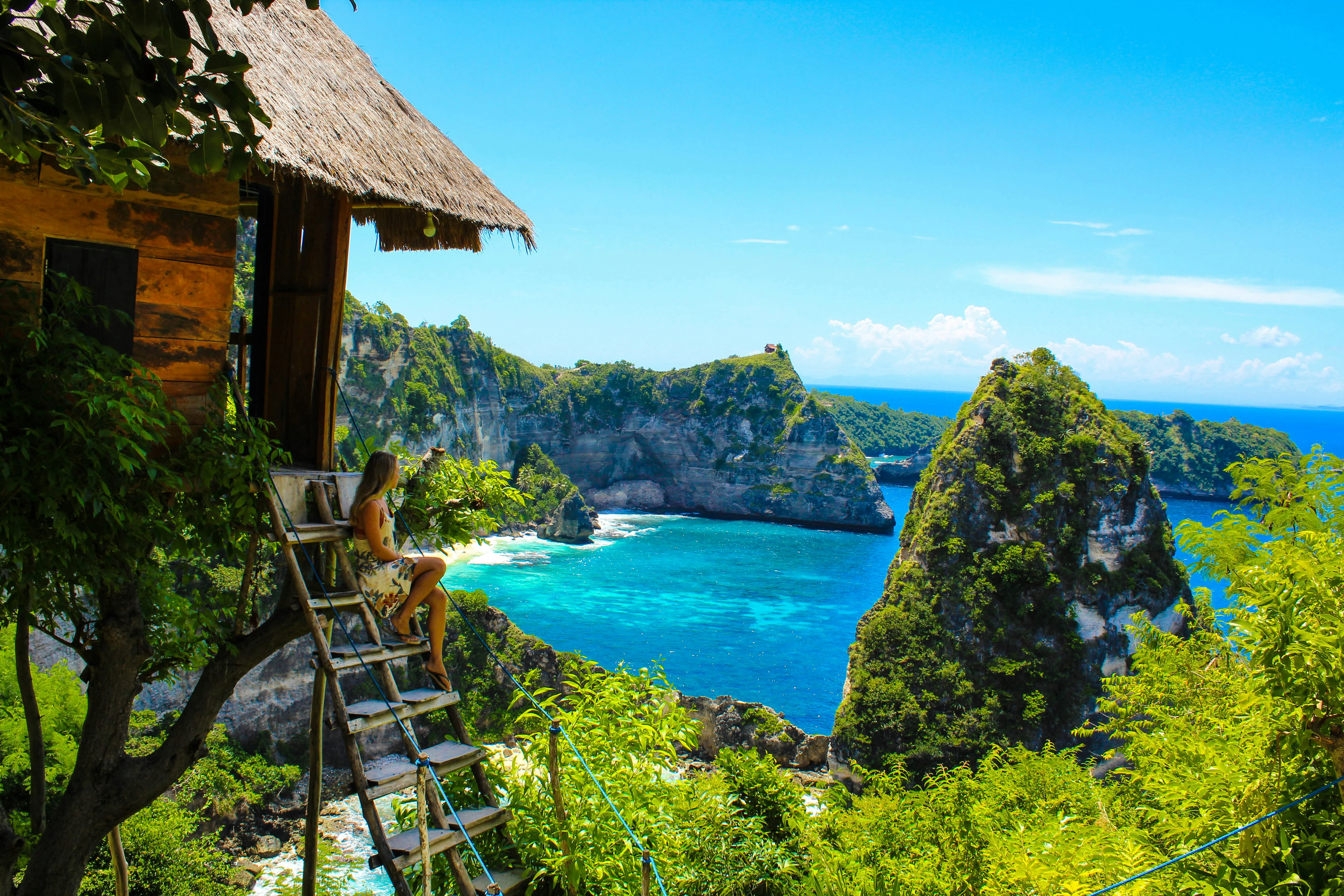
Europe vs Asia Yoga Retreats: Cost & Experience
A warm, practical guide comparing yoga retreats in Europe and Asia ... covering costs, cultural depth, curriculum quality, and how to choose the right destination for where you are in your practice.
There comes a moment on every seeker's journey when the question shifts from whether to go on a yoga retreat to where. And two destinations rise to the top of nearly every conversation: the ancient, mist-draped ashrams of Asia and the sunlit, olive-scented retreat centers of Europe. Both promise transformation. Both deliver something real. But they do so in profoundly different ways and at very different price points.
This guide is for those standing at that crossroads, trying to decide which path calls to them. We'll walk through cost, culture, curriculum depth, and the quieter, harder-to-quantify differences that only reveal themselves once you arrive.
The Price of Practice: What You'll Actually Spend
Let's start with the practical, because it matters. A yoga retreat is an investment ...of time, energy, and money and being clear-eyed about costs helps you choose wisely rather than just cheaply.
Asia: High Depth, Lower Cost
Asia ... particularly India, Nepal, Bali, and Thailand, remains the most affordable destination for serious yoga study. A two-week residential program at a reputable school in Rishikesh or Mysore will typically run between $500–$1,800 USD, including accommodation and meals. Bali and Thailand sit at a slightly higher price point ($800–$2,500) due to tourism infrastructure, but are still dramatically cheaper than European equivalents.
| Destination | Typical 2-Week Cost (All-In) | Teaching Style |
|---|---|---|
| Rishikesh, India | $500 – $1,500 | Traditional, lineage-based |
| Mysore, India | $600 – $1,800 | Ashtanga-focused, rigorous |
| Ubud, Bali | $900 – $2,500 | Eclectic, wellness-integrated |
| Chiang Mai, Thailand | $800 – $2,200 | Varied; strong meditation options |
| Portugal / Spain | $1,500 – $3,500 | Contemporary, curated |
| Greece / Italy | $2,000 – $5,000+ | Luxury-leaning, lifestyle-oriented |
Flight costs, of course, shift the equation. From North America or Australia, reaching Bali or India can add $700–$1,400. From Europe, the flight to Ibiza or the Algarve is under $100. Factor this in honestly.
The Cultural Dimension: Source vs. Synthesis
This is where the two destinations diverge most meaningfully and where your personal intention for the retreat becomes the deciding factor.
Asia: Practicing Where the Roots Run Deep
Yoga did not emerge in a studio. It emerged in a living tradition ... passed from teacher to student across generations, embedded in philosophy, ritual, and a way of seeing the world. To practice in India is, at its best, to step into that continuum.
In Rishikesh, the Ganges hums below the ashram terrace. Morning practice begins before sunrise with chanting. Teachers speak of the yamas and niyamas not as historical footnotes but as daily instructions. Meals are taken in silence. The lifestyle around you ... the pilgrims, the chai stalls, the temple bells, reinforces the inward turn that yoga invites.
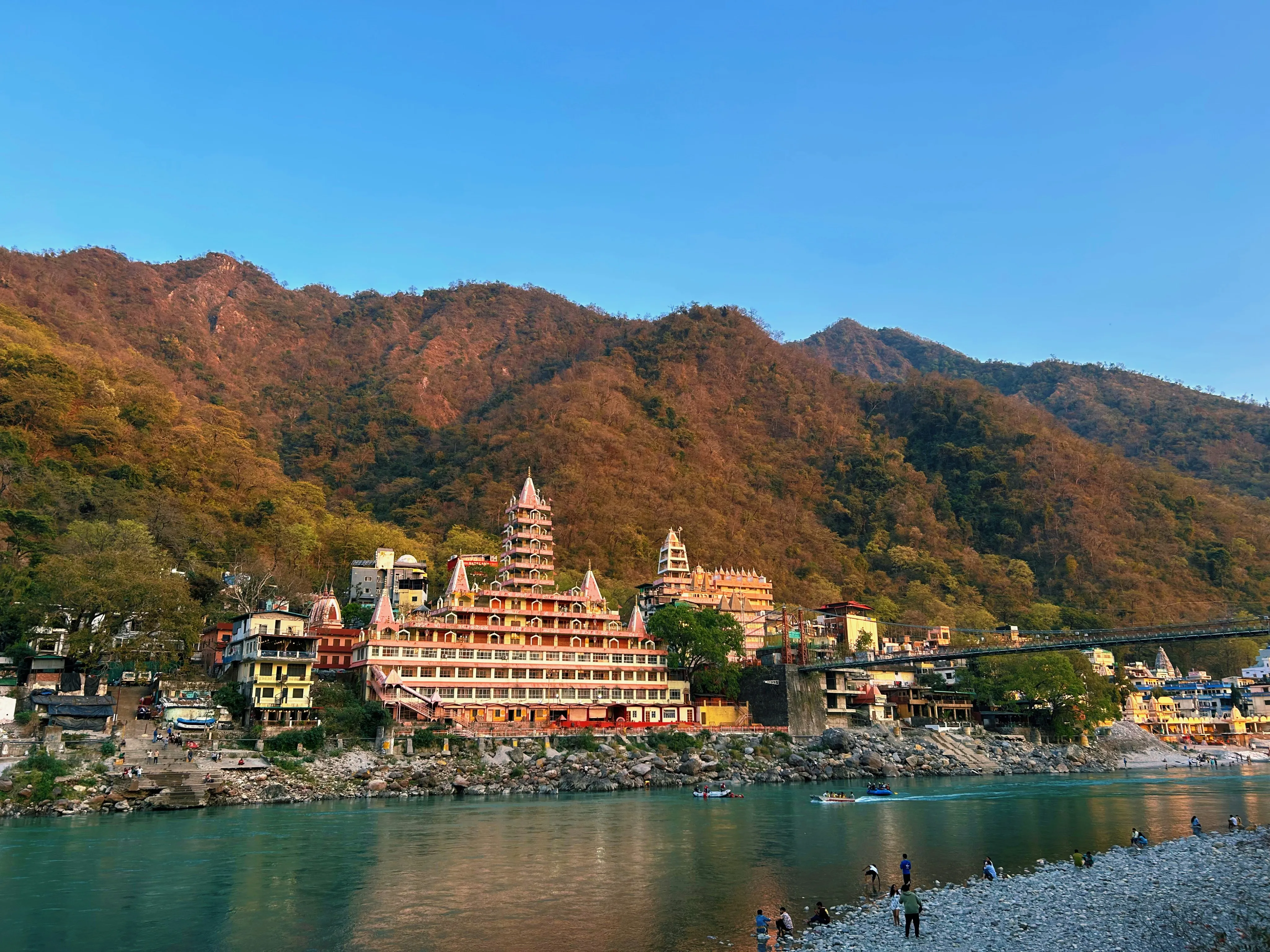
"India does not teach you yoga. India is yoga. You absorb it through the walls, the food, the air." — A student reflecting after six weeks in Mysore
Nepal offers a similar depth, particularly for those drawn to meditation and Buddhist-influenced practices. Bali sits in its own spiritual category, a living Hindu culture where ceremony, offering, and sacred practice weave through daily life in ways that can profoundly deepen a retreat experience.
This is not to romanticize. Traveling in Asia requires flexibility, patience, and an openness to discomfort. Facilities may be basic. Heat, humidity, food adjustments, and jet lag are real factors. The most powerful experiences often come paired with the most challenging conditions.
 Europe: Comfort, Craft, and Contemporary Depth
European yoga retreats have matured considerably in the past decade. What was once a thin offering, a long weekend of gentle stretching at a wellness hotel ... has grown into a genuinely sophisticated scene.
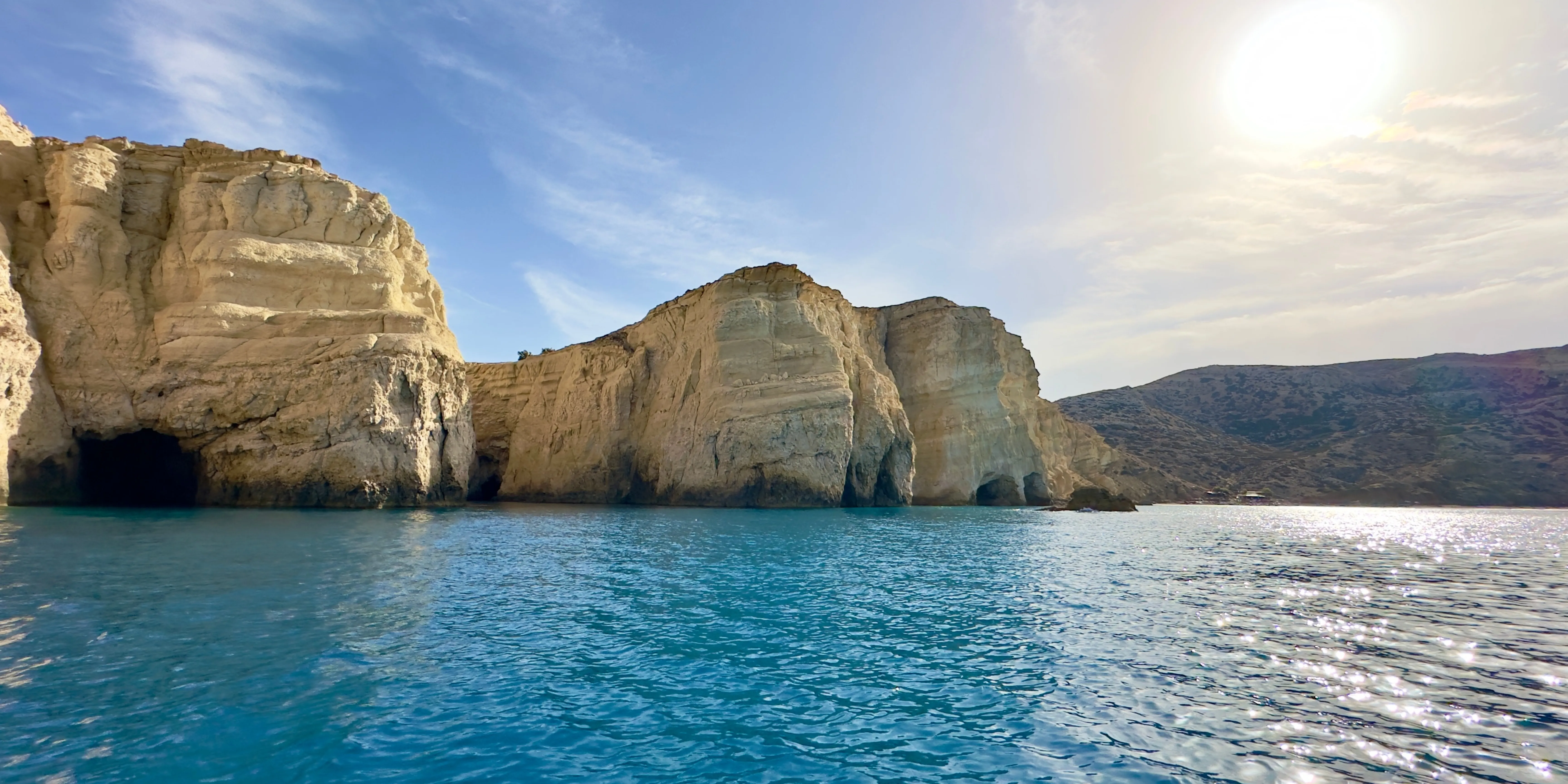 Portugal's Alentejo region, the Spanish Pyrenees, the Greek islands, and the Italian countryside now host retreat centers led by teachers who have spent years studying in Asia and returned to offer that knowledge in a setting that is logistically gentle and aesthetically beautiful.
The instruction quality at the best European centers is genuinely excellent. You may find teachers trained in the Iyengar tradition, certified Ashtanga practitioners, or somatic movement facilitators with decades of experience. What you are less likely to find is the spontaneous, unscripted wisdom that comes from a teacher embedded in the tradition's living culture.
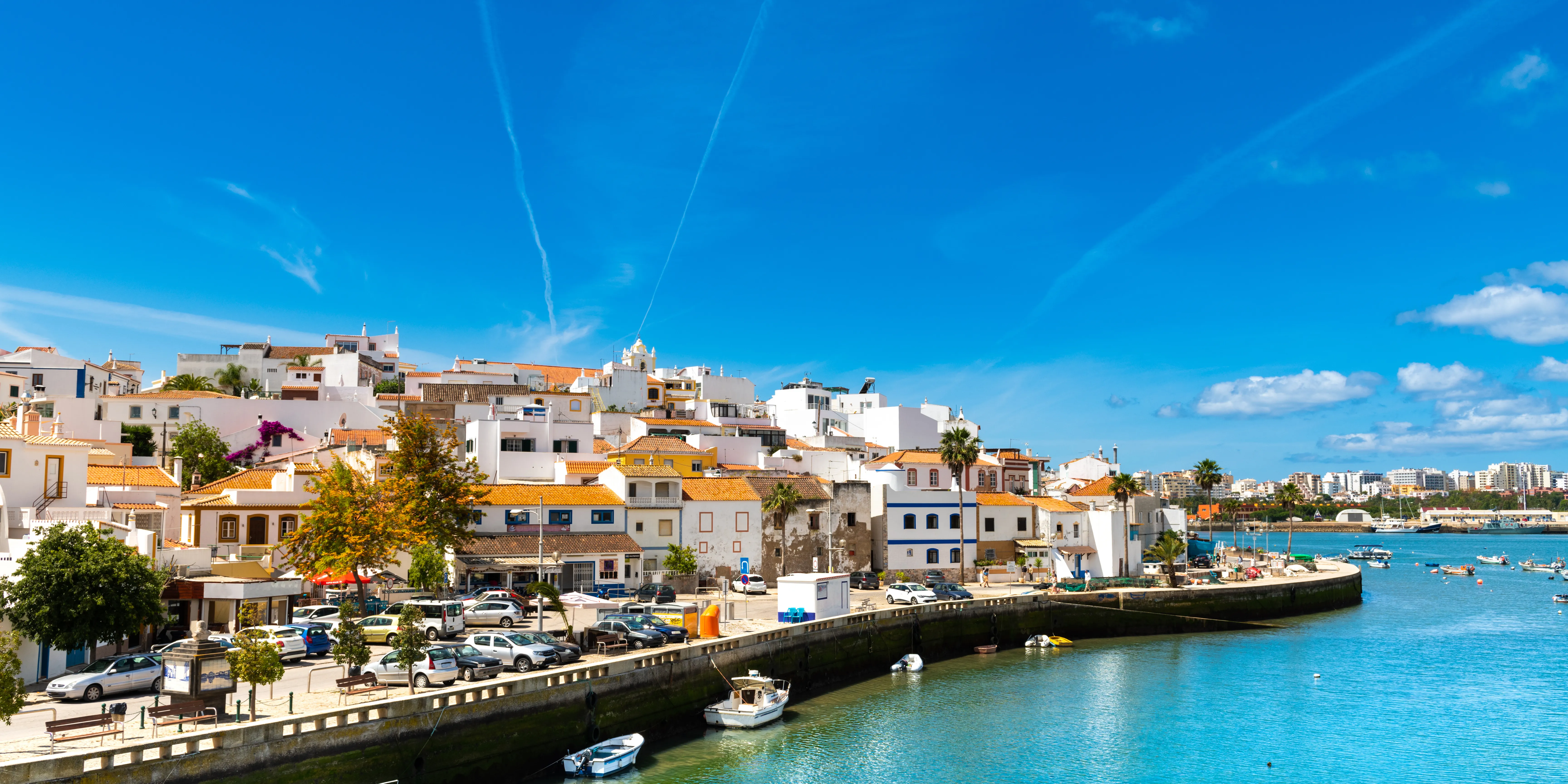 European retreats also pair yoga with things Asia rarely offers in the same space: natural wine at dinner, open-water swimming, farmhouse architecture, and a particular quality of late-afternoon light that feels like its own kind of medicine.
Curriculum Depth: What Are You Going There to Learn?
Your answer to this question will do more to guide your choice than any budget spreadsheet.
If you want to study a specific lineage seriously— Ashtanga, Iyengar, Sivananda, Kundalini in its classical form- Asia offers proximity to the source schools and teachers who trained directly within those traditions. Mysore for Ashtanga. Pune for Iyengar. Rishikesh for Sivananda. These are not just locations; they are living universities.
If you want a holistic wellness reset — yoga as one ingredient among many, alongside breathwork, Ayurvedic treatments, sound healing, or plant-based cooking ... both continents serve this well. Bali and European centers have both built excellent integrated wellness offerings.
If you want to train as a teacher (YTT) — Asia remains the go-to for value and volume. A 200-hour Yoga Teacher Training in Rishikesh costs $900–$1,500 all-inclusive. The same certification in Portugal or Greece runs $2,500–$4,500. Both can be excellent; the price gap is simply significant.
The Intangible Differences
Some things resist being put into a table.
There is a particular kind of disorientation that long-haul travel to Asia produces, a loosening of the familiar...that can itself become part of the practice. Being far from home, in a culture that operates on different rhythms and assumptions, has a way of dissolving habitual patterns faster than any yoga pose. This is uncomfortable. It is also often exactly what transformation requires.
European retreats offer a different gift: integration without overwhelm. The familiar comforts, good coffee, familiar food, reliable WiFi when you need it, mean that the insights arising in practice don't have to compete with logistical stress. For some practitioners, this is exactly what allows them to go deeper.
Making the Choice: A Simple Framework
Rather than prescribing an answer, here is a set of honest questions to guide your reflection:
- Budget after flights: Under $1,500 total? Asia is your friend. $2,000–$4,000? Both are viable. Higher? Europe's premium centers shine.
- Travel experience: First long-haul solo trip? Europe offers a gentler landing. Seasoned traveler? Asia's complexity becomes part of the gift.
- Primary intention: Lineage study and philosophical immersion? Asia. Wellness reset with beautiful surroundings and good food? Either, with Europe edging ahead on comfort.
- Time available: Under 10 days? Europe minimizes travel fatigue. 2–4 weeks? Asia justifies the journey time.
- Physical needs: Dietary restrictions, health conditions, or limited heat tolerance? European centers offer more predictable infrastructure.
Closing thoughts
Both Asia and Europe have the capacity to change you, not because of where they are, but because of the quality of attention they invite. A week of genuine practice in a Portuguese farmhouse can shift something fundamental. So can a month in an Indian ashram. What differs is the texture of the journey, the nature of the challenges, and the kind of beauty that surrounds you as you move through it.
The wisest retreat choice is simply the one you will actually go on. The one that fits your life as it is right now ... not as you imagine it might be someday.
Bodhgriha exists to help you find that place, wherever in the world it may be. Browse our curated listings, read the honest reviews, and let your intuition lead.
Your practice is already calling. The only question is which direction you'll face when you answer.