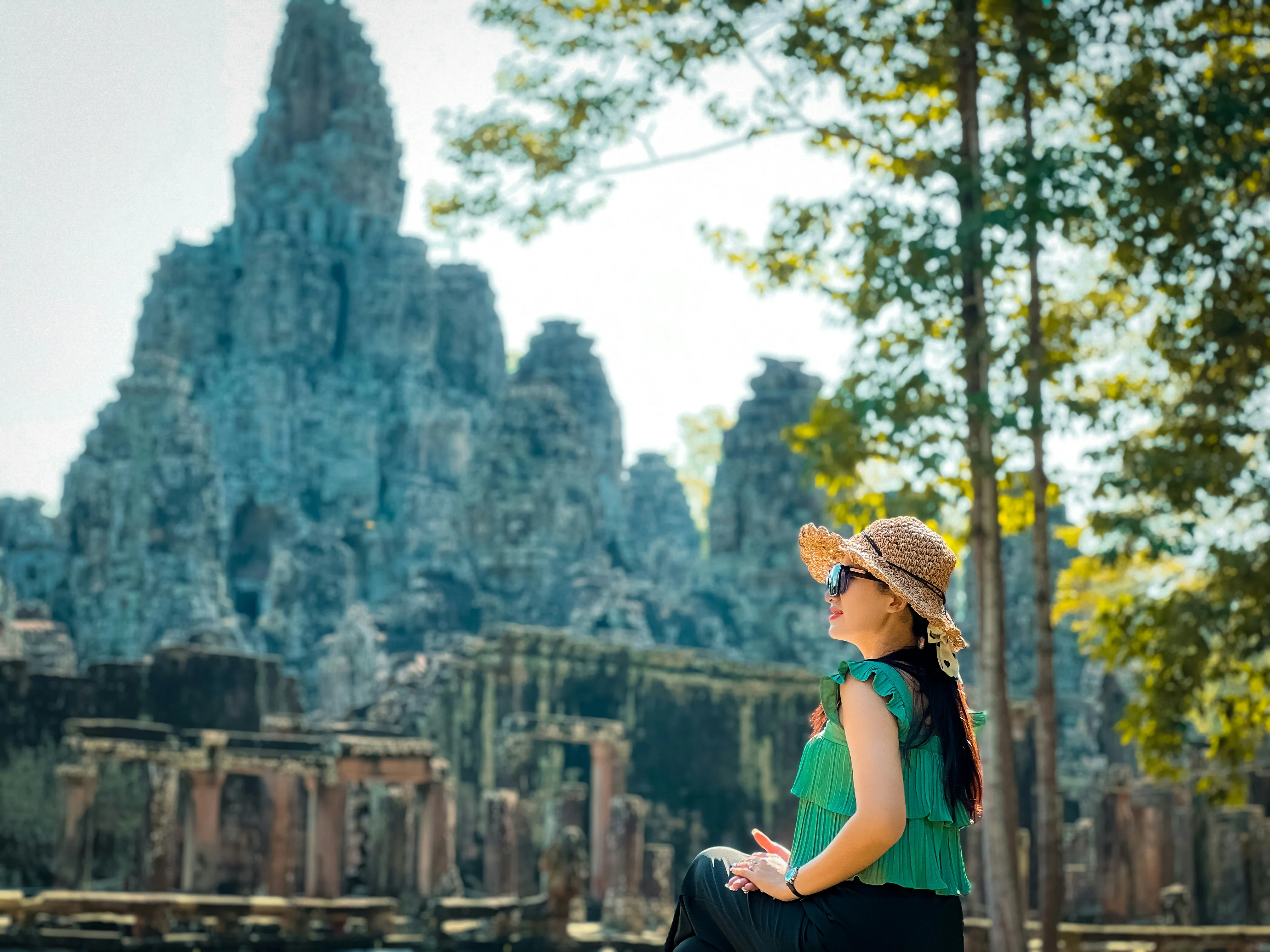
Complete Asia Travel Guide: 8 Essential Tips Before You Go
Discover essential Asia travel tips for first-time travelers, including budgeting, safety, transport, street food, cultural etiquette, packing advice, and smart travel hacks across Southeast and East Asia.
Asia is calling...the temples, the beaches, the mountains, the wellness retreats, the spiritual practices that have shaped human consciousness for millennia. But before you board that plane, there are practical realities that will determine whether your trip becomes a transformative experience or a logistical nightmare. This guide covers everything you need to know to travel through Asia safely, respectfully, and with genuine ease.
1. Visa Rules: Know Before You Go
One of the first things travelers overlook is visa requirements and it's one of the most important. Different Asian countries have vastly different visa policies, and getting this wrong can mean being turned away at the airport.

Start by checking the visa requirements for each country you plan to visit at least 2-3 months before your trip. Many countries offer visa-on-arrival, e-visas, or visa-free entry for certain nationalities, but processing times vary. Thailand, Vietnam, and Indonesia often offer e-visas that can be processed online within days. India requires advance planning, tourist visas typically take 4-6 weeks.
Beyond visa rules, secure travel insurance before you leave. This isn't optional, it's essential. Travel insurance covers medical emergencies, flight cancellations, lost baggage, and evacuation. Many travel clinics also require proof of travel insurance before administering vaccines required for certain Asian destinations.
Create a digital backup of all important documents: passport photos, visa confirmations, travel insurance documents, and emergency contact numbers. Store these in cloud storage accessible from anywhere. Keep physical copies in your bag separate from your original documents.
Pro tip: Register with your embassy or consulate before traveling. Many countries offer this service free, and it means officials can reach you in emergencies.
2. Cash: The Universal Language
Despite the rise of digital payments, cash remains king in much of Asia. Many small businesses, temples, markets, street food vendors, and rural areas operate entirely on cash. ATMs aren't always available where you need them, and card payments sometimes fail at critical moments.
Cash basics:
Always carry cash in the local currency of each country you're visiting. Exchange money at your bank before traveling or at official exchange counters (not street dealers). ATMs in Asia are generally reliable but charge fees, so withdrawing larger amounts less frequently is more economical.
Keep your cash divided: some in your wallet, some in your hotel safe, some in a money belt or hidden pocket. This way, if your wallet is stolen, you're not completely without funds. Many travelers find a money belt worn under clothing invaluable.
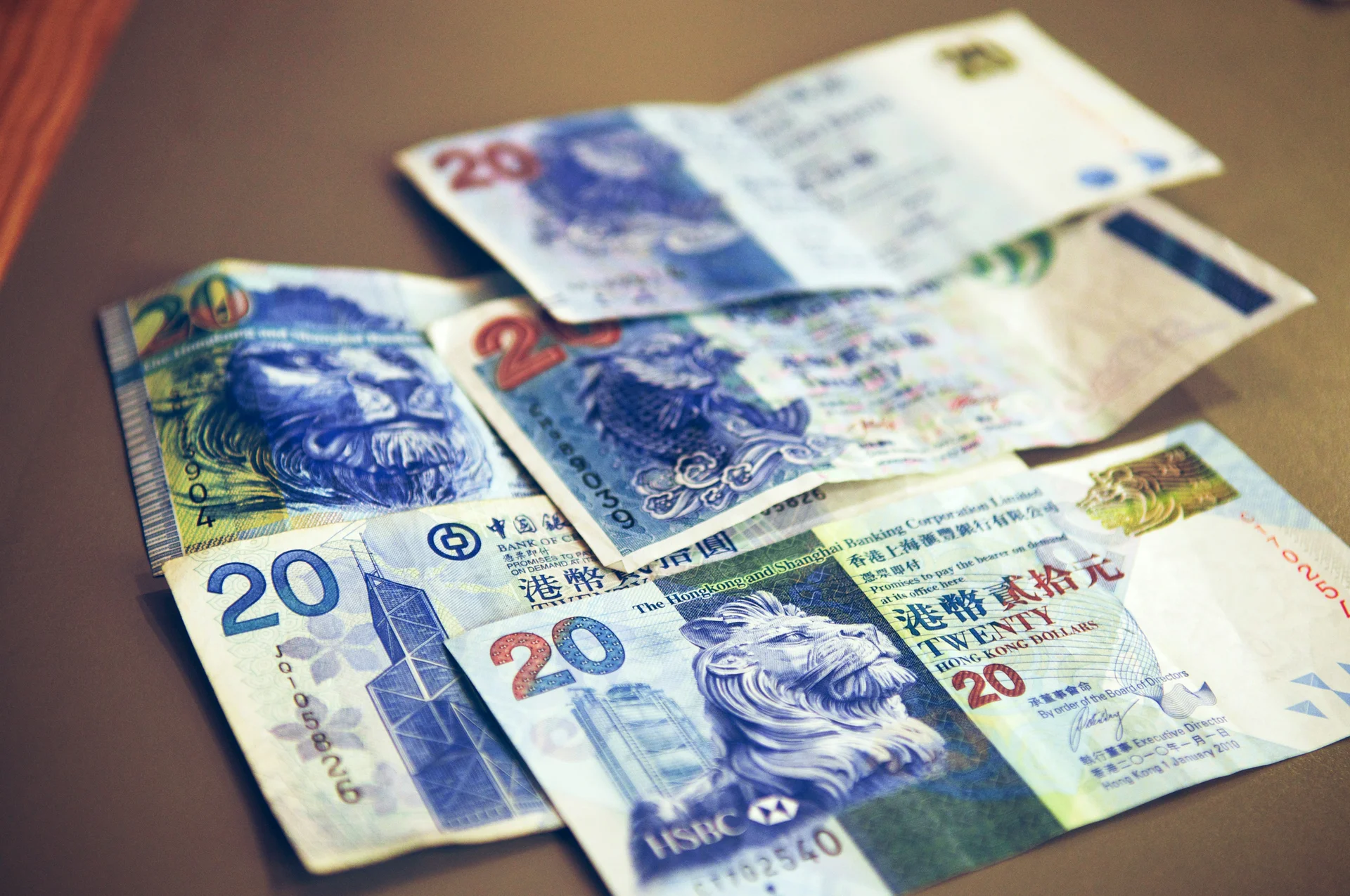
The important reality: mid-range hotels, restaurants, and experiences are surprisingly affordable in Asia. A quality hotel that would cost $150-200 in the West might be $40-60 here. Local food is even cheaper. This affordability allows you to spend more on meaningful experiences, longer retreat stays, better guides, more immersive activities, without financial strain.
Street smart tip: Many places prefer exact change. Carry small bills and coins to avoid overpaying. Vendors often claim not to have change to keep the difference.
3. E-Sim: Stay Connected Without Breaking the Bank
Being disconnected in a foreign country creates stress and limits your ability to navigate, translate, and handle emergencies. International roaming is expensive. E-sims (digital SIM cards) solve this problem elegantly.
How E-sims work:
Airalo is the most popular e-sim provider for Asia travelers. Before you travel, purchase an Asia-wide or country-specific e-sim, and install it on your phone (you need a compatible device, most newer phones support it). Activation takes minutes, and you have data immediately upon arrival without visiting a local SIM shop.
Airalo pricing is reasonable: a 50GB plan for Thailand costs around $10-15, compared to $10+ per day with international roaming. You control your data usage and can reload as needed.

Download offline maps of every city you'll visit using Google Maps. This is non-negotiable. Even with e-sim data, maps load faster offline, consume less data, and work when connectivity drops. Mark your hotel, key locations, and restaurants on the maps before you arrive.
Translation apps are also essential. Google Translate's camera feature lets you photograph signs and menus for instant translation. Offline translation packs can be downloaded for major Asian languages, reducing reliance on data.
Connectivity tip: Local SIM cards are still an option if you're staying longer than 2-3 weeks. You can buy them at airport convenience stores, and staff will help with setup. Prices are very low, often just $5-10 for a card with included credit.
4. Transport: Getting Around Safely and Sustainably
Transportation in Asia ranges from excellent public systems to chaotic local options. How you move through a place shapes your experience entirely.
Options and wisdom:
In major cities, use apps like Grab (Southeast Asia's Uber equivalent) and Bolt. These provide transparent pricing, safety features (shared trip tracking), and eliminate the guesswork of negotiating taxis. Drivers are typically professional, and the app payment system removes language barriers.
If you must use traditional taxis, always negotiate the fare before entering. Prices in Asia are incredibly cheap, a 15-minute taxi ride should cost $2-5. If a quoted price seems high, it probably is. Having your destination written in the local language on your phone helps clarify where you're going.
Trains are exceptional in Asia-particularly in Japan, Thailand, and India. Overnight trains offer unique experiences, save on hotel costs, and provide genuine leisure time to rest and read. Long-distance trains through scenic landscapes (like Thailand's northern routes or India's Rajasthan lines) are transformative rather than mere transportation.
For within-city travel, use public transit. Buses and metros are cheap, used by locals (authentic experience), and generally safe. Google Maps provides real-time transit directions in most Asian cities, follow them.
Safety principle: Avoid traveling alone late at night, especially in unfamiliar areas. Book transportation in advance when possible. Stay aware but not paranoid...millions of travelers navigate Asia daily without incident.
5. Hotels: Choosing Accommodation Wisely
Where you sleep shapes your entire experience. A poor hotel choice can undermine an otherwise wonderful trip.
Selection criteria:
Check area safety. Read reviews specifically mentioning neighborhood safety. Some apps like Google Maps show neighborhood crime maps. For first nights in a new city, book a hotel in a central, well-traveled area even if it costs more. Once oriented, you can move to quieter neighborhoods.
Read reviews thoroughly, not just the rating, but the actual text. Pay attention to recent reviews (last month) rather than reviews from years ago. Note patterns: if multiple recent reviews mention loud noise, the area is likely noisy. If reviews mention friendly staff, that's usually reliable.
Mid-range hotels in Asia feel luxurious. A $50-70 per night hotel in Thailand, Vietnam, or India often includes amenities that would cost $200+ in Western countries: pools, spas, quality furnishings, helpful staff. This means you can afford meaningful comfort without excess expense.
Book hotels with good breakfast included, this saves time and money and often provides cultural food experiences. Many boutique hotels in Asia serve exceptional traditional breakfasts.
Consider staying near wellness centers, yoga studios, or meditation spaces if these are part of your trip intention. Some hotels are specifically designed around wellness philosophy and naturally support restful stays.
6. Packing: Pack Smart for Tropical Asia
Packing mistakes can cause genuine discomfort in Asia's heat and humidity. But overpacking is equally problematic...you'll carry weight around temples and through markets.
Clothing essentials:
Lightweight, breathable fabrics are non-negotiable. Cotton and linen are ideal, they dry quickly and breathe in humidity. Synthetics trap heat and moisture. Avoid denim entirely. Pack 5-7 lightweight shirts/tops and 2-3 lightweight pants or skirts. Asia's heat means you'll wash clothes frequently, so you need less volume.
Pack one modest outfit for temples. Many Asian temples require covered shoulders and knees. Women should have lightweight pants or a long skirt and a shirt with sleeves. Men need long pants and a shirt. These can be cheap locally bought garments, you don't need to bring full outfits from home.
Rain and sun protection are essential. Asia's monsoon seasons are unpredictable. A lightweight, packable rain jacket serves as both rain protection and a layer for over-air-conditioned spaces. Sunscreen is expensive in Asia, bring it from home. A wide-brimmed hat and sunglasses are non-negotiable. The sun here is intense, and sunburns can ruin trips.
Bring comfortable walking shoes (break them in at home first) and sandals for quick changes. Many places require removing shoes, so sandals save time.

Pack light medications: anti-diarrheal, antacid, pain reliever, antihistamine, and motion sickness medication. These are expensive or unavailable where needed locally.
Packing psychology: Pack 50% of what you think you need. You'll adapt, and lighter luggage means more freedom. Laundry services are cheap and reliable...use them instead of carrying massive amounts of clothing.
7. Street Food: Eat Fearlessly, Eat Wisely
Street food is where authentic Asian cuisine lives. The best meals often cost $1-3 from street vendors. But food safety requires attention.
Street food wisdom:
Watch food being cooked in front of you. This accomplishes two things: you see ingredient quality and heat kills pathogens. Avoid pre-prepared food sitting on shelves. Choose busy stalls where food is cooked fresh, high turnover means fresh ingredients.
Avoid unclean water. This includes ice in drinks, water in salads, and even cooking water from questionable sources. Stick to bottled water or drinks from sealed bottles. Ask for drinks without ice. Cooked foods are generally safe because cooking kills pathogens.

Eat the food everyone eats. Follow locals. If a street stall has a line of Thai people eating there at 6 AM, it's legitimate and safe. Tourist areas have more food safety issues than local neighborhoods. Venture away from the tourist zones.
Street food is often the most hygienic food available because of the speed of preparation and quality of fresh ingredients. Restaurant food, especially in tourist areas, sometimes sits longer and has more opportunity for contamination.
8. Culture: Travel with Respect and Awareness
Asia's spiritual and cultural richness is precisely why people travel there. Respecting local culture isn't a constraint...it's the gateway to deeper experiences.
Cultural awareness:
Respect religious symbols. In Buddhist temples, Buddha images are sacred...never touch them, never disrespect them, never pose inappropriately with them. The same applies to religious statues and symbols in Hindu, Muslim, and Sikh spaces. Photography may be restricted, always ask before photographing in sacred spaces.
Remove shoes where required. Most temples, homes, and some restaurants require shoe removal. Many temples have attendants who remind visitors, but respecting this rule before being asked shows genuine respect. Carry socks if your feet are sensitive, many temples have cold floors.
Ask permission before photographing people. A simple gesture (pointing at your camera with a questioning expression) usually gets an answer. Many people are happy to be photographed, but always ask. This small gesture of respect opens conversations and experiences.

- Dressing modestly in religious areas and conservative communities (covering shoulders and knees minimum)
- Not pointing at people or objects (use an open hand gesture instead)
- Learning a few phrases in the local language—"thank you," "hello," "please"—shows respect
- Never touching people on the head (culturally offensive in many Asian cultures)
- Using right hand for eating or giving/receiving items (left hand is considered unclean in some cultures)
The deeper practice: When you approach travel as a student of culture rather than a consumer of experiences, everything shifts. You move slower, you listen more, you connect genuinely. This is the difference between visiting Asia and understanding Asia.
Travel as Wellness
The practical details matter because they create the foundation for genuine wellness travel. When you have your visa sorted, you're carrying enough cash, you have reliable transportation, you're staying in a comfortable hotel, you've packed appropriately, you're eating food that nourishes rather than harms you, and you're moving through spaces with respect, only then can you truly relax into the deeper purposes of travel.
Asia offers something the Western world desperately needs: time. Slower rhythms. Different ways of being. Spiritual practices tested across centuries. Natural beauty that quiets the mind. But you can only access this if the logistics don't consume your attention.
Use these eight principles as your foundation. Then let yourself truly arrive. Sit longer in temples. Take the slow train. Eat street food at dawn. Spend time in silence. Talk to locals. Let the pace of Asia reshape your understanding of what matters.
The best part of traveling through Asia isn't checking off a list...it's the unexpected conversations, the unplanned detours, the moments of genuine peace that come from being present in a place that values presence.