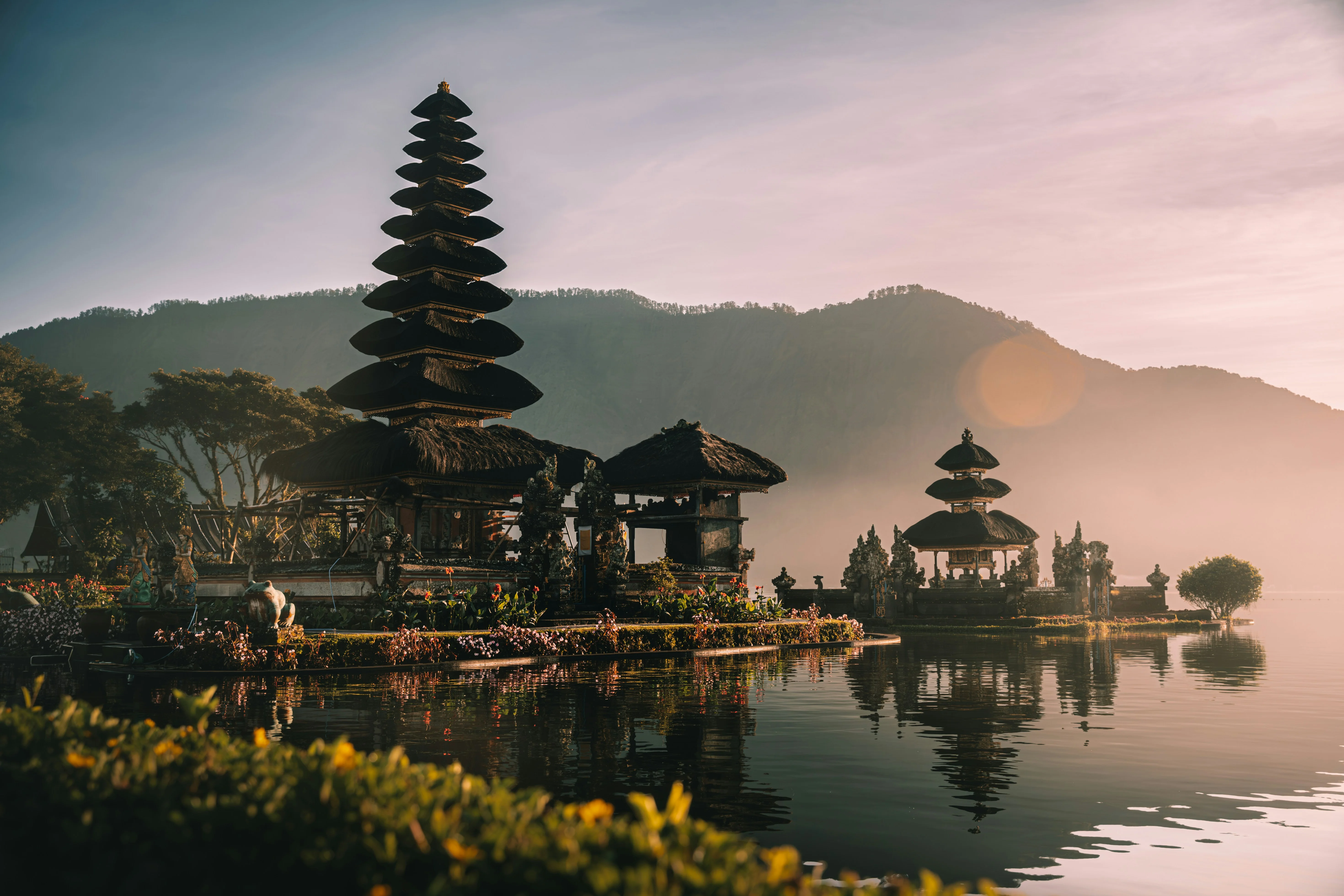
Bali Solo Travel: Everything First-Timers Need to Know
Comprehensive Bali solo travel guide for first-timers. Learn visa requirements, budgeting, safety, accommodation, activities, and how to confidently travel alone in Bali.
There's a particular kind of fear that comes with planning your first solo trip. The questions swirl: Will I be safe? Can I handle logistics alone? What if I get lonely? What if I make mistakes? These fears are real, and they're normal. But here's what thousands of first-time solo travelers have discovered: Bali is one of the world's most forgiving, welcoming, and transformative places to take the leap into solo travel. If you're considering a solo trip to Bali, this guide will answer your questions, ease your fears, and help you plan a journey that changes your life.
Why Bali Is Perfect for First-Time Solo Travelers
Bali has become the destination for first-time solo travelers for excellent reasons. The island combines accessibility, affordability, safety, natural beauty, and a robust infrastructure of wellness and spirituality that supports travelers of all levels.
Accessibility: Bali is easy to navigate. English is widely spoken in tourist areas. Transportation is affordable and reliable. Accommodation ranges from luxury to budget-friendly. You don't need advanced travel skills to move around Bali...you can figure things out as you go.
Affordability: Your money stretches further in Bali than almost anywhere else in the world. A comfortable mid-range hotel costs $30-50 per night. Excellent meals cost $2-5. Spa treatments that would cost $100+ in the West cost $10-20. This affordability removes financial stress and allows you to stay longer or experience more.
Safety: Bali is generally safe for solo travelers, particularly in established tourist areas. Balinese people are famously warm and welcoming. Violent crime against tourists is rare. Like any destination, common sense applies (avoid valuables, don't accept drinks from strangers, stay aware), but you can move through Bali with genuine ease.
Community: Bali attracts solo travelers from around the world. You'll find coworking spaces, yoga studios, cafes, and hostels designed for people traveling alone. Meeting other travelers happens naturally and frequently. Loneliness, while possible, is easily avoided if you want company.
Transformation: There's something about Bali that shifts people. The spiritual energy, the natural beauty, the culture of wellness, the slower pace of life...all of these combine to create conditions for genuine transformation. Many first-time solo travelers report that a trip to Bali fundamentally changed how they see themselves and their possibilities.

Practical Planning: The Essentials
Visa & Entry Requirements
Most Western nationalities receive a 30-day visa on arrival (VOA) or visa-free entry. Check your specific country's requirements, but most travelers simply arrive and handle visas at the airport. The process is straightforward, though occasionally slow. Budget $25-35 for the visa and plan for 15-30 minutes in the visa line.
A passport valid for 6+ months is required. Travel insurance is strongly recommended, particularly for longer stays. Many adventures (motorcycling, water sports) are only safe with proper insurance.
When to Go
- Best time: April-May and September-October offer ideal weather...warm, less rain, fewer crowds.
- Peak season: July-August is crowded and prices are higher, but the weather is reliably dry.
- Rainy season: November-March has frequent rain but also fewer tourists and lower prices. The rain usually comes in short bursts, not all-day downpours.
- Consider: If this is your first solo trip, avoid peak season (too crowded to feel like adventure) but perhaps avoid rainy season (logistics become more complex with weather). April-May or September-October offer the sweet spot.
Budget Expectations
1.Daily budget:
- Budget traveler: $25-35/day (hostels, street food, minimal activities)
- Mid-range: $50-75/day (comfortable hotels, good meals, some activities)
- Comfortable: $100+/day (nice accommodations, excellent food, frequent activities, spa treatments)
2.Total trip cost for 2 weeks:
- Budget: $350-490
- Mid-range: $700-1050
- Comfortable: $1400+
These costs don't include flights. The beauty is that you can afford to stay longer, which actually deepens the experience more than a rushed short trip.
Getting Around
- Within Bali: Scooter rental is cheapest ($5-8/day) but requires confidence driving in chaotic traffic. Grab (Uber equivalent) is safer and still cheap ($2-5 per ride). Organized tours handle transportation for you. Most first-timers use a combination: Grab for daily transport, organized tours for adventures, occasional scooter rental.
- From airport: Arrange pickup through your hotel or use Grab. Costs $15-25 from airport to main tourist areas. Never accept unmarked taxis.
Where to Stay: Choosing Your Base
Bali is larger and more diverse than most first-timers realize. Different areas attract different travelers.
Ubud: Cultural, artistic, spiritual center. Best for those seeking wellness retreats, yoga, meditation, cultural immersion. More peaceful than beach areas. Great community of spiritual seekers. Slightly more expensive than beach towns.
Canggu: Young, social, digital nomad hub. Coworking spaces, cafes, nightlife, beaches. Perfect for those wanting to meet other travelers and balance socializing with solo time. More developed tourist infrastructure.
Seminyak: Beach town, upscale, good restaurants and bars, social scene. More touristy than Canggu. Pricier but beautiful.
Kuta/Sanur: Budget beach towns. Good for surfing and beach time. Younger backpacker crowds. Noisier, more party-focused.
Lovina: Quiet beach town in north Bali. Peaceful, less touristy. Good for those seeking calm. Fewer solo travelers means less built-in community.
Recommendation for first-timers: Start in Ubud (1 week) for spiritual grounding, then Canggu (1 week) for community and beach time. This combination gives you both transformation and connection.

Accommodation Options
Hostels: $8-15/night. Built-in social community, common areas for meeting people, organized activities. Perfect for combating loneliness. Quality varies widely; read recent reviews carefully.
Guesthouses/Budget Hotels: $20-40/night. More private than hostels, often family-run, authentic experiences. Less built-in social community but genuine warmth.
Mid-range hotels: $40-80/night. Comfort, good locations, often pools. Your own space with hotel amenities.
Airbnb/Villas: $30-100+/night. Private space, sometimes kitchen access (saves money on meals), authentic neighborhoods. Less social than hostels unless you choose shared spaces.
Recommendation: Start in a hostel or social guesthouse. Even if you eventually prefer privacy, the first week benefits from built-in community and the easiness of meeting people.

Experiences & Activities Worth Your Time
Yoga and Wellness: Ubud has hundreds of yoga studios. Daily classes are affordable ($5-10). Many include a community of regular practitioners. This alone is worth the trip.
Hiking & Nature: Sunrise hike to Mount Batur, rice terraces walks, waterfall hikes. Beautiful, challenging, and often done in groups where you'll meet other travelers.
Temples: Tanah Lot, Besakih, Ubud's many small temples. Spiritually profound, culturally enriching, deeply moving. Dress respectfully (sarongs provided).
Spa & Massage: Balinese massage, reflexology, herbal baths. Legitimately transformative and shockingly affordable. One of Bali's greatest gifts.
Cooking Classes: Learn to make traditional Balinese dishes. Social, fun, practical, delicious. Perfect solo activity that connects you with instructors and other students.
Surfing: Canggu and Uluwatu have excellent beaches. Take group lessons where you'll meet other travelers.
Volunteering: Work with animals, environmental projects, or community initiatives. Meaningful, connects you with other volunteers, gives back.
Spiritual Practices: Energy healings, traditional ceremonies, meditation retreats. Profound experiences unique to Bali.
Important: Don't overplan. The best experiences in Bali are often unplanned...conversations with locals, unexpected friendships, spontaneous detours. Leave space in your itinerary for wandering.
Safety for Solo Travelers
Bali is safe, but sensible precautions apply:
Stay aware: Don't flash expensive jewelry, cameras, or large amounts of cash. Keep valuables in your hotel safe. Avoid walking alone late at night in unfamiliar areas.
Trust your gut: If a situation feels off, leave. There's no obligation to be polite at the expense of safety.
Stay connected: Share your location with trusted friends/family. Have your hotel's address in writing. Keep phone charged. Use offline maps.
Avoid overindulgence: Alcohol impairs judgment. Drugs are illegal in Indonesia with severe penalties. Stay sharp.
Use reliable transport: Grab is safer than unmarked taxis. Organized tours handle logistics for you.
Respect local culture: Dress respectfully at temples. Understand local customs. Respect means safety.
Reality check: Thousands of solo travelers visit Bali monthly. Serious incidents are rare. Most fears prove unfounded.

Budget Tips for Extending Your Trip
Eat where locals eat: Street food and local warungs (small restaurants) are cheap and authentic. Tourist restaurants are 3-5x more expensive for similar quality.
Stay longer in fewer places: Moving hotels frequently costs money and time. Staying 2+ weeks in one area is cheaper and deeper.
Walk and explore: Many of Bali's best experiences are free...rice fields, temples you can visit, beaches, hiking, meeting locals.
Negotiate: For longer accommodations (1+ weeks), negotiate weekly rates. Many places offer 20-30% discounts.
Skip expensive tours sometimes: Hire a local driver for $30-40/day to customize your own adventures instead of $50-80 group tours.
Use local transport: Grab is cheap. Avoid tourist shuttles.
Cook occasionally: If your accommodation has a kitchen, buy from markets and prepare simple meals. Markets are affordable and fun to explore.

Overcoming Solo Travel Fears
"I'll be lonely": Bali makes friendship easy. Hostels, yoga studios, coworking spaces, tours-all facilitate meeting people. You'll likely struggle to have alone time if you don't want it.
"I won't know what to do": Bali is extremely walkable and exploration-friendly. Tourist information is everywhere. You can figure things out. This is part of the adventure.
"Something will go wrong": Yes, small things probably will. Your flight might be delayed. You might get food poisoning. You might miss a train. These are normal travel experiences, not disasters. You'll handle them. You're more capable than you think.
"I'll make mistakes": You definitely will. And you'll learn from them and become more confident. Mistakes are the point of solo travel.
"I'm not brave enough": Bravery isn't the absence of fear. It's doing things despite fear. By choosing to go, you're already brave.
Real talk: The discomfort of solo travel is exactly what makes it transformative. You grow in the spaces where you're slightly uncomfortable. This is the whole point.

Sample First-Trip Itinerary (2 Weeks)
Days 1-3: Ubud (Arrival & Grounding)
- Arrive, rest, explore Ubud town
- Take yoga class at local studio
- Visit local temples and rice fields
- Find your rhythm
Days 4-7: Ubud (Deepening)
- Join a meditation retreat or yoga teacher training
- Take a cooking class
- Hike Mount Batur at sunrise
- Explore Ubud's arts scene and local culture
Days 8-10: Ubud to Canggu (Transition)
- Day trip back to Ubud from Canggu if you love it
- Settle into Canggu
- Find coworking space or cafe community
- Hit the beach
Days 11-14: Canggu (Community & Beach)
- Surfing lessons
- Beach time and relaxation
- Social activities and meeting other travelers
- Spa days and wellness
- Organize day trip to nearby temples or rice fields
Day 15: Buffer day for travel, rest, or last-minute experiences
This balance gives you spiritual grounding, physical challenges, social connection, and beach relaxation.
Before You Go: Final Preparation
Mindset: Go with openness, curiosity, and willingness to be uncomfortable. The resistance you feel is exactly the growth you need.
Packing: Light luggage (carry-on only), comfortable walking shoes, modest clothing for temples, sunscreen, basic medications, phone charger.
Connection: Let trusted people know your itinerary. Share your location. But don't live for daily updates...this is your time.
Expectations: Let go of needing everything to be perfect or Instagram-worthy. The best moments are often messy, unplanned, and beautiful in unexpected ways.
Embrace the Unknown: You don't need to have everything figured out. Bali rewards those who show up with open hearts and flexible plans.
The Transformation Waiting for You
First-time solo travel to Bali isn't just a vacation. It's a crucible where you discover who you actually are when you step away from your normal life, your routines, your identity. You'll likely return home with:
- Genuine confidence that you can handle challenges
- Friendships with people from around the world
- A deeper understanding of your own values and desires
- Physical and mental health improvements from yoga, nature, and rest
- Spiritual insights from exposure to different practices and beliefs
- The knowledge that your life is actually changeable...you're not locked into one way of living
These changes last. They ripple through your life long after you return home.
Your first solo trip is waiting. The fear is normal. The hesitation makes sense. But on the other side of that fear is one of the most rewarding experiences of your life.
Bali is ready for you. Are you ready for Bali?