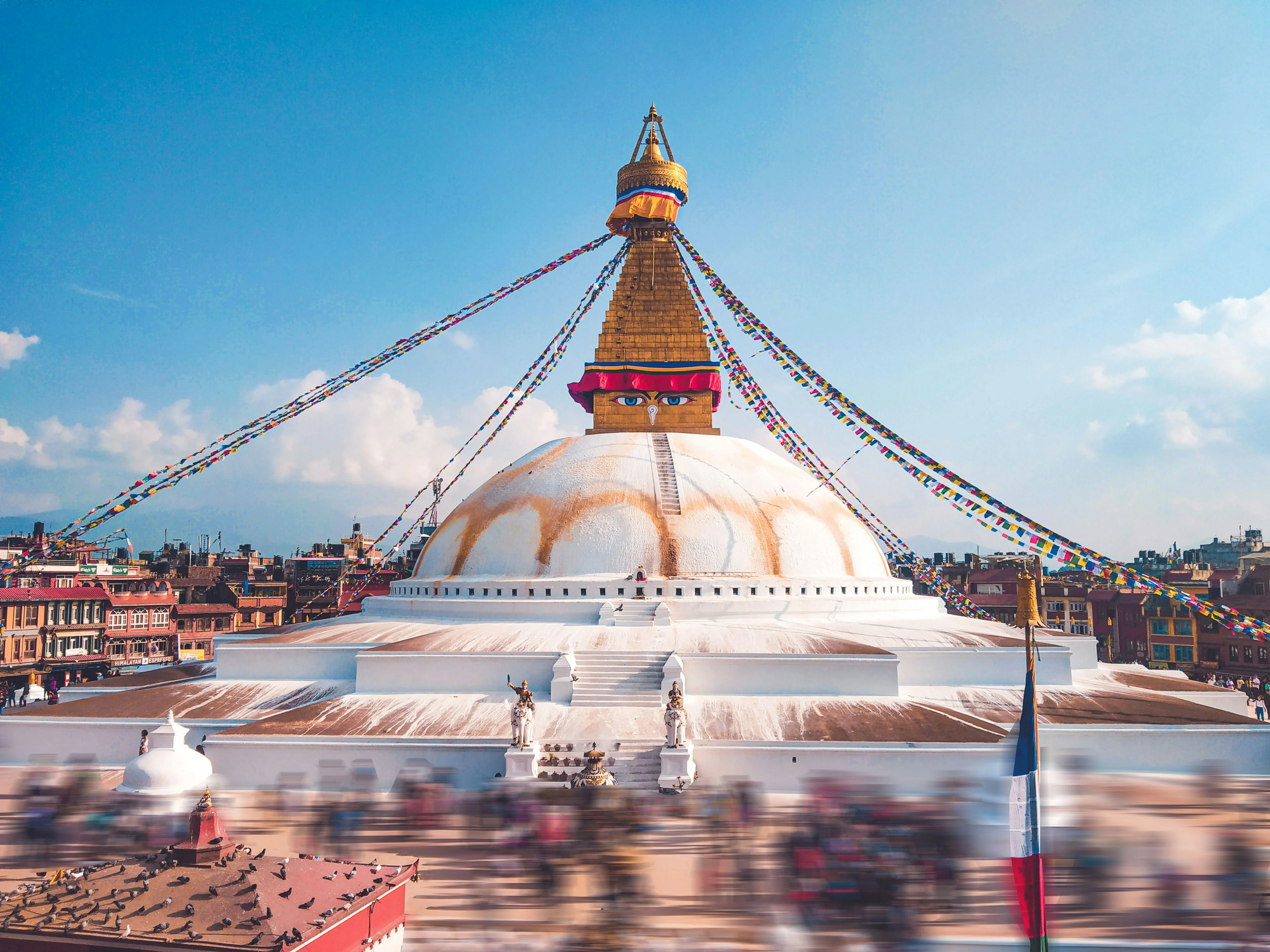
destination
10 Days in Nepal: A Kathmandu to Pokhara Journey
A 10-day journey through Nepal's most sacred and serene destinations, from ancient temples in Kathmandu and sunrise views from Nagarkot to the tranquil lakes of Pokhara. Perfect for travelers seeking meaning alongside adventure.
Bodhgriha Institute
Nepal holds a particular magic for travelers seeking meaning alongside adventure. From the labyrinthine streets of Kathmandu to the serene lakeside temples of Pokhara, this small nation cradles centuries of spiritual practice, breathtaking landscapes, and a warmth in its people that transforms a simple trip into a pilgrimage. This 10-day itinerary weaves together Nepal's most sacred sites, its most stirring natural beauty, and the quieter moments in between, the kind that stay with you long after you've returned home.
The Flow of the Journey
Nepal rewards a slower pace. Rather than rushing from one attraction to another, this itinerary invites you to settle into each place, to observe how light changes on the mountains at different hours, to sit in temples and feel the weight of prayer that has accumulated there over centuries. You'll move from the chaotic energy of Kathmandu's old city to the tranquil shores of Phewa Lake, with detours into mist-covered valleys and ancient trading routes.
Days 1–3: Kathmandu - The City of Temples
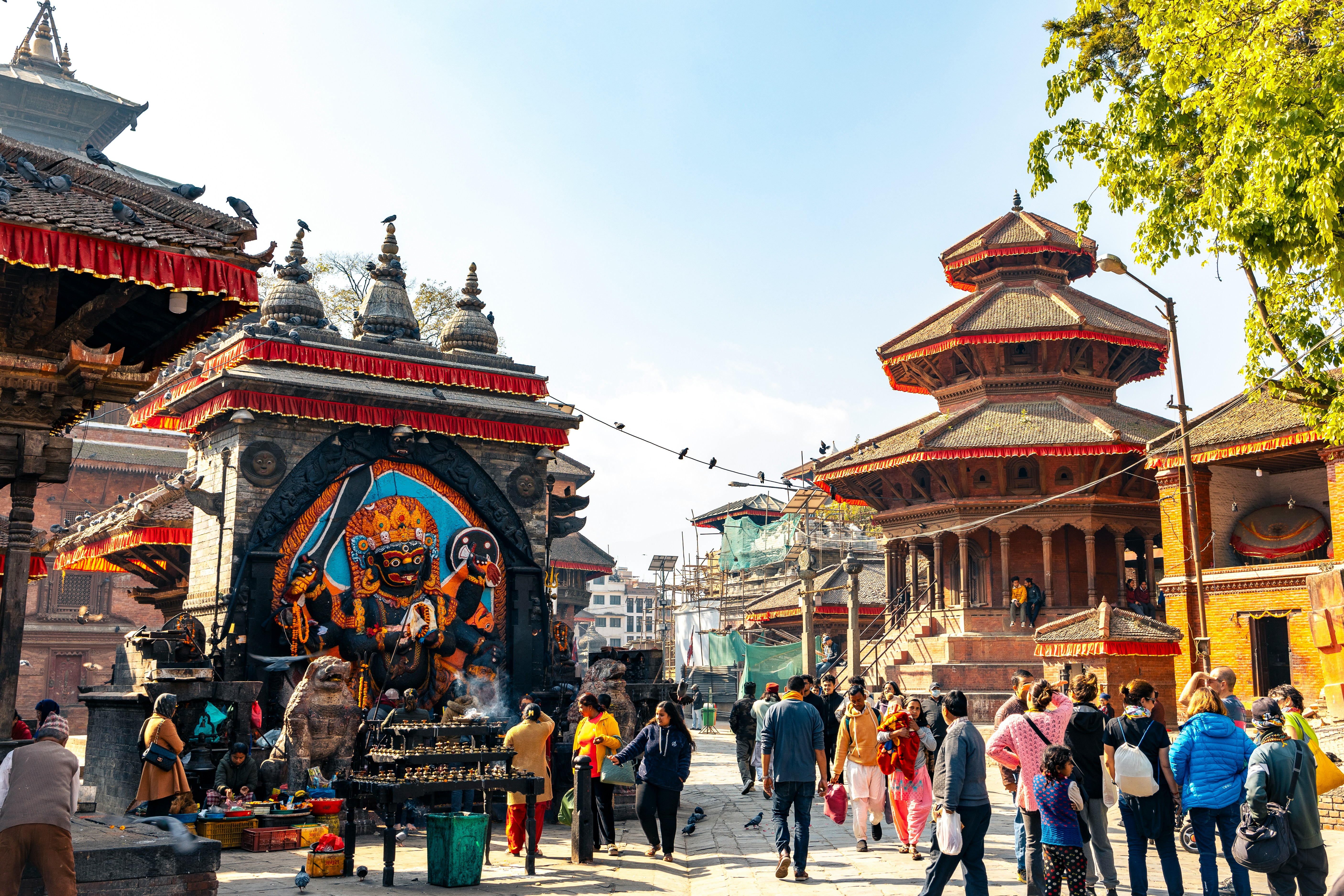
Arrive in Kathmandu and let yourself move slowly on your first day. The altitude is modest at 1,300 meters, but the sensory intensity of the city can be overwhelming. Settle into your accommodation in Thamel or Patan, rest, drink water, and take an evening walk through quiet side streets as the light turns golden and incense smoke curls from window shrines.
Day 1: Arrival & Local Exploration
Your first day is about arrival, not conquest. Wander the neighborhood around your lodging. Visit a local dal bhat shop and eat what locals eat. The humble comfort of lentils, rice, and seasonal vegetables is its own kind of meditation. If you have energy in the late afternoon, walk to the nearest stupa or temple and sit for a while. Let your body adjust to this new altitude and rhythm.
Day 2: Durbar Square, Swayambhunath & Pashupatinath
This is your big temple day. Begin at Kathmandu Durbar Square, where the geometry of ancient palaces and courtyards frames the Himalayas in the distance. The square is both overwhelming and intimate, UNESCO-protected, alive with pilgrims, locals, and the constant soft bell-ringing of ritual.
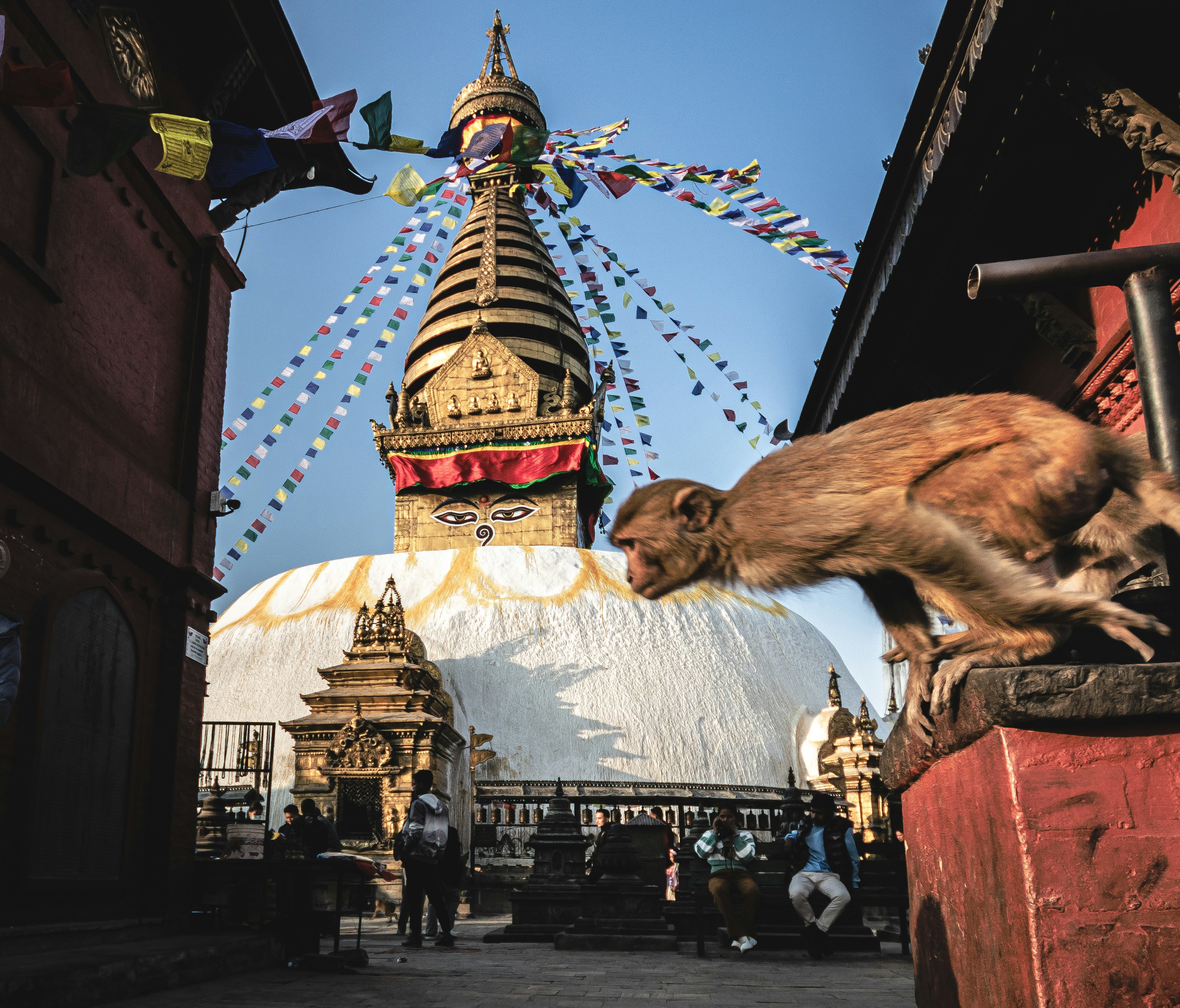
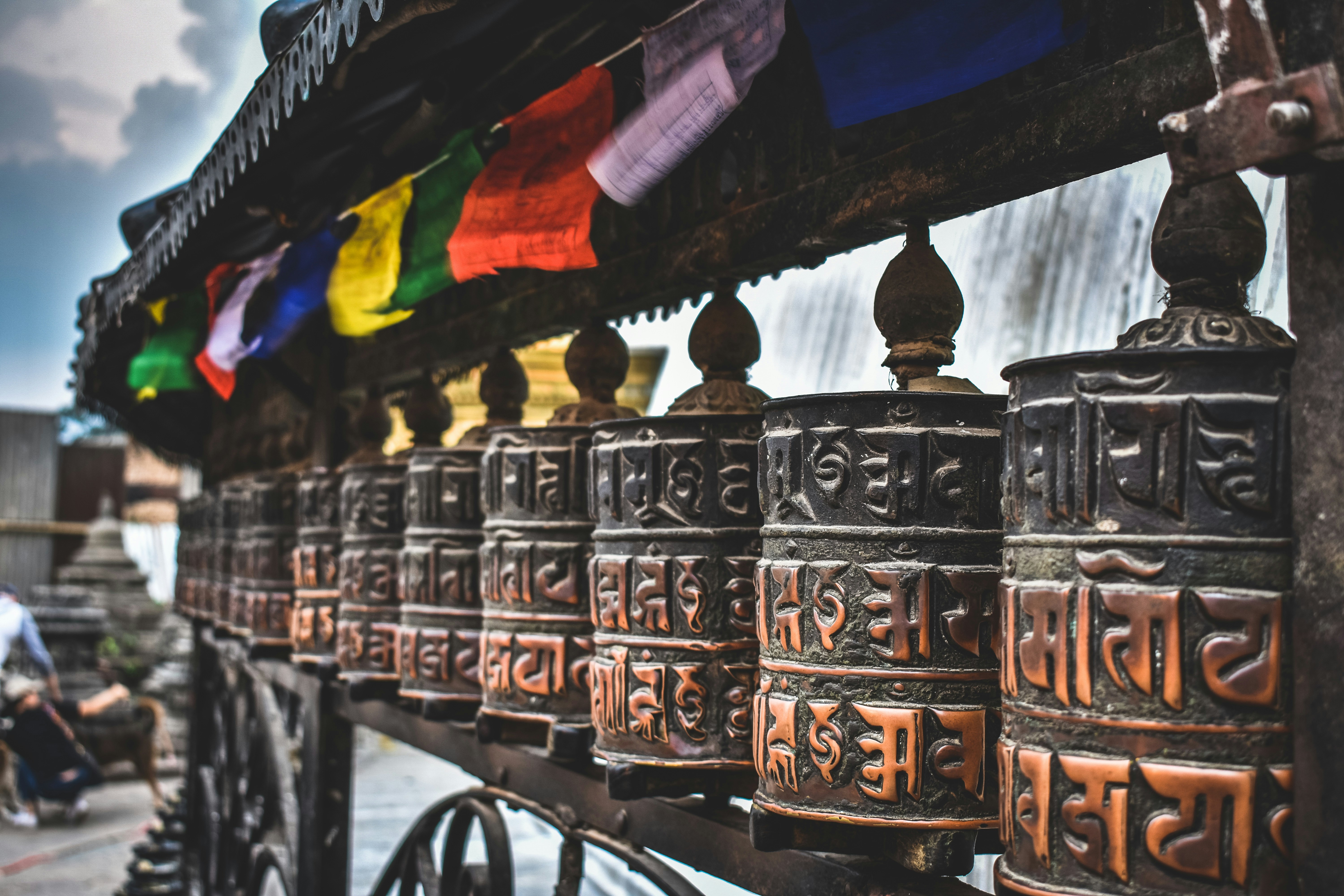
By mid-morning, climb to Swayambhunath Stupa, also known as the Monkey Temple. The ascent of 365 steps is worth every one. This white-domed sanctuary sits above the valley, and from its base, you can see across Kathmandu to the distant mountains. Prayer flags snap in the wind. Monkeys move through the compound. Pilgrims circumambulate the stupa, turning prayer wheels as they go. Spend time here in stillness.
In the afternoon, visit Pashupatinath Temple, one of the holiest sites in Hinduism, dedicated to Shiva. The temple complex sprawls along the Bagmati River, with ghats where pilgrims bathe and if you are respectful and observe, where the sacred and the everyday exist side by side. This is not a place to rush through. It is a place to witness, to listen, to begin to understand what pilgrimage means.
Day 3: Bhaktapur - A Medieval Kingdom Preserved
Take a local bus or private vehicle (about 45 minutes) to Bhaktapur, a medieval Newari city that feels suspended in time. Unlike Kathmandu, Bhaktapur has preserved much of its old architecture and character. The main square, Durbar Square, is anchored by the ornate Nyatapola Temple and the 55-window palace. Wander the narrow brick lanes. Stop at a potter's wheel and watch clay become form. Eat juju dhau (a creamy rice pudding unique to Bhaktapur) from a street vendor.
Bhaktapur is best appreciated without a fixed itinerary. Let yourself get a little lost. The city rewards wandering.
Days 4–5: Nagarkot & the Rim of the Valley
A Mountain Viewpoint & Sunrise
An hour's drive from Kathmandu, Nagarkot sits at 2,100 meters on the valley's eastern rim. The town is small, really just a string of lodges and guesthouses but it offers something Kathmandu cannot: space, and a view of the Himalayan range that stretches across the horizon.
Stay two nights and plan your activities around the light. Sunrise is the priority. Wake before dawn (around 5:30 AM) and climb to a high point, many lodges can arrange this, or you can hike to a nearby viewpoint. As the sky lightens from deep blue to pink to gold, the Himalayan peaks emerge from the darkness, snow-covered and impossibly distant. Everest, Langtang, the Dorje Lakpa, these mountains that have drawn seekers and adventurers for centuries are suddenly present, real, humbling.
Spend the day resting, reading, or hiking local trails through pine forests. In the afternoon, the light is softer and the air clearer than in the valley. Walk to nearby villages. The quietness here is restorative.
On your second evening in Nagarkot, watch the sunset. The mountains glow amber and rose. The valleys below fade into shadow and mist. This is a good time to sit in silence and let the landscape teach you about impermanence and scale.
Days 6–8: Pokhara - Water, Mountains & Stillness
The drive from Nagarkot back through Kathmandu to Pokhara takes about 6–7 hours, depending on road conditions. Consider breaking this journey: overnight in Kathmandu or, if you have time, stop in Daman, a small town on the highway that offers a sudden, startling view of the entire Himalayan range compressed into a single vista.
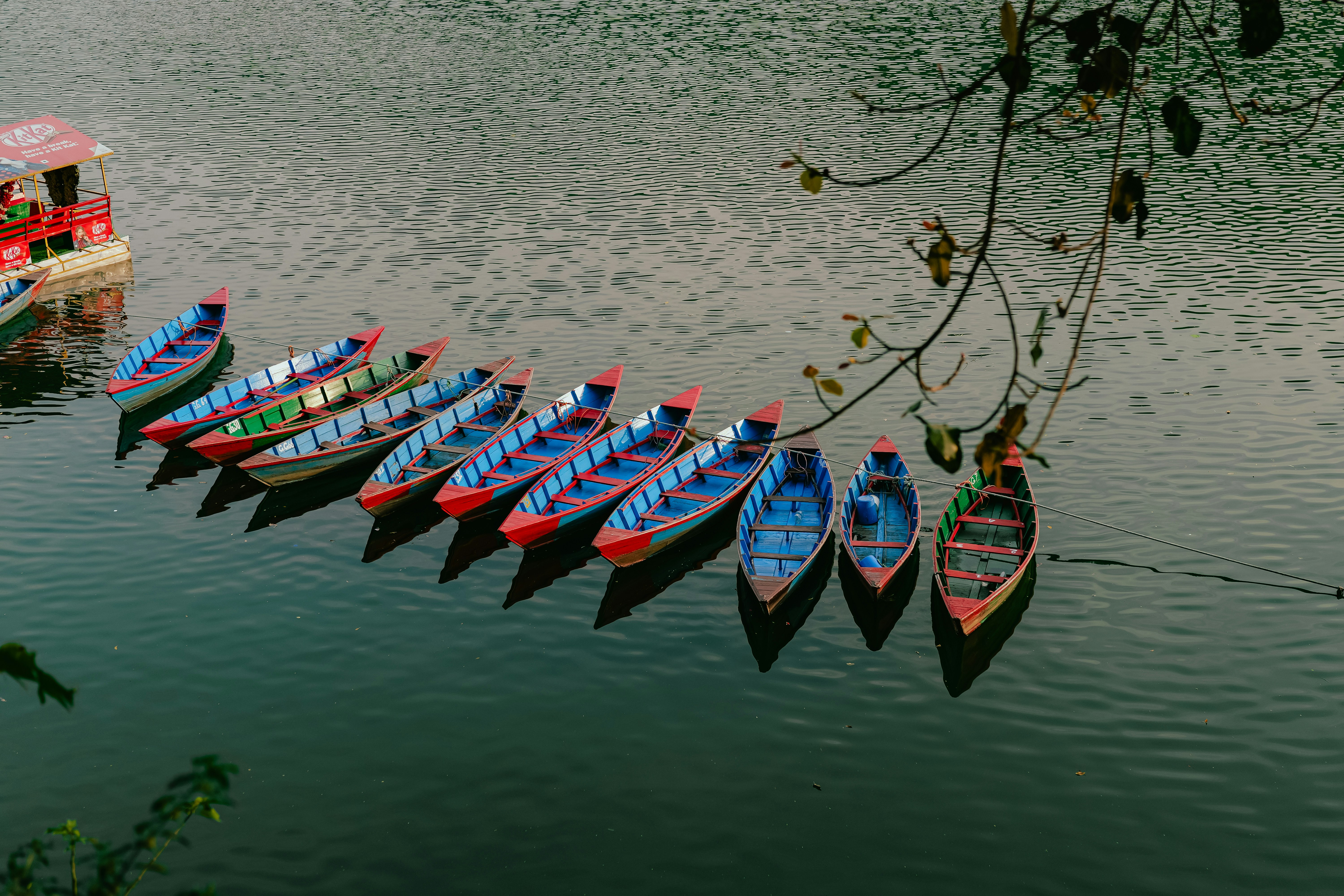
Pokhara sits at the edge of Phewa Lake, a body of water so clear and still that it mirrors the mountains perfectly. The town is gentler than Kathmandu, with a slower rhythm. The air is cleaner. The light is softer. Many travelers come here to recover from Kathmandu; instead, come here to deepen into Nepal.
Day 6: Arrival in Pokhara & Lakeside Walks
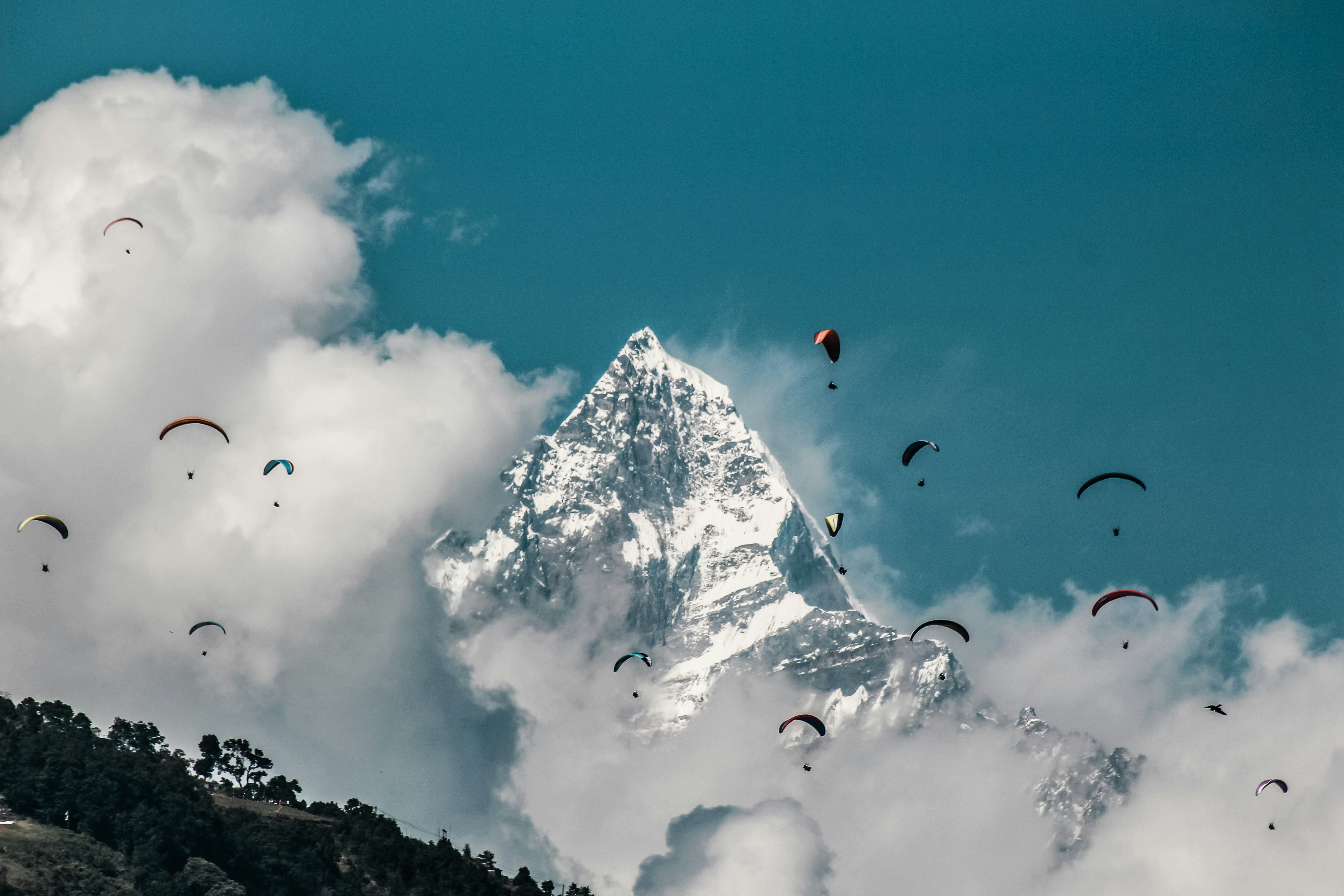
Settle into your lodge, preferably one with lake views or within walking distance of the water. Pokhara's main tourist area, Lakeside (Baikunthe), is walkable and unpretentious. In the afternoon, walk the perimeter of Phewa Lake. There are temple shrines tucked into unexpected corners, small beaches, vendors selling fresh fruit and sugarcane juice. The mountains, particularly Machhapuchhare (Fishtail Mountain) and the Annapurna range, rise to the north in the distance, snowcapped and austere.
Eat dinner lakeside as the light fails and the mountains fade to silhouette. The sound of water, prayer bells, and distant voices becomes the only rhythm.
Day 7: Boat Crossing & Tal Barahi Temple
Rent a wooden rowboat or take a shared motorboat across Phewa Lake to Tal Barahi Temple, a small but sacred Hindu temple on an island in the lake. The crossing takes 30–45 minutes by oar, longer by motorboat. For the slower, quieter journey, choose the rowboat. Watch the water, the mountains' reflection, the light changing. This is not sightseeing; this is time.
The temple itself is modest, a small shrine where pilgrims leave offerings and murmur prayers. The real gift is the crossing itself, the sense of being held in stillness between mountains and water.
On the return journey, stop at the small dock on the eastern shore and hike up to Peace Stupa, a white concrete structure visible from across the lake. The climb is gentle and takes about 30 minutes. The stupa commemorates Buddha and offers 360-degree views of the lake, the valley, and the Himalayas. Sit for a while. Many people meditate here.
Day 8: Sarangkot Sunrise & Mountain Views
On your final morning in Pokhara, wake before dawn and take a local bus or private vehicle to Sarangkot, a ridge at 1,600 meters on the lake's western side. The sunrise from here is considered one of the finest in Nepal, the entire Annapurna range glows in sequence as the sun rises, and Machhapuchhare seems close enough to touch.
Bring a warm layer and a thermos of tea if you can arrange it. Arrive early and sit in silence as the light arrives. This is the kind of moment that justifies travel.
Days 9–10: Chitwan or Return
Your final days offer two good options:
Option A: Chitwan National Park (if you want wildlife & jungle)
Chitwan, a two-hour drive south of Pokhara, is a UNESCO-protected national park and one of Asia's best spots for wildlife. The jungle is dense, the rivers are warm, and you have a real chance of seeing Bengal tigers, one-horned rhinos, gharials, and hundreds of bird species.
A typical day includes a guided jungle walk at dawn (the best light and most animal activity), breakfast, a siesta during the hot middle hours, and an elephant or canoe safari in the afternoon. The pace is slow and observant. Nature reveals itself to the patient.
Option B: Rest in Pokhara & Prepare for Departure
Alternatively, simply rest in Pokhara. Walk, read, swim in the lake if the season allows, sit in temples, eat well, and prepare yourself to carry the experience home. Sometimes the most valuable days of a journey are the ones without plans.
Practical Considerations
Best Time to Visit
October to November (autumn) and February to April (spring) offer the clearest skies and most stable weather. Autumn is slightly better for mountain views. The monsoon (June–August) brings rain and obscured views but also lush landscapes and fewer tourists. Winter (December–January) is cold at elevation but can be magical.
Getting Around
Local buses are authentic and inexpensive but slow and crowded. For a first-time visitor seeking balance between experience and comfort, hiring a private driver or joining organized tours for longer journeys (like Kathmandu to Pokhara) is worthwhile. Within cities, walk as much as possible.
Lodging
Nepal offers everything from basic guesthouses ($10–20/night) to comfortable mid-range hotels ($40–80/night) to upscale resorts. In Kathmandu and Pokhara, mid-range lodging is good value. Seek places with character, family-run guesthouses often offer the warmest welcome and best local knowledge.
Food
Eat what locals eat: dal bhat, momos, Newari cuisine, fresh fruits. Tourist restaurants exist but often miss the point. Street food is safe if the stall is busy and you see food being freshly prepared. Drink bottled or filtered water. Many guesthouses offer excellent home-cooked meals if you ask.
Practical Details
- Visa: Most nationalities receive a 15 or 30-day tourist visa on arrival.
- Currency: Nepali Rupee. ATMs are widespread in Kathmandu and Pokhara.
- Language: Nepali is the national language, but English is widely spoken in tourist areas. Learning a few words of Nepali ("Namaste," "Dhanyabad," "Kasto chha?") is deeply appreciated.
- Altitude: Kathmandu is at 1,300m, Nagarkot at 2,100m. Most people acclimatize without issue, but take it easy on your first days.
| Day | Location | Focus | Altitude |
|---|---|---|---|
| 1–3 | Kathmandu & Bhaktapur | Temples, history, city energy | 1,300–1,400m |
| 4–5 | Nagarkot | Mountain views, sunrise, stillness | 2,100m |
| 6–8 | Pokhara | Lakes, mountains, contemplation | 800m |
| 9–10 | Chitwan or Pokhara | Wildlife or rest & reflection | 100–1,300m |
Nepal rewards those who slow down. It is possible to rush, to tick boxes, collect photos, move on but you would miss the substance of the place. The real gift is in the walking meditation through Durbar Square at dusk, in the conversation with a monk at Swayambhunath, in sitting lakeside in Pokhara watching mist rise from the mountains at dawn, in the simple humanity of shared meals and shared journeys with other travelers and locals alike.
This 10 days is less an itinerary and more an invitation: to witness, to breathe, to allow yourself to be changed by beauty and history and the kindness of strangers. Nepal is not a place you visit; it is a place that visits you, long after you have returned home.
Last updated May 31, 2026 at 20:03