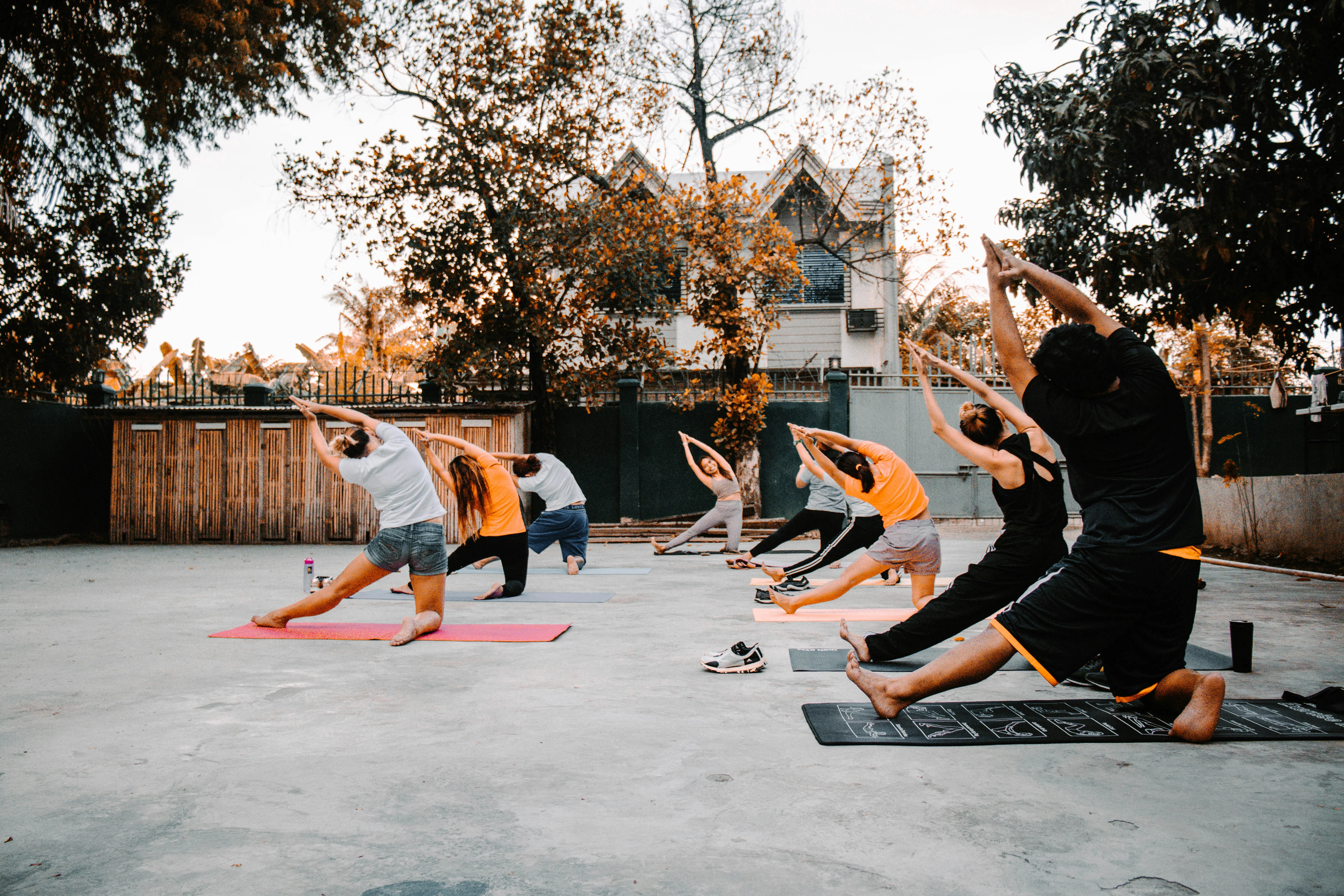
yoga flow
Yoga and Brain Health: What Research Shows
Comprehensive analysis of scientific research on yoga's neurobiological effects: brain structure changes, GABA neurotransmitter production, amygdala and prefrontal cortex effects, stress reduction, cognitive benefits, and clinical applications for depression, anxiety, and PTSD.
Bodhgriha Team
Bodhgriha Institute
The idea that yoga benefits mental health is no longer speculative. Over the past two decades, advances in neuroimaging technology...functional magnetic resonance imaging (fMRI), structural MRI, electroencephalography (EEG), and magnetic resonance spectroscopy (MRS), have revealed the precise neurobiological mechanisms through which yoga practice alters brain structure and function. This body of research provides scientific validation for benefits yoga practitioners have reported for thousands of years.
Neuroimaging Methods and What They Reveal
Modern neuroscience employs several imaging techniques to investigate yoga's effects on the brain, each providing different information:
Functional MRI (fMRI) measures changes in blood flow within the brain, offering insights into neural activity in real time. Structural MRI reveals changes in brain tissue volume and density. Electroencephalography (EEG) measures electrical brain activity, while magnetic resonance spectroscopy (MRS) measures neurochemical concentrations directly.
These diverse approaches allow researchers to investigate yoga's effects at multiple levels: immediate neural activation patterns, long-term structural changes, electrical brain activity, and specific neurochemical modifications. The convergence of findings across these methods provides robust evidence for yoga's neurobiological effects.

Brain Regions Affected by Yoga Practice
Research consistently identifies specific brain regions that change with regular yoga practice:
The Prefrontal Cortex (PFC):
Increased grey-matter volume in the prefrontal cortex, a region essential for memory, attention, and executive function, has been associated with regular yoga practice. The prefrontal cortex is the brain's most evolved region, responsible for decision-making, impulse control, emotional regulation, and rational thinking.
Studies show that blood oxygen levels in the dorsolateral prefrontal cortex during breath work are significantly higher in long-term yoga practitioners than in short-term practitioners. This finding indicates that pranayama (breath regulation) practice develops enhanced prefrontal cortex engagement...a neurobiological marker of improved cognitive control.
The Hippocampus:
Experienced yoga practitioners show increased grey-matter volume in the hippocampus, which is related to learning and memory. People who practice yoga regularly have greater grey-matter volume in the hippocampus, which may help protect against age-related cognitive decline.
This is particularly significant because the hippocampus is vulnerable to damage from chronic stress. Cortisol, the primary stress hormone, when chronically elevated, literally shrinks hippocampal volume and impairs memory function. Regular yoga practice counteracts this process, maintaining hippocampal structure and supporting learning capacity.
The Amygdala:
The amygdala is the brain's emotional processing center, particularly involved in fear and anxiety responses. A 2010 study found that subjects who meditated 30 minutes a day for eight weeks had a reduction of gray matter in the amygdala...which is linked to fear and anxiety.
This reduction isn't pathological; it represents decreased reactivity to threat stimuli. Neuroimaging findings suggest that yoga practitioners are able to selectively disengage from aversive stimuli, providing them with a more adaptive response to stressors and decreased cognitive interference from emotionally-laden information.
In other words, yoga teaches the brain to process emotional information without overreacting. Stressful stimuli still register; the brain simply responds with less activation of fear and anxiety circuits.
The Anterior Cingulate Cortex (ACC):
The anterior cingulate cortex is involved in attention, error detection, and emotion regulation. Long-term yoga practitioners demonstrate lower activation in the ventrolateral prefrontal cortex during mental imagery of yoga postures compared to short-term practitioners, suggesting more efficient neural processing.
Lower activation for the same cognitive task indicates neural efficiency...the brain accomplishes the same function with less effort, a hallmark of expertise and optimal brain function.
The Insula:
The insula shows increased grey-matter volume in yoga practitioners, supporting improvements in interoception, the sensing of internal body states. This neurobiological change explains why yoga practitioners often report improved body awareness and emotional recognition. They literally have more neural tissue dedicated to sensing internal states.

GABA: The Neurotransmitter Behind Yoga's Calming Effects
One of the most significant discoveries linking yoga to brain chemistry involves gamma-aminobutyric acid (GABA), the brain's primary inhibitory neurotransmitter.
Yoga appears to improve neurotransmitter control, especially by increasing levels of GABA, which support mental clarity and serenity. A recent study found tentative evidence to suggest that yoga exerts its mood-boosting effect by increasing GABA activity among individuals with depression.
Low GABA levels are associated with anxiety disorders and depression. GABA activates inhibitory receptors throughout the brain, essentially "dampening down" excessive neural firing. When GABA is insufficient, the brain becomes hyperactive; thoughts race, anxiety spirals, and emotional regulation becomes difficult.
Studies comparing yoga practitioners to people who walked for exercise found increased GABA levels in the yoga group. This comparison is crucial...it demonstrates that yoga's effect on GABA is specific to yoga practice, not merely general exercise.
How Yoga Increases GABA:
Neuroimaging studies have suggested that activation of the prefrontal cortex during or after yoga may increase L-glutamate, which stimulates the thalamic increase in GABA. In other words, prefrontal cortex activation during yoga triggers a cascade of neurochemical events resulting in GABA synthesis.
Focused inhalation techniques, such as slow and deep breathing, stimulate the parasympathetic nervous system, resulting in increased vagal tone and improved heart rate variability....physiological markers associated with enhanced cognitive functions including attention, memory, and executive function.
This explains why pranayama (breath regulation) components of yoga practice have particularly strong effects on GABA. Controlled breathing directly stimulates parasympathetic activation, which facilitates GABA production.
Stress Reduction and the HPA Axis
The hypothalamic-pituitary-adrenal (HPA) axis is the body's primary stress-response system. When activated, it releases cortisol, which mobilizes resources for fight-or-flight responses. Chronic HPA axis activation, which occurs with ongoing stress...produces measurable brain changes and cognitive impairment.
Stress and emotional regulation are intimately linked processes, where brain regions involved in emotion processing, such as the amygdala and ventrolateral prefrontal cortex, are among the aging brain regions vulnerable to prolonged glucocorticoid exposure.
Regular yoga practice downregulates HPA axis activity. By supporting parasympathetic activation and GABA production, yoga creates physiological conditions that suppress cortisol release. Over time, this repeated suppression trains the system to maintain lower baseline cortisol levels.
Neuroplasticity: How Yoga Reshapes Brain Structure
One of neuroscience's most important discoveries is neuroplasticity...the brain's capacity to physically change in response to experience and practice.
Regular practice of physical exercise, breath control, and meditation may help maintain or perhaps improve brain structure through neuroplasticity mechanisms. This isn't metaphorical; yoga literally alters the physical structure of the brain at the cellular level.
The mechanism works through repeated neural activation. When a neural pathway is activated repeatedly, the connections strengthen through a process called long-term potentiation. With sufficient repetition, new synaptic connections form and existing ones strengthen through increased neurotransmitter release and receptor sensitivity. Over months and years, these microscopic changes accumulate into measurable structural changes visible on neuroimaging.
This explains why long-term yoga practitioners show more pronounced structural changes than short-term practitioners. The brain needs time to reorganize itself...typically several months of consistent practice before significant structural changes appear on neuroimaging scans. However, functional changes (altered activation patterns) can appear within weeks of regular practice as the brain develops more efficient neural pathways.
The implications are profound: your brain is not fixed. Through consistent yoga practice, you can literally reshape your neural architecture, improving emotional regulation capacity, cognitive function, and stress resilience. This process isn't passive; it requires deliberate, sustained practice. But the payoff is a measurably different brain with enhanced capabilities.
Cognitive Benefits: Attention, Memory, and Executive Function
The structural and chemical changes in yoga practitioners' brains translate into measurable cognitive improvements:
Through increased focus, emotional control, and less stress reactivity, yoga may mechanistically improve memory. The pathway is clear: yoga reduces stress, which protects the hippocampus, which supports memory formation and retrieval.
In the mental imagery of yoga postures task, long-term yoga practitioners showed better self-reported mastery than short-term practitioners. This indicates that yoga practice enhances the capacity to mentally visualize complex movements...a form of spatial reasoning and motor planning.
Attention also improves. Yoga practice requires sustained attention to breath, sensation, and body position. Structural and functional MRI studies have reported changes in brain regions involved in executive control, emotional regulation, interoceptive awareness, and default mode network (DMN) dynamics. These changes translate into improved capacity for sustained attention and concentration.
Effects on Mental Health Conditions
Depression:
A group of 30 clinically depressed patients were randomly divided into two groups. Researchers found that an important neurochemical, GABA, which is related to mood, anxiety and sleep, is significantly increased in association with a yoga intervention.
The study suggests that the associated increase in GABA levels after a yoga session are 'time-limited', similar to pharmacologic treatments, such that completing one session of yoga per week may maintain elevated levels of GABA. This finding has practical implications: regular yoga sessions maintain neurochemical benefits, much like medication requires regular dosing.
Anxiety:
Anxiety disorders involve hyperactive amygdala response and underactive prefrontal cortex regulation. By reducing amygdala volume and strengthening prefrontal cortex function, yoga directly addresses the neurobiology of anxiety disorders.
Improved emotional regulation of negative stimuli predicts steeper cortisol slopes in older adults, and acute administration of synthetic cortisol has been shown to increase emotional interference. In other words, yoga's effect on emotional regulation has cascading effects on stress hormone levels.
Long-Term Practitioners vs. Short-Term Practitioners
Research comparing experienced and newer yoga practitioners reveals important temporal dynamics. Changes don't occur instantly; they develop through consistent practice over months and years.
Long-term yoga practitioners demonstrated significantly higher blood oxygen levels in the dorsolateral prefrontal cortex during breath work compared to short-term practitioners. This difference reflects accumulated changes in neural architecture and connectivity that develop only through sustained practice.
Similarly, the capacity for mental imagery, proprioceptive awareness, and emotional regulation all show measurable improvements correlating with practice duration. This suggests that yoga's benefits are dose-responsive: more consistent, longer-term practice produces greater neurobiological changes.

Component-Specific Effects
Not all yoga components produce identical neural effects. Different aspects of yoga practice activate different brain systems:
-
Asanas (Physical Postures): Activate motor cortex, cerebellum, and proprioceptive pathways. Build spatial awareness and body mapping in the brain.
-
Pranayama (Breath Regulation): Activate prefrontal cortex and parasympathetic nervous system. Increase GABA and promote nervous system downregulation.
-
Meditation (Dhyana): Activate default mode network and strengthen connectivity between prefrontal cortex and amygdala. Enhance emotional regulation and self-awareness.
Comprehensive yoga practice addressing all three components produces more robust neurobiological changes than practice emphasizing only one aspect.
Clinical Implications and Future Research
The neurobiological evidence for yoga's benefits is substantial enough that multiple clinical applications are being investigated and implemented:
-
Yoga as adjunctive treatment for depression and anxiety disorders: Given yoga's documented effects on GABA and amygdala activation, researchers are exploring yoga as complement to pharmacological and psychotherapeutic interventions.
-
Yoga for PTSD and trauma processing: The effects on amygdala downregulation and prefrontal cortex strengthening suggest yoga could support nervous system healing in trauma survivors. Unlike talk-based therapies, yoga engages the body directly, addressing trauma stored in somatic patterns.
-
Yoga for cognitive decline prevention in aging: Given effects on hippocampus and prefrontal cortex volume, yoga shows promise for maintaining cognitive function across the lifespan and potentially slowing age-related cognitive decline.
-
Yoga for stress management and burnout prevention: In occupational settings, yoga programs reduce cortisol, improve HPA axis regulation, and enhance emotional resilience, practical outcomes for workplace wellness.
Contemporary yoga includes diverse styles that differ in their relative emphasis on physical postures (asana), breath regulation (pranayama), meditation (dhyana), and sensory withdrawal (pratyahara). Different components of yoga may differentially engage motor, attentional, and emotional processing systems.
Future research will likely clarify which specific yoga styles and practices produce optimal effects for particular brain regions and conditions. A person seeking anxiety reduction might benefit most from pranayama-focused practices, while someone pursuing cognitive enhancement might prioritize meditation and complex physical sequences. Personalized recommendations based on specific neurobiological goals represent the frontier of yoga neuroscience research.
The evidence is clear: yoga produces measurable, documented changes in brain structure and function. These aren't subtle effects detectable only through statistical averaging; they're significant enough to appear in neuroimaging scans of individual practitioners.
Through GABA production, amygdala downregulation, prefrontal cortex strengthening, and hippocampal protection, yoga creates neurobiological conditions supporting emotional resilience, cognitive function, and psychological well-being. The practice literally reshapes the brain toward greater capacity for attention, emotional regulation, stress recovery, and meaningful thinking.
The traditional claim that yoga benefits mental health is now supported by rigorous neurobiological science. What ancient texts described intuitively, modern neuroscience is validating precisely.
Last updated August 06, 2026 at 20:03 UTC