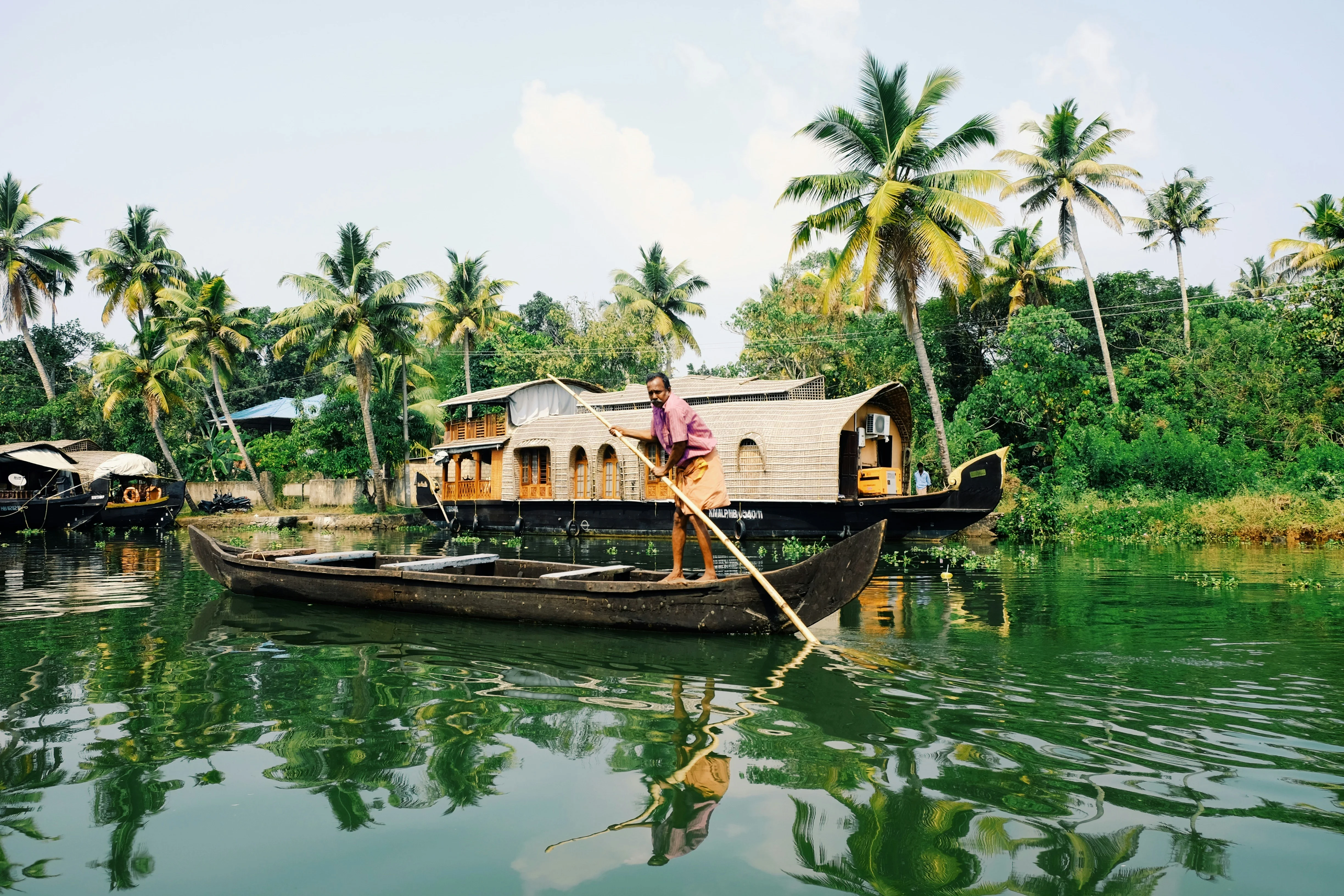
destination
How Much Does an India Yoga Retreat Cost? 2026-27 Pricing Guide
Comprehensive 2026-27 pricing guide for India yoga retreats covering budget to luxury options ($15-$250/day), regional breakdown (Rishikesh, Goa, Kerala), what's included, hidden costs, seasonal variations, payment plans, and realistic total budget planning.
Bodhgriha Team
Bodhgriha Institute
India remains the most affordable yoga retreat destination globally, offering world-class instruction at a fraction of the cost in Western countries or Southeast Asia. India consistently offers more yoga value per dollar than any other destination, with some retreats starting at $99 for a 3-day retreat. However, pricing varies significantly based on location, duration, accommodation type, and what's included. Understanding the breakdown helps you budget accurately and avoid surprise costs.
The Price Spectrum: What You Actually Pay
Budget ashram retreats in Rishikesh start at $150 to $400 for a week including accommodation, vegetarian meals, and daily yoga. Mid-range programs with better rooms and additional activities run $400 to $1,000. Premium Ayurvedic and wellness experiences in Kerala reach $1,000 to $3,000.
More specifically, budget retreats cost USD 15 to 40 per day, mid-range retreats cost USD 40 to 100 per day, and premium retreats cost USD 100 to 250 per day.
For quick reference by duration:
- 3-day retreat: $99-$300 total
- 5-day retreat: $150-$500 total
- 7-day (week-long) retreat: $150-$1,500+ total
- 14-day retreat: $300-$3,000+ total
(cite index="59-1">India offers some of the most affordable yoga retreats in the world with many programs starting under $100, with ranges from $99 for a 3-day retreat to $1,500 for a month-long yoga teacher training.
Regional Breakdown: Location-Specific Pricing
Rishikesh-The Yoga Capital
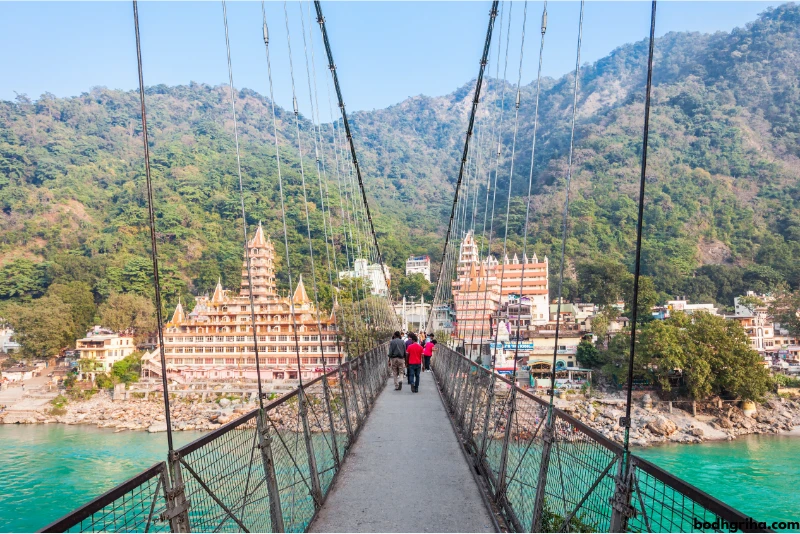 Rishikesh dominates the yoga retreat landscape, nestled in the Himalayan foothills along the Ganges, hosting hundreds of programs from budget ashram stays to luxury wellness experiences. Budget ashram retreats in Rishikesh start at $150 to $400 for a week including accommodation, vegetarian meals, and daily yoga. Mid-range programs with better rooms and additional activities run $400 to $1,000.
Rishikesh offers the widest price range and volume of options, earning its designation as the yoga capital. The concentration of retreat centers means intense competition, which helps keep prices low. The ideal months in Rishikesh are February to May and September to November, when the weather in the Himalayan foothills is cool and clear. The spiritual significance of Rishikesh as home to major ashrams and its setting on the sacred Ganges River attracts serious practitioners seeking deep traditional instruction.
Rishikesh advantages: lowest prices overall, most selection, authentic traditional ashram culture, concentration of qualified teachers, spiritual significance of location. Primary drawback: infrastructure can be basic, crowded during peak season.
Goa-Beach-Based Retreats

Goa's season runs November to March. Goa provides a more relaxed atmosphere combining yoga with beach culture. However, it features fewer traditional Indian yoga teachers, with many Goa retreats led by Western expat teachers, and can feel more like a holiday than a genuine spiritual experience. Goa attracts digital nomads, beach-culture seekers, and Western travelers seeking a more social retreat experience rather than intensive spiritual practice.
Goa advantages: beach location, relaxed atmosphere, social community, excellent weather (November-March), restaurant and entertainment options nearby. Disadvantages: higher prices than Rishikesh by 30-50%, less traditional yoga focus, can feel touristy, limited availability outside November-March season.
Kerala-Ayurveda-Focused

Premium Ayurvedic and wellness experiences in Kerala reach $1,000 to $3,000 for a week-long program. Kerala represents the most expensive region, particularly for specialized Ayurvedic panchakarma treatments. The state's legitimate reputation as Ayurveda's birthplace justifies costs to some degree, as authentic Ayurvedic practitioners and high-quality treatments command premium pricing.
Kerala advantages: authentic Ayurvedic healing with qualified practitioners, integration of yoga with medical-grade Ayurvedic treatments, stunning backwater and plantation landscapes, therapeutic focus on healing rather than just practice. Disadvantages: highest prices of all regions (30-50% more than Rishikesh), resort-style facilities inflating costs, less traditional yoga training emphasis, limited availability outside October-March season, infrastructure can feel commercial rather than spiritual.
Other Destinations: Dharamshala, Mysore, Himachal Pradesh
India's retreat offerings extend far beyond Rishikesh: Panchakarma and Ayurvedic rejuvenation in Kerala, spiritual healing programs in Goa, Himalayan hiking combined with yoga, silent meditation in the mountains, and teacher training programs across multiple states.
Dharamshala (home to Tibetan Buddhist culture), Mysore (home of Ashtanga yoga tradition), and Himachal Pradesh mountain regions offer mid-range to premium pricing, typically within $20-30/day of Rishikesh for similar quality. These destinations appeal to practitioners seeking specific yoga lineages or cultural immersion beyond mainstream retreat centers.
What's Included: Understanding the Package
Most retreats include daily yoga and meditation sessions, accommodation, meals (often vegetarian or organic), workshops, and optional wellness therapies like Ayurveda. Some also offer activities like trekking, chanting, or cultural experiences.
Specifically, entry-level ashram-tier retreats include shared accommodation (dorm or basic twin), three vegetarian meals daily, two to three group sessions per day (yoga and meditation), and the practice itself.
Standard inclusions across most India yoga retreats:
- Daily yoga sessions (typically 2-3 sessions per day)
- Daily meditation sessions
- Accommodation (basic to comfortable depending on tier)
- All meals (vegetarian, sometimes vegan options)
- Access to facilities and equipment
- Workshops or additional teachings
Airport transfers are sometimes included but may cost $20-80 extra. Spa treatments, private sessions with instructors, excursions, and alcohol are usually extra.
What's NOT Included: Hidden Costs to Budget
Flights, transfers from the airport, spa add-ons, gratuities, and single-occupancy supplements can increase total spend by 20-35%.
Explicitly NOT included in most retreat packages:
- International flights (expect $600-$1,200 from Europe, $400-$1,000 from North America depending on season)
- Airport/station transfers (sometimes $20-80, occasionally included)
- Travel insurance (highly recommended, typically $30-100)
- Visa costs ($25 for e-visa, free for many nationalities)
- Additional spa treatments beyond included sessions ($20-100+ per treatment)
- Private instruction (often $50-150+ per session)
- Excursions and activities outside the property (trekking, temple visits, etc.)
- Alcohol and extra beverages
- Gratuities/tips (often appreciated though not mandatory)
- Single-room supplements (typically 50-100% more than shared room pricing)
- Personal items (toiletries, incidentals)
- Phone/communication costs
Price Variations by Accommodation Type
Accommodation type dramatically affects pricing:
Shared Dormitory: Budget tier, most affordable ($15-40/day) Twin or Shared Private Room: Mid-range, commonly chosen ($40-100/day) Private Single Room: Significant premium, typically 50-100% more than shared room pricing ($75-250+/day) Luxury Suite/Bungalow: Premium tier, substantial surcharge from base pricing
Private room upgrades add 50-100% to the base price, meaning a $50/day shared room retreat becomes $75-100/day with private accommodation.
Seasonal Pricing: When You Travel Matters
The best time to visit India for yoga retreats is from October to March. However, traveling during the shoulder seasons (April-June or September) can help you find even lower prices. North India is ideal May-November; South India is ideal October-March.
Peak Season (November-February): Full pricing, highest demand, excellent weather Shoulder Season (April-June, September-October): 15-30% discount from peak rates, still good conditions (except monsoon in some regions) Off-Season (July-August): Monsoon period, 20-40% discounts, challenging weather in some regions
(cite index="64-1">Early-bird discounts of 10-20% are available for bookings made 2-3 months in advance.
Payment Plans and Financing Options
Affordable yoga retreats often offer payment plans, making yoga and renewal accessible for those who need it most.
Many retreat centers now offer flexible payment structures to make retreats accessible regardless of financial situation. This represents a significant shift in how retreat centers operate, recognizing that many practitioners face financial constraints during certain periods of the year.
Common Payment Structures:
- Full upfront payment: Often qualifies for early-bird discounts (typically 10-20% off if booked 2-3 months in advance)
- 3-month installment plans: Deposit amount (typically €1,000-$500 equivalent) plus three equal monthly payments
- 4-month installment plans: Deposit plus four smaller monthly payments for those preferring lower monthly commitment
- 6-month plans: Longest duration option with the smallest monthly payment amount, though total interest or fees may apply
Example payment plans include 3-month options with a €1,000 deposit plus three monthly installments of €880 ($1,160 total monthly outflow), or 6-month options with a €1,000 deposit plus six smaller monthly payments of €450 ($450 monthly after initial deposit), with early-bird discounts applied for bookings made months in advance. Private room options add €850 ($920) to the total retreat price.
Important Considerations for Payment Plans:
Retreat centers typically require a non-refundable deposit to secure your spot and lock in pricing. Cancellation policies vary significantly, some centers refund 30% of paid amounts if cancellation occurs 90+ days prior, 50% if 60-89 days prior, and nothing if less than 60 days prior. This is why travel insurance is highly recommended.
Many centers also offer early-bird discounts specifically for upfront payment, incentivizing people to commit early. The financial math often favors early booking: a retreat costing $1,000 with a 20% early-bird discount (booked 3+ months ahead) becomes $800, whereas the same retreat paid in installments over six months at a standard rate costs $1,000 plus potential interest.
Alternative Financing:
Some practitioners use:
- Personal loans or credit lines to fund immediate full payment, then pay off the loan over time
- Credit card rewards programs to offset a portion of costs
- Employer wellness reimbursement programs (increasingly common)
- Crowdfunding through family/friend networks
- Work-trade arrangements (some centers offer reduced pricing for helping with retreat operations)
Total Budget Planning: The Full Picture
To understand actual total cost, consider:
Retreat Package: $150-$3,000+ depending on tier and duration International Flights: $400-$1,200 depending on origin Travel Insurance: $30-$100 Visa: $0-25 Airport Transfers: $0-80 Spending Money (daily incidentals, meals outside retreat, activities): $200-$500 for week-long retreat Gratuities: $20-50 (optional)
Total 7-day retreat budget (India):
- Budget tier: $1,200-$1,500 (all-in)
- Mid-range tier: $1,500-$2,500 (all-in)
- Premium tier: $2,500-$4,500+ (all-in)
This compares to Bali retreats at $1,500-$3,000 for retreat alone, and Costa Rica at $1,500-$4,000+ for retreat alone.
Maximizing Value: Cost-Reduction Strategies
These practical strategies can reduce your total costs by 20-40 percent: book early for 10-20% early-bird discounts, travel off-peak (May, June, late September, early October cost 15-30% less than November-February peak), and ask about payment plans.
Additional money-saving approaches:
- Book 2-3 months in advance for maximum discounts
- Travel April-June or September for lowest pricing
- Choose Rishikesh over Goa or Kerala for best value
- Select shared accommodation over private rooms
- Combine multiple retreats for package discounts
Many affordable retreats cost between $200-$500 per week, and yes, you can find genuine deep healing without financial stress with daily yoga sessions, nourishing meals, and shared experience with other practitioners.
Quality Assurance: Making Sure You Get What You Pay For
When choosing a retreat, check for reviews, course content, teacher credentials, and what is included in the price to help you avoid hidden costs and ensure a fulfilling experience.
Before booking:
- Verify what's included in the headline price
- Check instructor credentials and experience
- Read recent reviews from practitioners
- Clarify single-room supplements if considering private accommodation
- Confirm airport transfer policy
- Ask about cancellation policies (important for travel insurance)
- Check for early-bird discount availability
India is one of the cheapest places to experience a yoga retreat without sacrificing quality or authenticity. Unlike luxury yoga retreats in Bali or Costa Rica, India provides affordable, authentic, in-depth yoga education. As the birthplace of yoga, India offers a rich, traditional experience with many retreats following classical yoga teachings, including Hatha, Ashtanga, and Kundalini yoga, while integrating Ayurveda, meditation, and pranayama.
Whether you're seeking a $200 budget ashram experience or a $3,000 premium Ayurvedic program, India delivers exceptional value at every price point. The key is matching your budget, preferences (spiritual depth, beach vs. mountains, Ayurveda vs. pure yoga), and availability (peak season vs. shoulder season) with the right destination and timing.
Last updated August 29, 2026 at 20:03 UTC