destination
10-Day Italy Itinerary: Rome, Florence, Venice & Tuscany
A 10-day Italy itinerary with specific attractions, hours, costs, and dining recommendations. Covers Rome (Colosseum, Vatican, Pantheon), Florence (Uffizi, David, Duomo), Tuscany wine region, and Venice (St. Mark's, lagoon islands, museums).
Bodhgriha Team
Bodhgriha Institute
This 10-day itinerary covers Italy's major destinations: Rome, Florence, Tuscany, and Venice. The best time to visit is April to May or September to October for moderate weather and fewer crowds than summer months.
Fly into Rome and out of Venice for a logical geographical flow. Budget 2-3 nights per location to see major attractions without constant travel.
Day 1 - Arrival & Orientation
Arrive in Rome Fiumicino or Ciampino airport. Travel to central Rome by train or taxi (30-60 minutes). Settle into accommodation and rest. Explore immediate neighborhood by foot. Key neighborhoods for accommodation: Trastevere, Centro Storico, or Monti.
Day 2 - Ancient Rome

-
Morning (8-9 AM): Colosseum (Flavian Amphitheatre) - book skip-the-line tickets online in advance. Hours: 8:30 AM - 7:15 PM (varies seasonally). Cost: €18 (includes Forum and Palatine Hill). This is the most crowded monument; arrive early or visit late afternoon. The Colosseum is a 4-story ancient amphitheater built 70-80 AD.
-
Late Morning: Roman Forum (Foro Romano) - includes temples, basilicas, and government buildings from ancient Rome. Included in Colosseum ticket. Less crowded than Colosseum; can spend 1-2 hours here. Notable structures: Temple of Saturn, Temple of Vesta, House of the Vestal Virgins.
-
Afternoon: Palatine Hill (Colle Palatino) - archaeological site with remains of imperial palaces. Included in Colosseum ticket. Offers panoramic views of Forum and city. Less crowded than Forum. Walking paths wind through multiple ruins; plan 1-1.5 hours.
-
Late Afternoon: Pantheon - free entry. Exceptional preservation; built 113-125 AD. Notable feature: massive dome (27.5 meters diameter) with central oculus opening to sky. Interior temple with original Roman flooring. Hours: 9 AM - 7 PM (varies). Arrive late afternoon (after 5 PM) when day-trippers leave; quieter experience.
-
Evening: Dinner near Colosseum or in Monti neighborhood. Restaurants: Armando al Pantheon (near Pantheon), Flavio al Velavevodetto (near Colosseum).
Day 3 - Vatican & Additional Sites

-
Morning (8:30 AM): Vatican Museums (Musei Vaticani) - book skip-the-line tickets online. Hours: 9 AM - 5 PM (reduced hours Sundays and holidays). Cost: €19. Reserve 2.5-3 hours. Major galleries: Pinacoteca (paintings), Sistine Chapel (ceiling frescoes by Michelangelo, 1508-1512), Raphael Rooms (Stanze di Raffaello).
-
Sistine Chapel: Located at end of museum route. Famous for Michelangelo ceiling fresco and "The Last Judgment" (wall fresco). Photography prohibited. Entrance included in Vatican Museums ticket.
-
Afternoon: St. Peter's Basilica (Basilica di San Pietro) - exit Vatican Museums directly into basilica. Free entry to basilica floor. Optional: climb dome (Cupola) - 320 steps by elevator + 91 steps by foot, €18 cost, panoramic views of Vatican City and Rome. Hours: 7 AM - 7 PM (varies). The basilica is world's second-largest church building (by interior volume).
-
Late Afternoon: Spanish Steps (Piazza di Spagna) - famous monumental staircase (135 steps) built 1725. Nearby shopping: high-end boutiques on Via Condotti (Gucci, Prada, Louis Vuitton). Surrounding piazza has cafés and restaurants. Visit late afternoon or early evening to observe crowds.
-
Optional Evening: Trevi Fountain (Fontana di Trevi) - 18th-century baroque fountain. Visit early morning (7-8 AM) or late evening (11 PM-midnight) to avoid crowds and water spray from tourists. Coin toss tradition (supposedly ensures return to Rome). No admission fee. Nearby restaurants and bars surrounding fountain (typically overpriced).
-
Dining: Restaurants near Vatican - Taverna Angelica (upscale), Armando al Pantheon (historic trattoria). Street food: pizza al taglio (pizza by the slice), supplì (fried risotto balls).
Day 4: Florence

-
Morning: Uffizi Gallery (Galleria degli Uffizi) - one of Europe's greatest art museums with over 3,000 works. Book skip-the-line tickets online (€20 admission). Hours: 8:15 AM - 6:50 PM (closed Mondays). Plan 2-3 hours minimum. Notable works: Botticelli "The Birth of Venus," "Primavera"; Leonardo "Adoration of the Magi"; Giotto works; Raphael paintings. The gallery is crowded; early morning entry recommended.
-
Lunch: San Lorenzo Market (Mercato di San Lorenzo) - outdoor market adjacent to Basilica of San Lorenzo. Vendors sell leather goods, textiles, Florentine crafts, souvenirs, and food. Food stalls offer trippa sandwiches, lampredotto, fresh pasta. Hours: 9 AM - 7 PM daily. Haggling expected and accepted for merchandise prices. Side note: Basilica of San Lorenzo nearby worth brief visit (free entry); Renaissance architecture by Brunelleschi.
-
Afternoon: Accademia Gallery (Galleria dell'Accademia) - houses Michelangelo's David (1504), one of world's most famous sculptures. Book tickets online (€12.50). Hours: 8:15 AM - 6:50 PM (closed Mondays). Plan 45 minutes - 1 hour. Gallery contains other works and drawings; David statue occupies main hall. Museum less crowded than Uffizi; can visit same afternoon.
-
Late Afternoon: Florence Cathedral (Duomo di Firenze) - free entry to cathedral. Massive Gothic cathedral with red and white marble exterior. Built 1296-1436. Notable feature: Brunelleschi dome (1434), architectural marvel. Optional paid entry to climb dome (463 steps, €18 cost) for panoramic city views; reserve timed tickets online. Hours: Monday-Friday 10 AM - 5 PM, Thursday-Saturday 10 AM - 4:30 PM. Surrounding plaza: Baptistry (octagonal building with bronze doors), Giotto's Campanile (bell tower, climb 414 steps for views).
-
Shopping: Oltrarno neighborhood south of Arno River - artisan shops, leather workers, jewelry makers, galleries. Via Tornabuoni - high-end fashion boutiques (Gucci, Armani, Dolce & Gabbana). Ponte Vecchio - jewelry shops occupying bridge built 1345.
-
Evening: Ponte Vecchio - Renaissance stone bridge with jewelry shops. Crowd best observed from nearby bridges or riverbank. Crossing the bridge is free. Surrounding areas (north and south) have restaurants and bars. Dinner recommendations: Beccofino (seafood, views), Il Santo Bevitore (Florentine cuisine).
Day 5: Tuscany - Chianti Wine Region & Villages
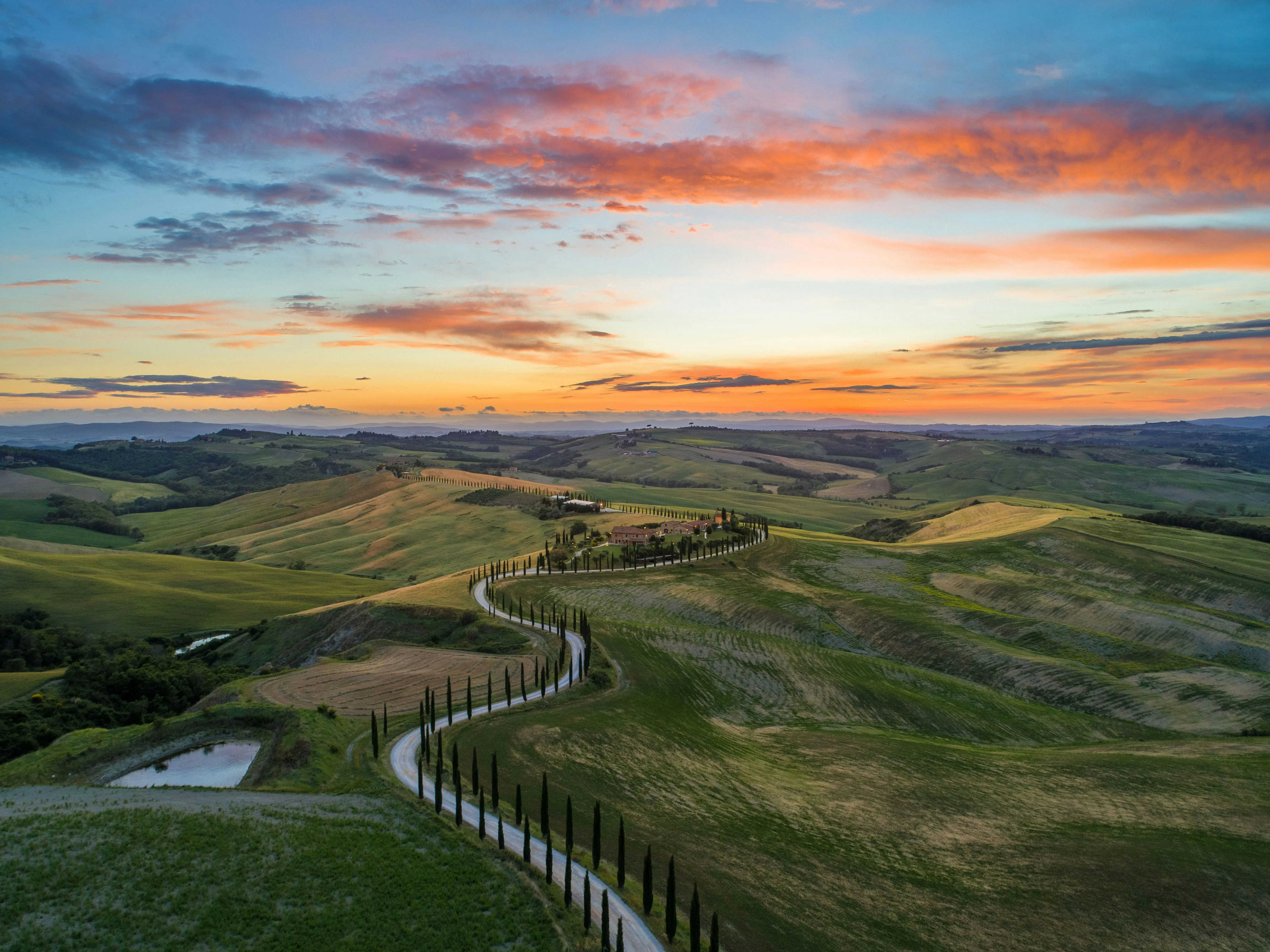
From Florence, rent a car (1 day: €40-60) or book organized wine tour (€80-120). Chianti region is approximately 45 minutes south of Florence. Multiple route options; driving through countryside is part of the experience.
Chianti Wine Region - Winery Visits:
Small family-owned wineries operate throughout Chianti. Many accept walk-in visitors without advance reservations. Typical visit: 30-45 minutes, includes vineyard tour, wine tasting (2-3 wines), opportunity to purchase bottles. Costs: €10-25 per person for tastings (often credited toward wine purchase).
Notable wineries: Vignamaggio, Castello di Brolio, Fattoria Nittardi, Montevertine. Hours typically 9 AM - 6 PM. Lunch available at most wineries (€15-30 for full meal). Book in advance if interested in seated meal rather than quick tasting.
Villages to visit:
-
Greve in Chianti - central plaza (Piazza Matteotti) with clock tower, local restaurants, shops. Main market town for region. Hours from Florence: 45 minutes driving. Nearby restaurants: Badia a Passignano (Michelin-starred, €50+), Locanda di Neri (casual, €20-30).
-
Radda in Chianti - medieval village with intact defensive walls, narrow streets, local wine shops. Population: ~1,800. Accommodation available (guesthouses, small hotels). Restaurants: Radda (upscale), Vistamare (pizza and casual).
-
Volpaia - fortified village built 11th-13th centuries. Narrow cobbled streets, small shops, views of surrounding vineyards and hills. Less touristy than Greve or Radda. No major restaurants; best visited as stop during driving route.
-
Panzano in Chianti - small village south of Greve. Butcher shop (Dario Cecchini) famous for meat products and wine pairings. Local restaurants: Officina della Bistecca (steak-focused). Cooking classes available if interested.
Food & Shopping:
- Pecorino cheese - local sheep's milk cheese, purchased at markets and wine shops
- Chianti wine - red wine blend; purchase directly from wineries (€8-30 per bottle)
- Truffle products - seasonal (September-December); various shops sell truffle oil, products
- Olive oil - local production; sample and purchase at farms or shops
Accommodation Options:
- Standard hotels in Greve or Radda (€80-150 per night)
- Agriturismo (farm stays) - accommodation on working farms, includes meals with family-style dining, farm tours. Cost: €60-120 per night. Breakfast and dinner included. Examples: Fattoria di Rignano, Il Rigo. Advance reservations required.
Days 6-7: Venice
Travel to Venice by train from Florence (2 hours). Venice has no cars; travel is exclusively by boat (vaporetto/water bus) or foot. Arrival: Venezia Santa Lucia train station. Single vaporetto ticket: €9.50. Multi-day pass: 24-hour €25, 48-hour €35, 72-hour €40.
Day 6 - St. Mark's Area**

-
Morning (8 AM): St. Mark's Basilica (Basilica di San Marco) - visit early to minimize crowds. Free entry to basilica interior (modest dress required: knees and shoulders covered). Hours: 9:30 AM - 5 PM (varies seasonally). Byzantine architecture begun 1063; notable for golden mosaics covering interior dome and walls. Various reliquaries and artifacts from Crusades. Crypts visible beneath main floor. Visit adjacent Doge's Palace (Palazzo Ducale) - €25 admission. Guided tours available (€35). Hours: 8:30 AM - 5 PM (closed Tuesdays off-season). Renaissance palace with courtyard, grand staircases, ornate rooms. Notable: "The Last Judgment" painting by Tintoretto in council chamber.
-
Afternoon: St. Mark's Square (Piazza San Marco) - famous public square, surrounded by historic buildings. Observe crowds (typically heavy 11 AM - 4 PM). Cafés around square expensive (€8+ coffee). Venice's only major piazza. Surrounding buildings: Procuratie Vecchie (government buildings), Basilica (described above), Doge's Palace (described above), Campanile (bell tower, €12 admission, elevators to top for views).
-
Afternoon Optional: Correr Museum (Museo Correr) - Venetian history, art, and culture. Located in Procuratie Nuove building on St. Mark's Square. €25 admission. Hours: 10 AM - 7 PM (closed Tuesdays off-season). Plan 1.5-2 hours. Two-floor museum with paintings, sculptures, maps, historical objects related to Venetian maritime trade and government.
-
Evening: Walk through surrounding neighborhoods and canals north of St. Mark's. Explore Rialto area (major shopping district across Grand Canal). Cross Rialto Bridge (Ponte di Rialto) on foot; bridge has shops and restaurants, often crowded. Dinner: Rialto area restaurants or return to quieter neighborhoods for local trattorias.
Day 7 - Lagoon Islands & Additional Attractions**

-
Morning (9-10 AM): Vaporetto (water bus line 12 or 13) to Murano Island (12 minutes from central Venice). Famous for Venetian glass production for 800+ years. Activities: Watch glass artisans work at furnaces (most workshops offer free demonstrations, sales expected). Visit glass museums: Museo del Vetro (Glass Museum, €10, hours 10 AM - 6 PM). Glass shops throughout island; prices vary (€5-500+ per item). Lunch available on island. Return by vaporetto (30 minutes) to central Venice.
-
Afternoon (1-2 PM): Vaporetto (line 12 or 13) to Burano Island (15 minutes from central Venice). Famous for brightly-colored houses and lace-making tradition. Activities: Photo colorful buildings (popular Instagram spot), browse lace shops (though authentic Burano lace is rare and expensive), visit Lace Museum (€5 admission). Local restaurants and cafés. Fish and seafood specialties. Return to central Venice by vaporetto (30 minutes).
-
Late Afternoon: Accademia Gallery (Galleria dell'Accademia) - Venetian paintings and sculpture, 13th-18th centuries. €11 admission. Hours: 8:15 AM - 7:15 PM (Tuesday-Thursday closed, Friday-Saturday extended). Plan 1.5-2 hours. Located south of Grand Canal, accessible by foot or vaporetto. Notable works: Bellini, Titian, Veronese paintings. Smaller and less crowded than Florence's Uffizi.
-
Evening: Walk along Grand Canal (Canale Grande) - main waterway of Venice, curved through city. Vaporetto line 1 travels entire canal (45 minutes, €9.50). Alternatively, walk along canalside paths on foot for free. Rialto Bridge (Ponte di Rialto) - oldest bridge across Grand Canal, built 1588 (replaced earlier wooden structure). Shops and restaurants on bridge. Free to cross. Walking bridges throughout Venice connect districts; exploring on foot offers views of palaces, canals, neighborhood squares. Dinner in quieter neighborhoods away from major tourist areas.
-
Transportation Note: Vaporetto 1 (red line) covers major sites and travels full length of Grand Canal. Day passes more economical than individual tickets if visiting multiple sites.
Day 8: Day Trip or Explore Venice Further
Option 1: Verona Day Trip (2 hours by train from Venice)
- Romeo and Juliet House (Casa di Giulietta) - famous balcony and courtyard
- Roman Arena (Arena di Verona) - 1st-century Roman amphitheater, occasionally hosts concerts and events
- Piazza delle Erbe - medieval square with fountain and shops
- Scaliger Castle (Castello Scaligero) - medieval fortress with views
- Basilica of San Zeno Maggiore - Romanesque church
Option 2: Padua Day Trip (30 minutes by train from Venice)
- Basilica of Saint Anthony (Basilica di Sant'Antonio) - major pilgrimage site with Byzantine mosaics
- Prato della Valle - large elliptical plaza surrounded by statues
- University of Padua - historic university founded 1222
- Botanical Garden (Orto Botanico di Padova) - one of Europe's oldest botanical gardens
- Cappella degli Scrovegni - decorated with Giotto frescoes
Option 3: Stay in Venice - explore remaining neighborhoods and canals
Days 9-10: Final Days Options
Option A: Tivoli Day Trip (30 km from Rome; train + bus)
- Villa d'Este - Renaissance villa with elaborate fountains and grottos (UNESCO World Heritage)
- Villa Adriana (Hadrian's Villa) - Roman archaeological site, 2nd-century emperor's retreat
- Require return to Rome area for this option
Option B: Cinque Terre (4-5 hours from Venice by train)
- Five coastal villages: Monterosso al Mare, Vernazza, Corniglia, Manarola, Riomaggiore
- Hiking trails between villages (ranging from easy to moderate difficulty)
- Swimming and beach access
- Local seafood restaurants
Option C: Amalfi Coast (6+ hours from Venice; requires train to Naples + car rental)
- Positano - colorful cliffside village
- Amalfi - historic town with cathedral
- Ravello - mountain village with gardens and views
- Scenic coastal drive
Option D: Milan (2.5 hours by train from Venice)
- Milan Cathedral (Duomo di Milano) - Gothic cathedral with rooftop access
- Last Supper (Cenacolo) - Leonardo da Vinci painting at Convent of Santa Maria delle Grazie (book in advance)
- Sforza Castle (Castello Sforzesco) - 15th-century fortress with museums
- Galleria Vittorio Emanuele II - 19th-century shopping arcade
- La Scala Opera House (Teatro alla Scala) - famous opera house, tours available
Practical Wisdom for Italy
Transportation: Trains are efficient, affordable, and scenic. Rent a car only if you're exploring countryside; urban driving is stressful and unnecessary. Tickets can be purchased at stations or online (Trenitalia, Italo companies).
Money: Italy is pricier than it was 20 years ago, but still affordable compared to other Western Europe. Budget $50-80 daily for mid-range hotels, $30-40 daily for food if eating mix of casual and nice restaurants. Coffee standing at a bar: €1-2. Espresso: €0.80-1.50.
Food Culture: Italians eat late (dinner 8-10 PM). Many restaurants close 2-4 PM. Lunch is often the main meal, not dinner. Tipping is not standard (round up if moved to).
Language: English is spoken in major cities and tourist areas, less so in small towns. Download a translation app. Effort to speak Italian, even badly, is genuinely appreciated.
Crowds: Summer (June-August) is extremely crowded and hot. April-May and September-October are ideal. Winter (November-March) is quieter and rainy but less crowded and cheaper.
Getting Around Cities: Buy a transit card in each city (metro/bus passes). Walking is often faster than public transit in city centers.
This 10-day itinerary covers Italy's major destinations: Rome (3 days), Florence (1 day), Tuscany (1 day), and Venice (2 days), with flexibility for day trips or extended stays in final 2-3 days.
Transportation: Trains connect all major cities efficiently. Purchase tickets through Trenitalia or Italo. Book skip-the-line tickets online for major museums and attractions.
Best visiting season: April-May and September-October offer mild weather and fewer crowds than summer.
Last updated July 16, 2026 at 20:03 UTC