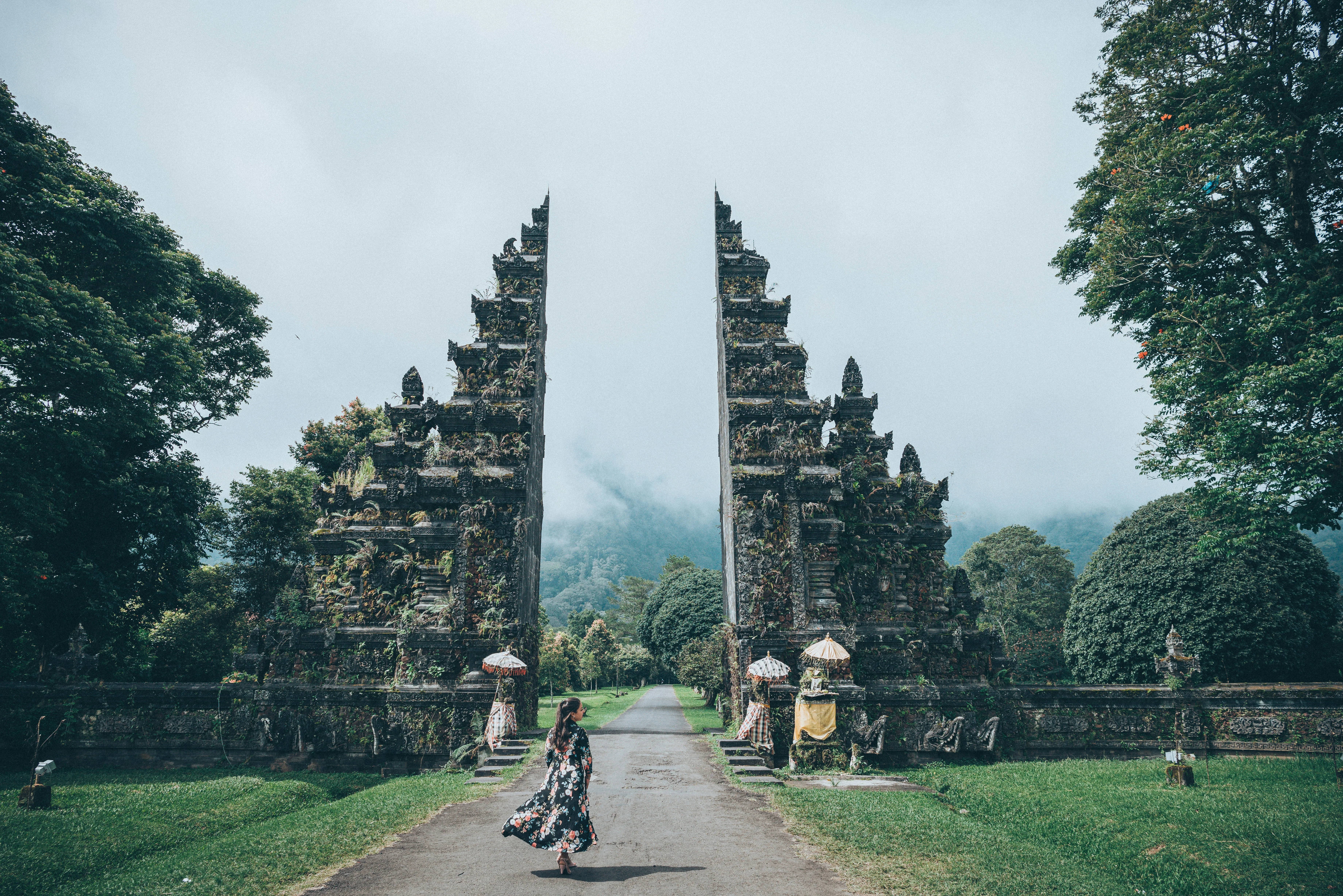
destination
10-Day Bali Wellness Journey: Yoga & Temple Practice
A 10-day Bali itinerary that moves beyond typical yoga retreats to explore authentic temple ceremonies, rice terrace wisdom, and Balinese spiritual practice. Join local teachers, attend rituals, and understand how spirituality is woven into daily life.
Bodhgriha Team
Bodhgriha Institute
Bali has become synonymous with yoga retreats, so much so that it's easy to dismiss it as commercialized or trendy. And yet, beneath the surface-level wellness tourism lies something remarkably authentic: an island where spirituality isn't a luxury commodity but the actual texture of daily life. Every temple ceremony, every morning offering, every rice terrace is infused with spiritual practice woven so deeply into the culture that locals don't even call it "spiritual practice." It's simply how they live.
This 10-day itinerary moves beyond the typical yoga-studio-to-spa-to-rice-terrace circuit. Instead, it's designed to deepen your understanding of Balinese Hinduism, practice alongside local teachers and in temples, and experience the profound difference between wellness tourism and genuine spiritual practice. You'll spend time in Ubud (Bali's cultural heart), in the mountains near Kintamani, and by the ocean in Sanur...each location offering distinct spiritual and physical practices.
The best time to visit is April to October (dry season), when mornings are clear and ceremonies are easier to attend without battling rain. This itinerary assumes you're visiting during this window, though Bali is worth visiting in any season, the monsoon rains simply add texture to the experience.
Day 1-2: Ubud - Arrival and the Temple Rhythm
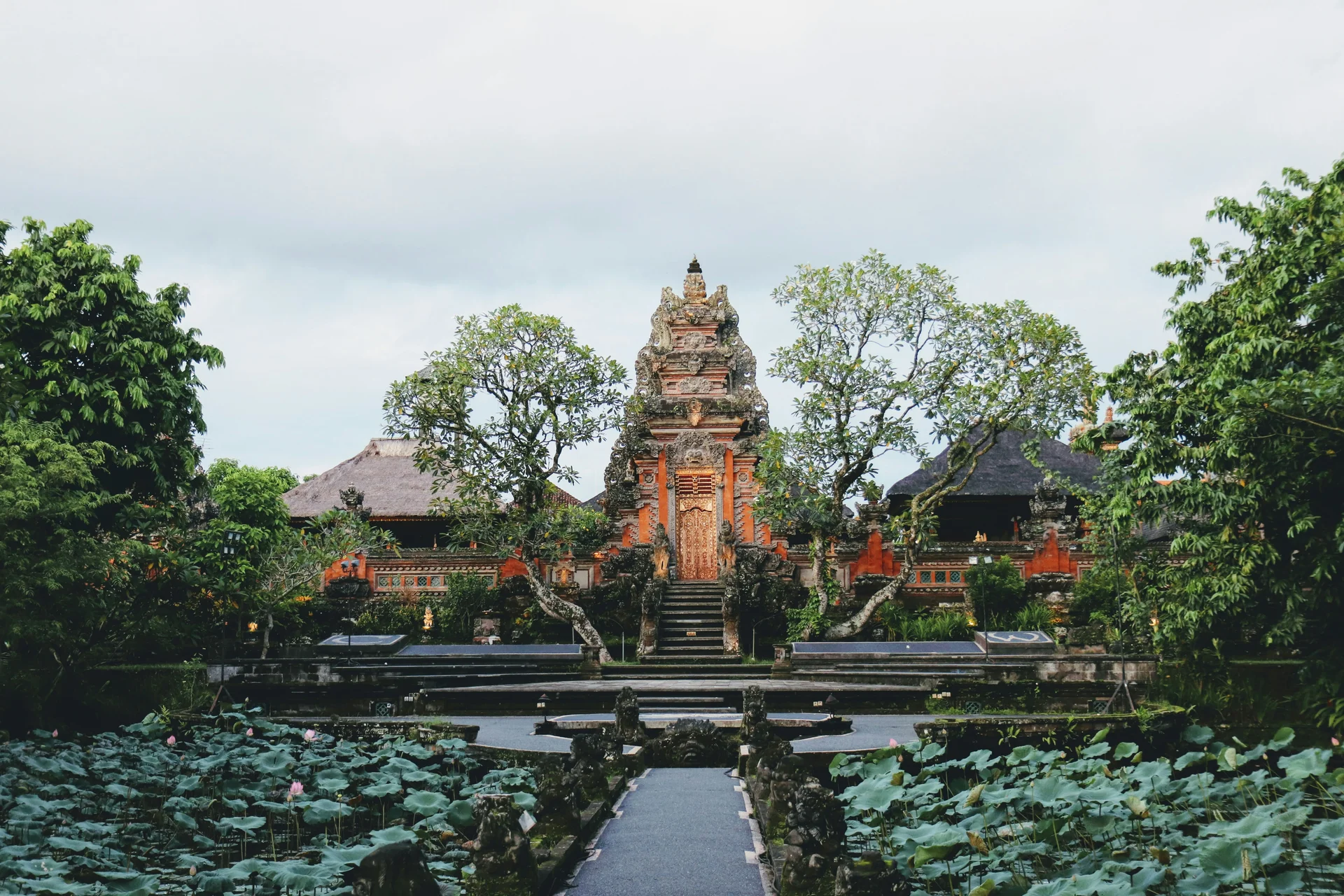
On Day 2, wake before dawn. At 5:30 AM, head to Saraswati Temple in the heart of Ubud's town square. You'll encounter locals arriving with offerings, baskets of flowers, incense, and fruits arranged with meticulous care. You don't need permission to sit and observe. Many temples welcome visitors; simply remove your shoes, dress respectfully (sarongs are provided), and sit quietly.
Watching a Balinese temple ceremony teaches something no yoga class can: it shows you what spiritual practice looks like when it's woven into every single day. Women don't come to the temple on Sundays...they come continually, as naturally as you might walk to your kitchen. Prayer is not separate from life; it's the infrastructure of life.
After the ceremony, walk through Ubud's market. The morning market is where locals buy offerings, vegetables, and fish for that day's meals. Notice the relationships between vendor and customer built through years of daily interaction. This is community as spiritual practice.
Spend the afternoon at Tegalalang Rice Terraces, not as a photo opportunity but as a meditation on agriculture and harmony. Walk the terrace paths slowly. Notice how water flows from terrace to terrace, this system of shared irrigation called subak is an ancient technology that honors collective responsibility and environmental wisdom. UNESCO recognizes it as cultural heritage; it's also simply how Balinese farmers have lived for centuries.
Day 3-4: Kintamani Mountains - Altitude and Temple Ceremony
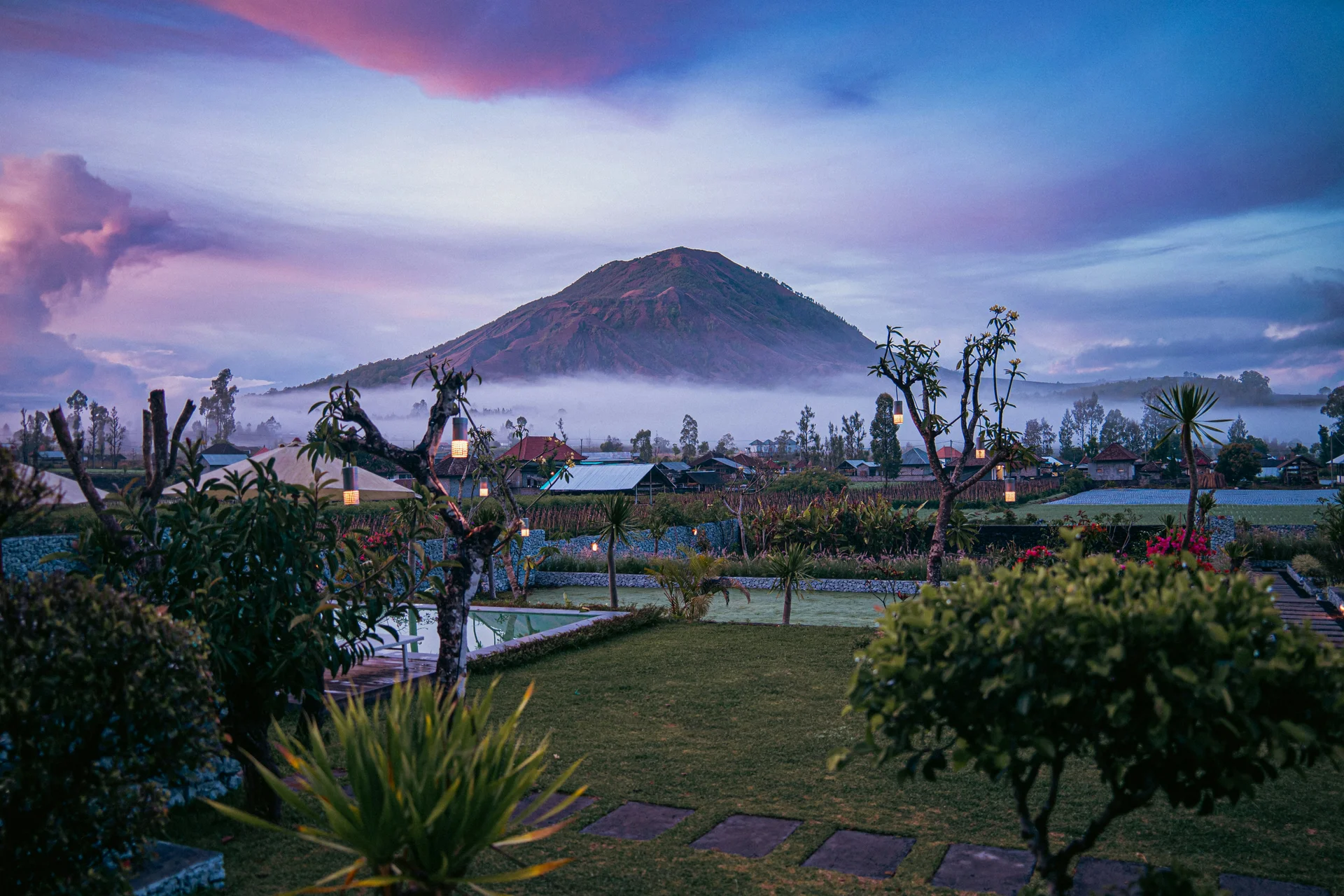
On arrival, visit Pura Ulun Danu Batur, one of Bali's most important temples, perched on the rim overlooking the volcanic lake. The temple sits at 1,717 meters and feels genuinely sacred, not because it's beautiful (though it is), but because you sense the accumulated reverence of centuries. If a ceremony is happening, sit quietly at the temple's edges and observe.
On Day 4, arrange a private session with a local yoga teacher (ask your guesthouse for recommendations). In Kintamani, these are rarely Western-style yoga classes. Instead, you might work with a teacher who practices a blend of Balinese breathwork, movement, and meditation. Practice overlooking the lake at dawn. The altitude creates a different quality in your breath; pay attention to it.
Spend the afternoon visiting a local coffee plantation. Kintamani coffee is world-renowned, but more importantly, the plantation work teaches about patience and seasonal timing. Watch farmers sorting beans. Participate if invited. Then drink the coffee you've just processed, it tastes entirely different when you understand the labor embedded in it.
In the evening, if a major ceremony coincides with your visit (check beforehand), attend. Balinese ceremonies called odalan (temple anniversaries) happen throughout the year. Witnessing one...the music, the processions, the offerings, is to understand Balinese spirituality at a depth no guidebook can convey.
Day 5: Silent Meditation Retreat - One Day of Silence
On Day 5, do something countercultural: spend the day in silence. This doesn't require a formal retreat center. You can do this at your guesthouse. Wake at dawn, meditate for 30 minutes, take a gentle walk in silence, journal, meditate again, rest, and repeat.
The point is to step out of Bali's sensory richness and turn attention inward. After days of observing ceremonies, walking rice terraces, and absorbing cultural practices, your nervous system needs integration. Silence creates space for that.
Day 6: Return to Ubud - Deeper Temple Work
Return to Ubud. By now, you've acclimated; use this day for a more structured yoga practice. Take a class at a legitimate studio (not a resort class, but an actual yoga school teaching Balinese and Indian traditions). Studios like Radiantly Alive or Ubud Yoga House have teachers who've trained in India and bring authentic knowledge.
Alternatively, arrange a private lesson with a teacher who specializes in pranayama (breathwork). Balinese breath practices predate modern yoga; they're often taught quietly, passed down through families or spiritual lineages.
In the evening, visit Goa Gajah (Elephant Cave Temple), an ancient cave sanctuary carved from rock. Sit in meditation inside the cave. The acoustic properties and accumulated energy of the space create a palpable shift in consciousness. This isn't mysticism...it's simply what happens when you sit quietly in spaces where countless people have meditated for over 1,000 years.
Day 7-8: Seminyak - Ocean Practice and Ritual Bathing
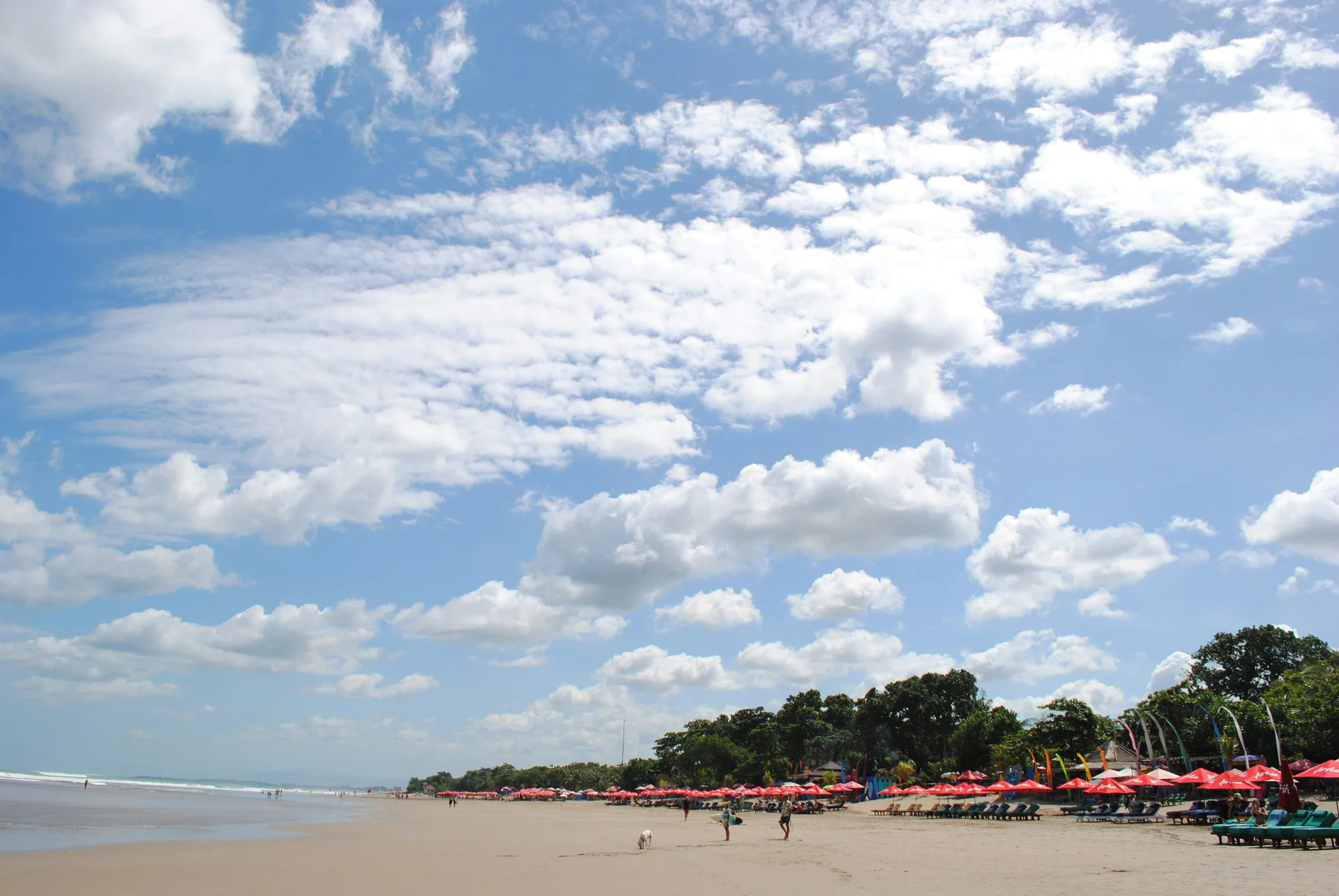
On Day 7, visit Tanah Lot, a famous temple literally set on a rock jutting into the ocean. Watch the sunset from the temple grounds. This is a touristy spot, but attend during the temple ceremony (check timing beforehand) and you'll see locals arriving for genuine ritual, not just photos.
On Day 8, practice yoga at Tegal Wangi, a hidden cave meditation temple just outside Ubud (you can return from Seminyak for this). The cave overlooks terraced rice paddies and a waterfall. Practice asanas here, or simply meditate. The juxtaposition of ancient temple, natural water, and agricultural landscape creates a teaching space where yoga becomes geography.
In Seminyak, visit Pura Petitenget Temple at dawn. If a ceremony is happening, you might participate in ritual bathing or receive blessings. Approach this with genuine respect, not as an experience to consume.
Swim in the ocean. Swimming itself is a practice...notice the temperature of the water, the weight of the ocean, how your body relates to vastness. In yoga philosophy, water represents fluidity, change, and the dissolution of fixed identity. Practice this directly.
Day 9: Sanur - The Spiritual Coast
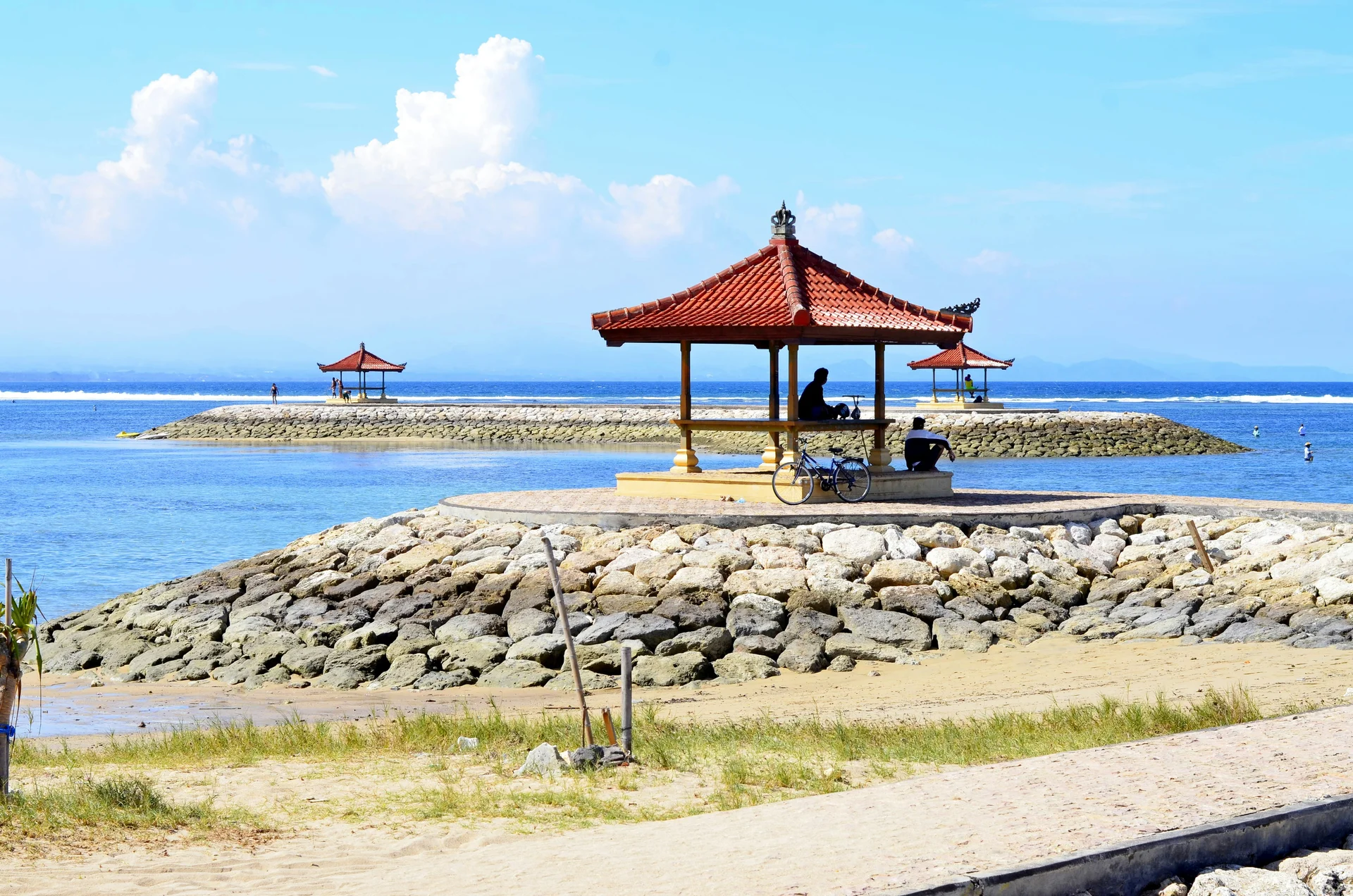
Spend the morning at Pura Sakenan Temple, a significant temple with ocean access. If the temple's ceremony schedule permits, attend. If not, simply sit by the ocean at the temple's edge and meditate.
Take a boat trip to Penida Island, just offshore. Spend a few hours hiking and visiting smaller temples. The island is less developed and feels more raw. This is Bali before tourism, in miniature.
Return to Sanur in the evening. Have dinner by the water, watching fishermen return with their daily catch. Notice how this simple act, boat in, boat out, nets full, community fed...echoes what you've observed throughout the trip: spirituality embedded in practical labor.
Day 10: Integration and Departure
Your final day is for integration. Arrange a massage (Balinese massage is excellent) or simply rest. Journal about what you've observed. Write about the experiences that struck you most deeply.
Before departing, if you have time, visit one temple where you felt most at ease. Sit quietly. Make a small offering if you're inclined (flowers, incense, a few rupiah left in a donation box). Thank the space, the teachers you've encountered, and the island itself.
Practical Wisdom for Bali
Best time: April to October (dry season). November to March is monsoon season...less crowded, greener, more intimate, but wet. Choose based on whether you want ease or texture.
What to bring:
- Sarongs (required for temples; you can buy beautiful ones in Ubud for $2-3)
- A meditation cushion if yours is important to your practice
- Comfortable walking shoes (you'll hike rice terraces and temple grounds)
- A journal for reflection
- Sunscreen and a hat (the sun is intense)
- Modest clothing (temples require shoulders and knees covered)
Budget: Bali is affordable. Budget $40-60 daily for food and mid-range accommodation. Private yoga classes run $15-25. Temple ceremonies are free (small donations appreciated).
Language: English is widely spoken in Ubud and Seminyak. Outside tourist areas, download a translation app. Balinese people are remarkably patient with language barriers.
On cultural sensitivity: You're visiting a place with its own spiritual tradition. Approach temples with genuine respect, not as photo backdrops. If you attend a ceremony, sit quietly and observe; don't take photos during ritual. Ask permission before photographing people. This isn't political correctness...it's basic human decency toward cultures that have survived centuries of colonialism.
Yoga vs. temple visits: There's no contradiction between taking yoga classes and attending temple ceremonies. Both are practices. What matters is the intention: are you seeking genuine understanding, or are you collecting experiences?
Bali teaches something many spiritual tourists miss: that enlightenment isn't foreign. You don't need to travel to find it. But travel can refine your capacity to recognize it.
When you see a Balinese woman arranging a simple offering of flowers and rice, unhurried and sincere, you're witnessing a practice as profound as any yoga asana. When you watch water flow through rice terraces in the pattern it's flowed for over 1,000 years, you're learning about impermanence and collective wisdom. When you sit in an ancient temple overlooking the ocean, you're meditating in a space where countless others have practiced before you.
This is what Bali offers: not a yoga resort where you perfect your handstand and drink green smoothies, but a living culture that shows you what it looks like to practice spirituality as a way of life, not a weekend hobby.
When you return home, you'll carry not just photos but a deeper understanding that yoga is everywhere...in ceremony, in agriculture, in how community is built, in how we relate to water and earth. You'll understand that the "spiritual journey" isn't something you do in Bali; it's something you practice continually, wherever you are.
Last updated July 13, 2026 at 20:03 UTC