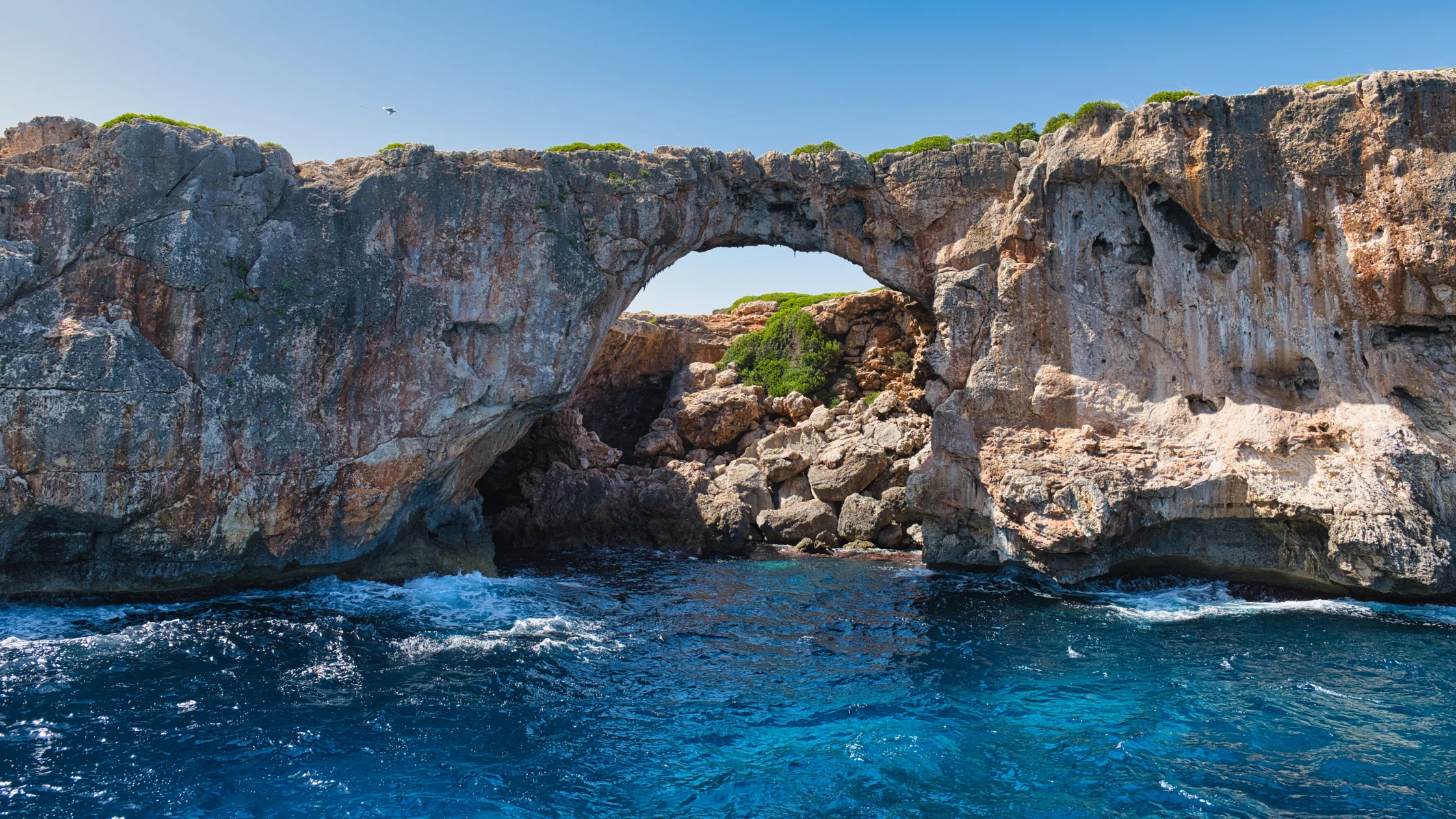
Spain Yoga Retreat Guide: Culture & Coastal Retreats
A complete guide to yoga retreats in Spain ... covering Andalusia, the Pyrenees, the Canary Islands, Ibiza, and Galicia, with regional breakdowns, cost tiers, seasonal timing, and what makes Spain one of Europe's most compelling retreat destinations.
Spain does not do anything quietly.The food arrives in abundance. The evenings stretch past midnight. The architecture is layered with centuries of Moorish geometry, Gothic ambition, and Baroque exuberance and somehow all of it coexists, not in conflict, but in a kind of extravagant harmony. Even the landscape refuses moderation: the Pyrenees in the north, the bone-dry meseta at the centre, the luminous Atlantic coastline of Galicia to the west, and the palm-fringed Mediterranean edges of the south ... each region so distinct it could be its own country.
Which raises an obvious question: what is a yoga retreat doing here?
The answer, once you have spent any time in the Spanish countryside or on its quieter coasts, becomes self-evident. Beneath the noise and the flair lies something deeply still. Ancient pilgrim paths that have been walked for a thousand years. Villages where time moves differently. Olive groves that have been tended by the same families across generations. A relationship to land, to food, to community, and to rest, siesta is not a cliché, it is a philosophy, that aligns, quietly and precisely, with what yoga actually asks of us.
Spain has become one of Europe's most compelling yoga retreat destinations precisely because it offers so much: serious teaching, extraordinary natural environments, world-class food, cultural richness, and a price point that compares well to similar offerings in Italy or France. This guide covers the full picture - where to go, what to spend, what each region delivers, and how to find the retreat that matches where you are in your practice.
Why Spain Works for Yoga Retreats
Several things distinguish Spain from its European peers as a retreat destination.
The diversity of landscape within a single country. Few places on earth pack as much environmental variety into one national border. A practitioner who loves mountain solitude, another who wants ocean breezes and coastal walks, a third who wants to be surrounded by olive groves and ruined castles, all three can find their ideal setting in Spain without compromise.
A food culture built on quality and slowness. Spanish cuisine - particularly in its traditional, regional forms, is extraordinarily well-suited to retreat life. Fresh vegetables, legumes, olive oil, seasonal produce, jamón for the omnivores, an abundance of quality plant-based ingredients for those eating lighter. Meals in Spain are events, not interruptions. This aligns naturally with the retreat philosophy of nourishment as practice.
The Camino culture. Spain is the home of the Camino de Santiago - one of the world's great pilgrimage routes, walked by hundreds of thousands each year. This has created a cultural infrastructure around slow travel, spiritual seeking, and bodily endurance that makes yoga practitioners feel unexpectedly at home. The pilgrim and the practitioner are, in some ways, the same person.
Accessibility from Europe. For European travelers, Spain is often just a short, inexpensive flight away. Ibiza from London, Málaga from Amsterdam, Barcelona from Paris ... the logistics are straightforward in a way that longer-haul destinations simply cannot match.
The Regions: Where in Spain?
Andalusia: Moorish Mysticism and Mediterranean Light
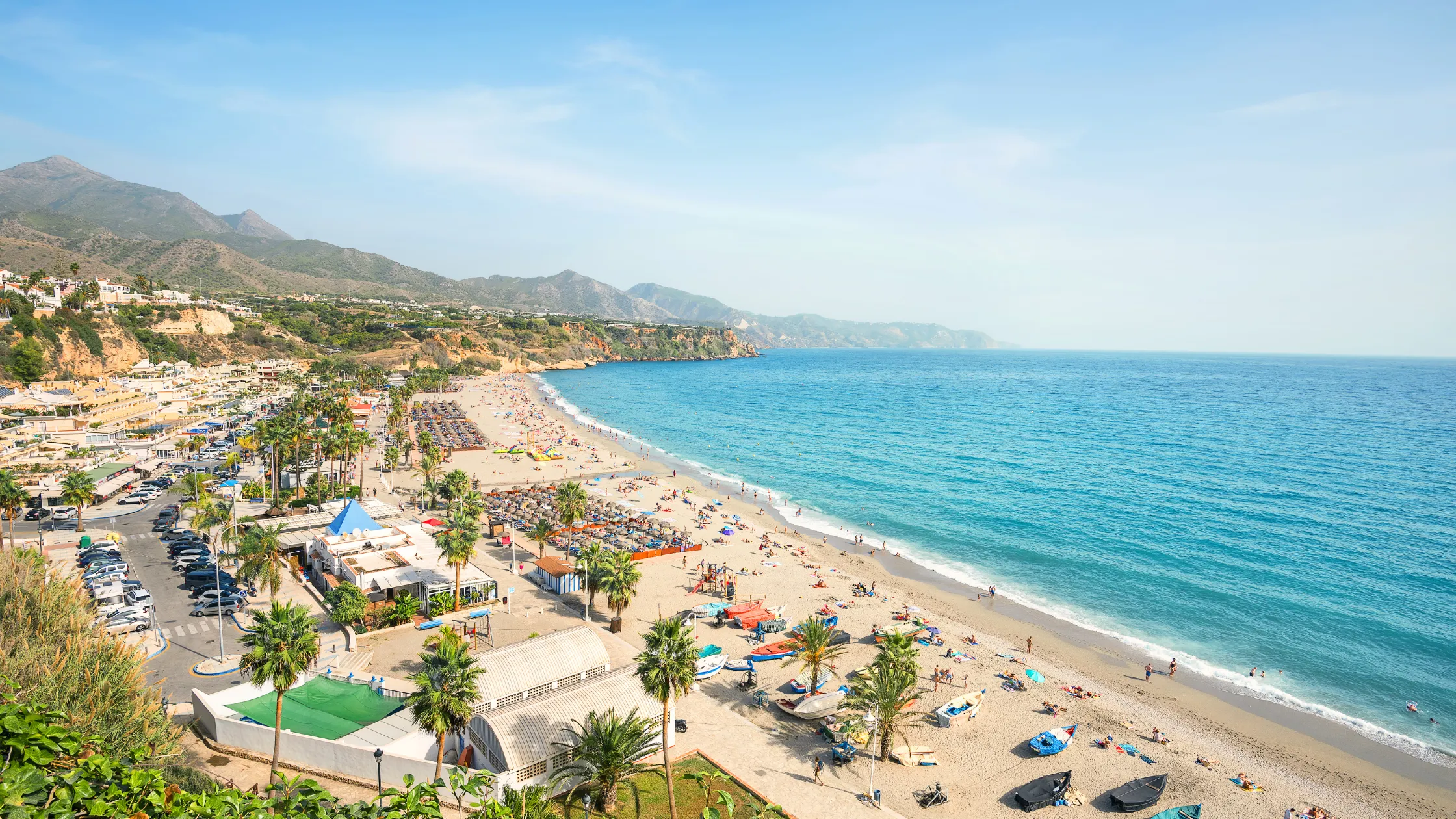 The south is Spain's most layered region ... Moorish palaces in Granada, whitewashed hilltop villages in the Alpujarra mountains, flamenco in Seville's back streets, wild horses on the coast of Tarifa. Andalusia has been shaped by centuries of cultural convergence - Christian, Muslim, Jewish and that layering gives it a distinctive spiritual gravity.
The Alpujarra mountains, rising behind Granada toward the Sierra Nevada, have developed a genuine and well-established yoga and meditation community. Retreats here tend toward the contemplative: small groups, mountain air, traditional farmhouses (cortijos) converted into retreat centers, and a pace of life that strips away urgency almost immediately.
The Costa de la Luz, the Atlantic coast west of Gibraltar - draws practitioners seeking a rawer, more elemental coastal experience. Strong Atlantic winds, vast sandy beaches with minimal development, and a landscape that feels entirely different from the Mediterranean side. Tarifa, at Spain's southernmost tip, has its own yoga scene built around the kite-surfing community and is unusually welcoming to practitioners who want movement alongside their mat time.
Catalonia & the Pyrenees: Mountains, Monasteries, and Depth
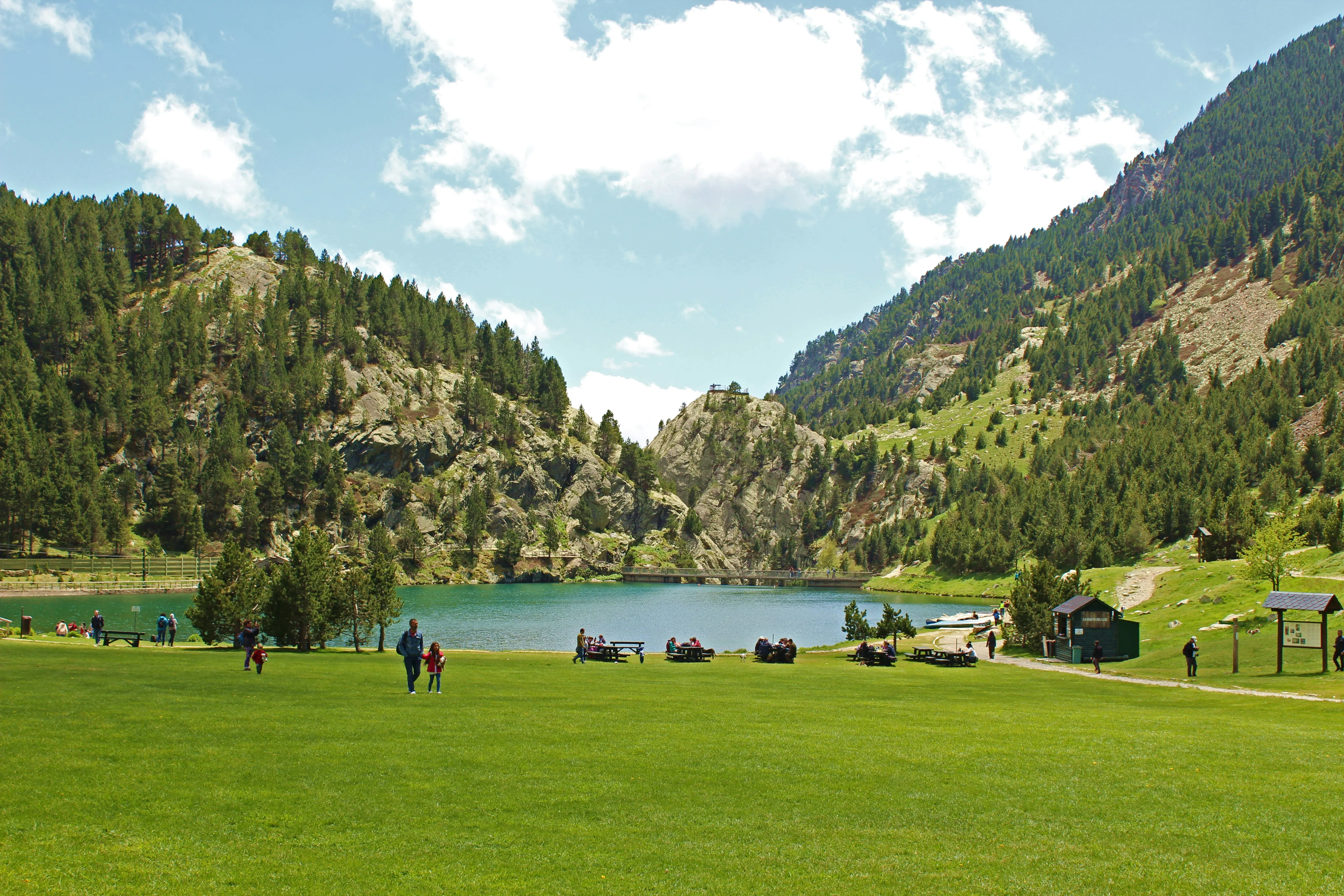 Catalonia offers one of the most striking pairings in European yoga travel: accessible international transport (Barcelona is one of Europe's best-connected cities) combined with extraordinary mountain terrain within two hours of the city.
The Catalan Pyrenees are dramatic- deep valleys, ancient Romanesque churches and monasteries, glacial lakes above the tree line. Several retreat centers have established themselves in this landscape, offering programs that combine yoga with hiking, wild swimming, and the particular quality of silence that high-altitude mountain environments produce.
Barcelona itself has a sophisticated yoga scene ... useful for pre- or post-retreat days. But it is in the mountains and in the slower coastal towns of the Costa Brava that retreat depth is found.
The Canary Islands: Year-Round Sun and Volcanic Drama
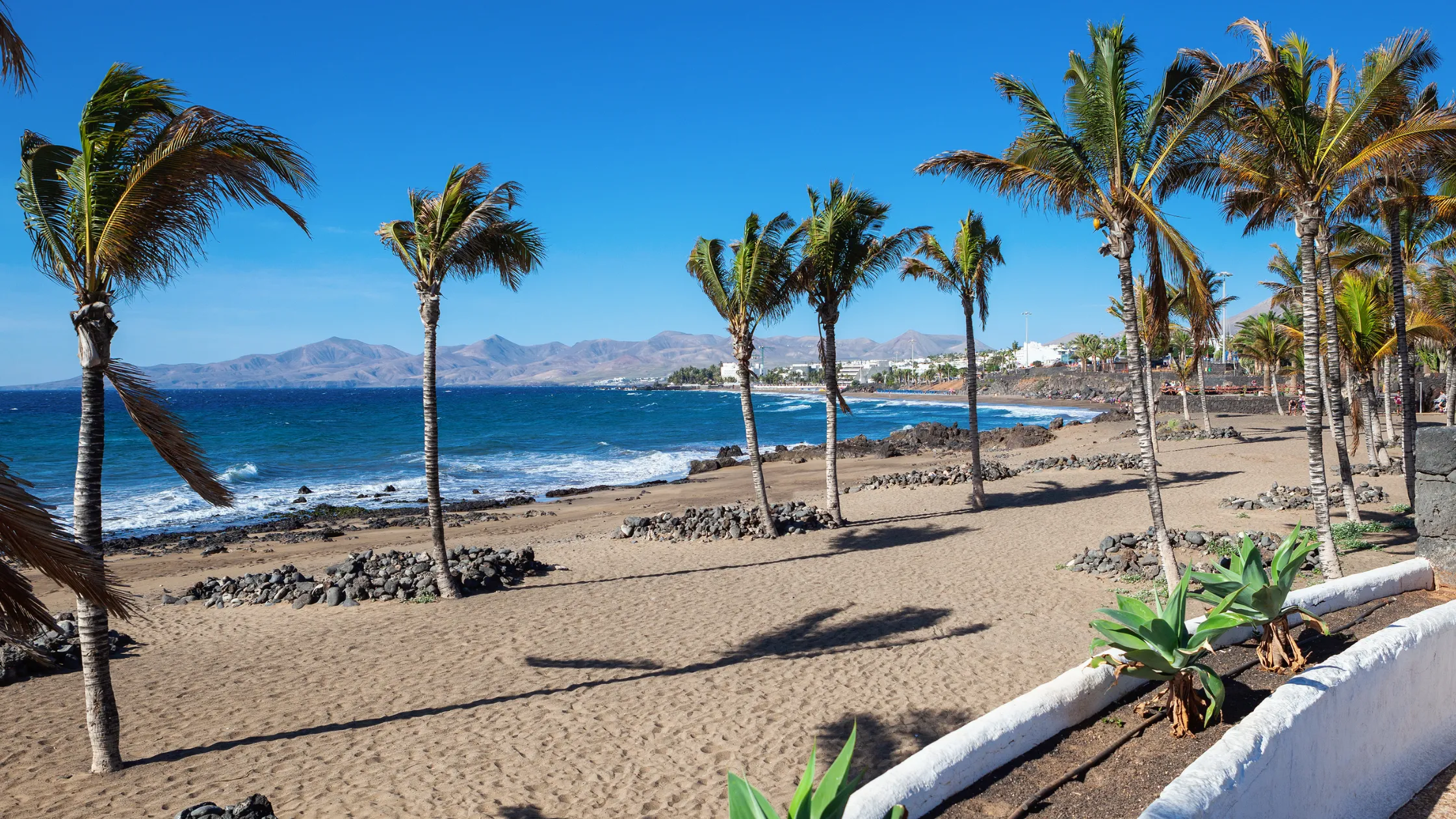 The Canary Islands - technically Spanish territory but geographically off the coast of Morocco ... solve a problem that most European yoga destinations cannot: they work in winter. Tenerife, Gran Canaria, Lanzarote, and La Palma enjoy warm, reliably sunny weather year-round, which makes them the go-to destination for European practitioners seeking a January or February retreat without flying to Asia.
Lanzarote and La Palma in particular attract practitioners drawn to volcanic landscapes ... lunar, primordial, and strangely clarifying. Tenerife's Teide National Park, ringed by cloud below the summit of Spain's highest peak, creates a retreat environment unlike anywhere else in Europe.
Ibiza: Past the Reputation, Into the Real
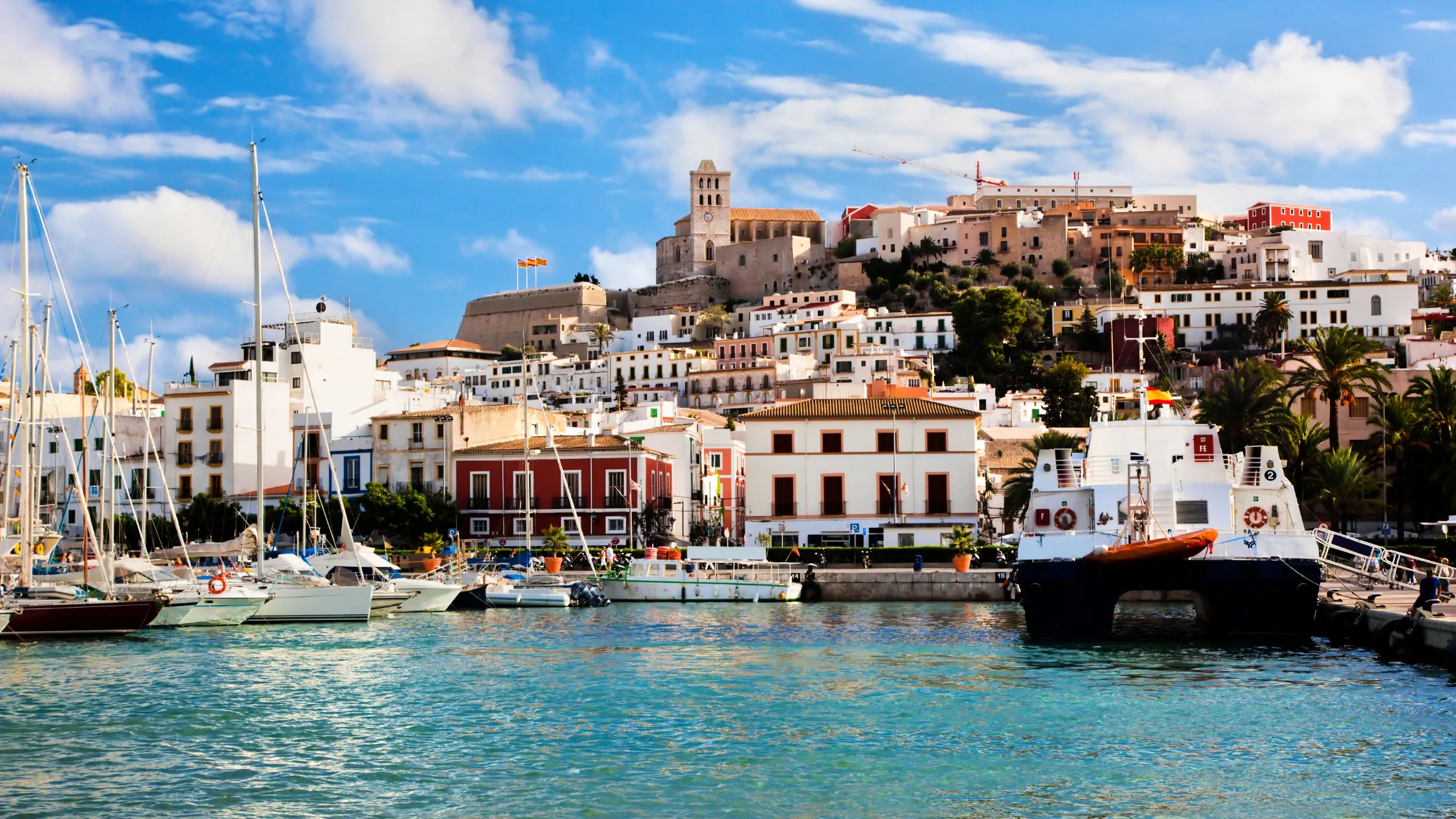 Ibiza has a reputation problem among serious practitioners. The association with nightclubs and excess is not entirely unearned. But behind it, particularly in the island's quieter north and center -exists a yoga and healing community that has been quietly thriving for decades.
The north of the island: fig trees, dry stone walls, fincas converted into retreat centers, mornings so quiet you can hear the olive harvest being shaken into nets. Ibiza's established alternative spiritual community has attracted teachers and practitioners from across Europe who stay not for the parties but for the light, the land, and the remarkable quality of the island's natural environment.
Retreat centers in the north of Ibiza tend toward the intimate and holistic ... small groups, eclectic programs that combine yoga with cacao ceremonies, sound healing, breathwork, and plant-based cuisine. The prices reflect the island's premium position but the quality, at the best centers, justifies them.
Galicia & the Atlantic Coast: Green Spain, Pilgrim Roads
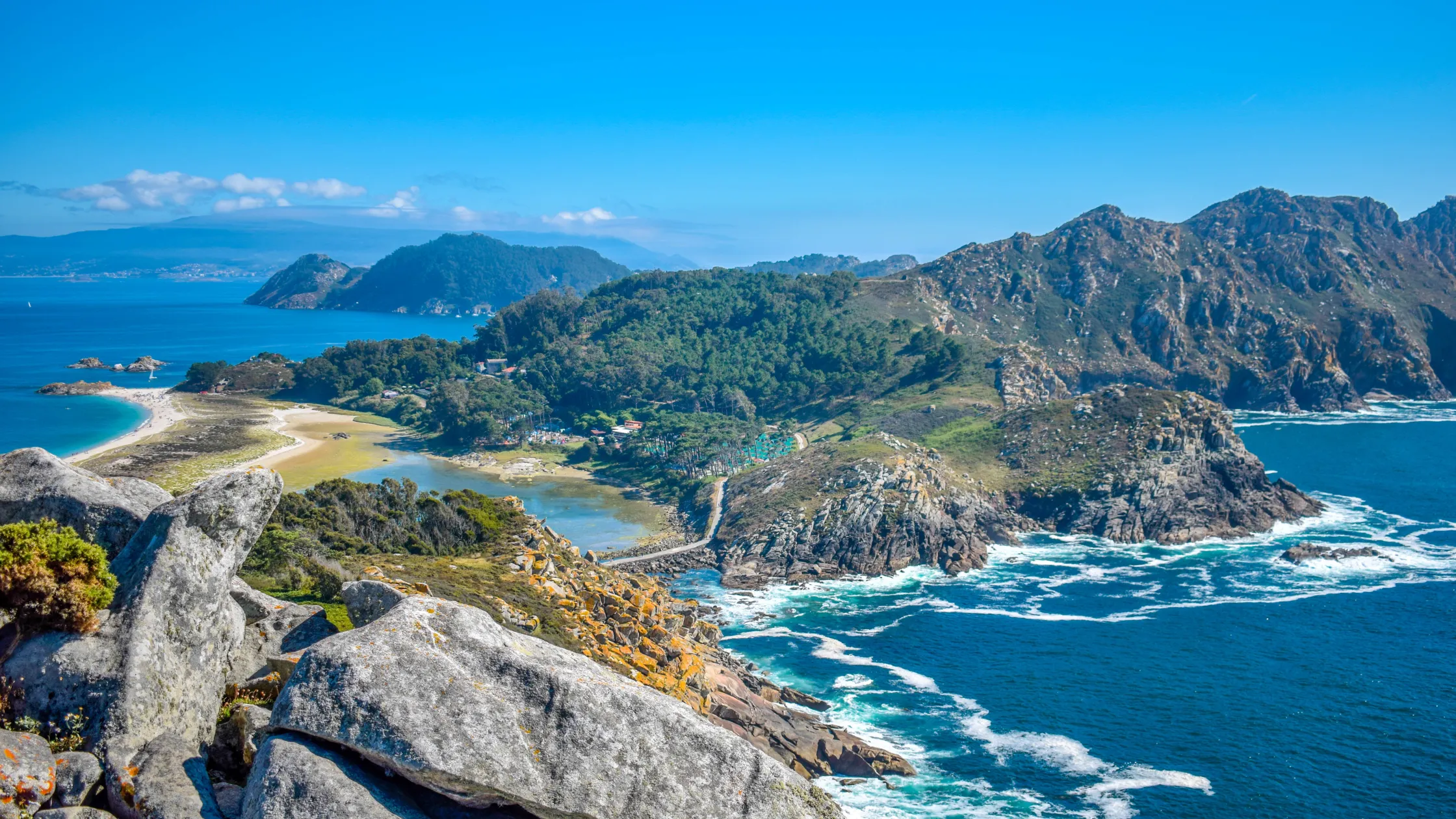 Galicia is the Spain most people have not yet discovered. The northwest corner of the country- lush, rainy, Celtic in character, crossed by the final stages of the Camino de Santiago ... offers a yoga retreat experience unlike anything else in the country.
The landscape here is dramatically different from Andalusia or Catalonia: deep green valleys, granite villages, wild Atlantic beaches called rías, a cuisine built around seafood and empanadas and excellent Albariño wine. Retreats in Galicia attract practitioners drawn to immersive nature, walking as practice, and a slower, more inward-looking experience.
The Camino connection is not incidental. Several retreat programs in Galicia incorporate a segment of the Camino into their schedule ... walking meditation in motion, the body as pilgrim, arrival at Santiago de Compostela as a collective practice of completion. It is unlike any other yoga retreat format in Europe.
Cost Breakdown: What to Expect at Each Tier
Spain spans a wide range of price points depending on region, season, and accommodation standard.
| Tier | 7-Day All-In Cost | Best Regions | Typical Setting |
|---|---|---|---|
| Budget | €600 – €1,100 | Andalusia, Galicia | Shared rooms, rural farmhouse, simple meals |
| Mid-Range | €1,100 – €2,500 | Pyrenees, Canary Islands, Costa de la Luz | Private rooms, dedicated shala, curated menus |
| Premium | €2,500 – €4,500 | Ibiza, Tenerife, Catalonia coast | Boutique finca or villa, small groups, spa access |
| Luxury | €4,500+ | Ibiza north, Marbella, Lanzarote | Private villa, 1:1 instruction, bespoke programs |
Within Europe, Spain sits at a moderate to slightly premium price point ... more affordable than Switzerland or Scandinavia, broadly comparable to Portugal, and slightly more expensive than Eastern Europe. The Canary Islands and Ibiza attract premium pricing due to demand and infrastructure; Andalusia and Galicia offer some of the best value on the continent.
The Yoga Scene: Styles and Depth
Spain's yoga scene has matured considerably in the past decade. The country now hosts a genuinely diverse range of teaching styles and retreat formats.
Vinyasa and contemporary flow dominate the coastal retreat scene ... physically dynamic, accessible, and well-suited to the active, outdoors-oriented culture of Spanish retreat life.
Yin and Restorative have found strong footing particularly in mountain and rural retreat settings, where the environment itself invites slowness and the program naturally paces toward recovery.
Hatha and classical traditions are available at the more philosophically oriented centers, particularly in Andalusia and among retreat leaders who have studied in India and brought structured lineage-based programs back to Spain.
Yoga Teacher Trainings (YTT) are increasingly well-represented. A 200-hour training in Spain typically runs €1,800–€3,200 all-inclusive ... more expensive than Asia, but offering the logistical ease, food quality, and natural beauty that makes Spain a compelling option for European practitioners who cannot or do not want to travel long-haul for their certification.
Seasonal Timing
Spain's climatic diversity means there is always a suitable region, regardless of when you travel.
Spring (April–June): Ideal across nearly all regions. Wildflowers in Andalusia, mild temperatures in the mountains, warm enough for outdoor practice on the coasts without summer heat. The Alpujarras are particularly beautiful in late April and May.
Summer (July–August): Hot inland, glorious on the northern coasts. Galicia, the Basque Country, and the Asturian coast offer relief from the heat with cooler Atlantic air. The Pyrenees are fully accessible and at their most spectacular.
Autumn (September–October): The sweet spot for many practitioners ... crowds have thinned, temperatures have softened, the light has turned amber and cinematic. Ibiza in September is a completely different island from Ibiza in July.
Winter (November–March): The Canary Islands carry the season. Mainland Spain is cold in the north and cool but manageable in Andalusia. Several centers in the south continue operations year-round.
"I had always imagined Spain as a summer destination - crowded beaches, relentless heat. The autumn retreat I eventually booked, in a cortijo in the hills above Tarifa, was one of the most quietly beautiful experiences of my life. The light, the wind, the silence after the tourists leave. Spain gave me something I didn't know I was looking for." -A practitioner reflecting on a retreat in Andalusia
What Spain Offers That Other Destinations Don't
Every major yoga retreat destination carries a signature gift. Thailand offers range and value. Bali offers sacred cultural immersion. India offers lineage and source depth. Costa Rica offers the yoga-surf synthesis.
Spain's signature gift is civilizational beauty in service of slowing down.
The art, the architecture, the food, the centuries of human meaning-making embedded in the landscape - all of it creates a context in which a yoga retreat becomes not just a physical or spiritual practice but a cultural encounter. Walking from your morning class to a Romanesque monastery that has stood for nine hundred years does something to your sense of scale. Eating a slow lunch of local cheeses, bread, and membrillo after a restorative practice does something to your relationship with nourishment. These are not incidental details. They are part of the practice.
Practical tips
Getting there: Spain is one of Europe's most connected countries. Budget airlines serve dozens of regional airports ... Málaga, Seville, Palma, Santa Cruz de Tenerife, Ibiza- making access from most European cities inexpensive and fast. From North America, direct flights to Madrid or Barcelona are frequent.
Language: Spanish is universal; Catalan, Galician, and Basque are spoken in their respective regions. In retreat settings, English is widely used and almost universally understood.
Food and dietary needs: Spain's food culture is omnivore-forward but plant-based options are increasingly available, and retreat centers consistently offer vegetarian and vegan menus. Celiac travelers will find Spain unusually well-catered .. awareness of gluten intolerance is high, particularly in the south.
Getting around: A rental car dramatically opens up rural Spain. Most mountain and countryside retreats are not accessible by public transport. Within cities, trains and buses are excellent.
Spain is a country that knows how to live. Not in the frantic, optimize-everything sense that passes for living in so many modern cities but in the older sense. The sense that involves long afternoons, good food, the company of people you care about, and the willingness to let a conversation run past midnight without checking your phone.
This is not so different from what yoga asks. To be present. To bring your full attention to what is happening right now. To trust that the moment you are in is sufficient, not a stepping stone to some future moment that will be more worthy of your attention.
A retreat in Spain does not require you to travel far from your ordinary comforts. It asks only that you arrive ... fully, unhurriedly, open to being surprised by a country that has been quietly teaching this lesson for centuries.
The mat awaits. So does the view. So does the slow lunch afterward, in the shade, with people who came for the same reason you did.