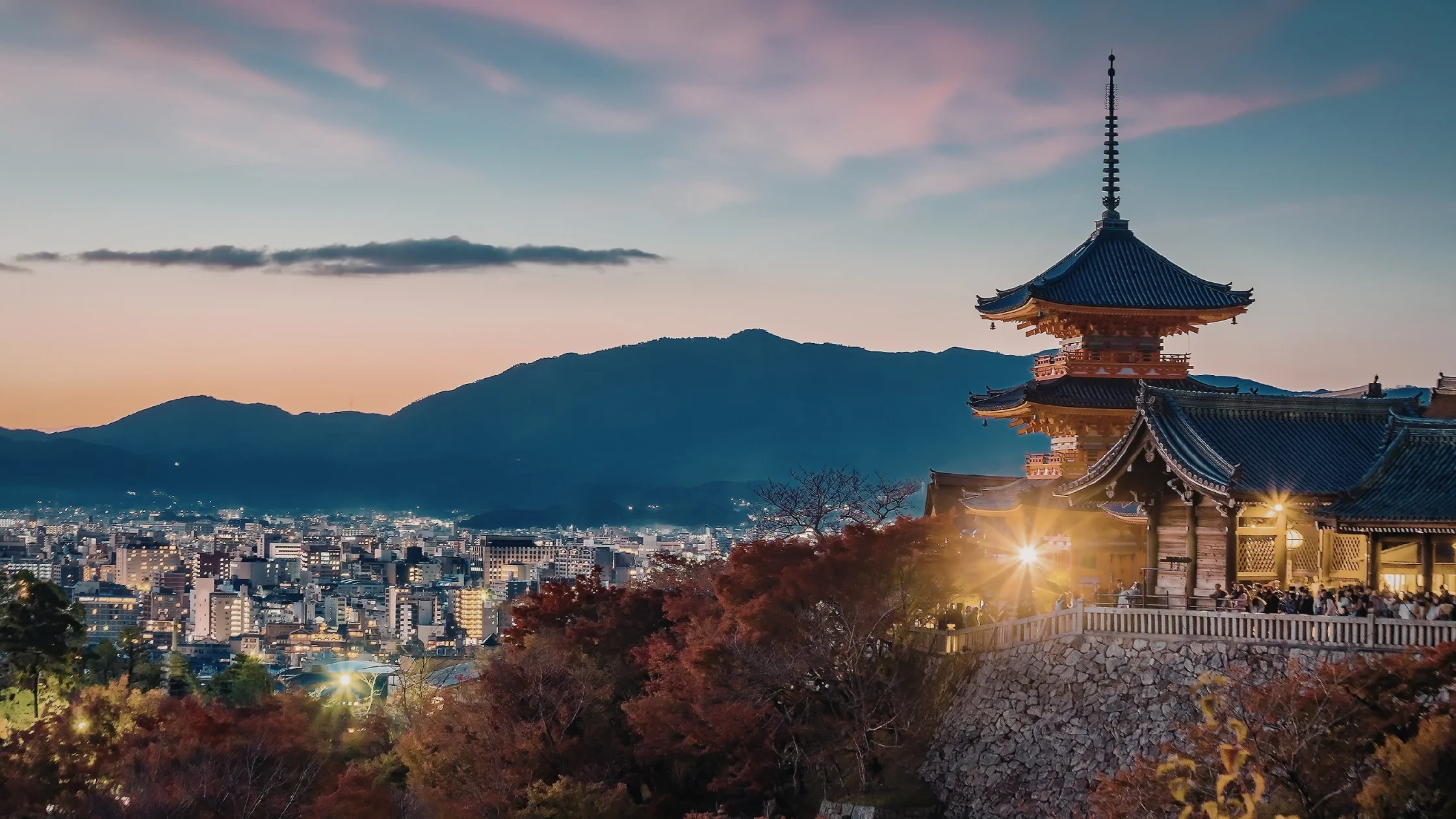
destination
Japan Wellness Retreat Guide: Zen, Onsen & Stillness
A deep guide to wellness retreats in Japan... exploring Zen temple stays, volcanic onsen bathing, forest bathing, shojin ryori cuisine, and the regions that offer the most profound stillness: Kyoto, the Japanese Alps, Hakone, and Yakushima.
Bodhgriha Institute
There is a concept in Japanese called ma ... the word translates, imprecisely, as negative space. The pause between notes. The emptiness inside a room that gives the room its meaning. The silence after a bell has rung and before the world rushes back in.
Western minds tend to fill space. Japanese aesthetics tend to honour it.
This single difference explains more about why Japan works as a wellness destination than any list of attractions could. To arrive in Japan, particularly outside its great cities, in the mountain villages and temple towns and forested valleys that hold most of its wellness offerings, is to encounter a culture that has been refining the art of stillness for more than a thousand years. Not as a retreat from life, but as its deepest expression.
Yoga as it is practised in Japan sits within a broader wellness culture that includes Zen Buddhism, Shinto forest ritual, the ancient restorative technology of the onsen hot spring, the meditative precision of the tea ceremony, and a philosophy of nourishment expressed in shojin ryori - the pure vegetarian cuisine of Buddhist temples. These are not incidental backdrops to a retreat. They are the retreat, as much as any morning asana class.
This guide is for practitioners who feel the pull of Japan ... who want not just a week of good yoga but an encounter with a civilization that has been quietly teaching what yoga teaches, in its own language, for centuries.
Why Japan Is Different
Every major wellness destination has its signature gift. Bali offers sacred living culture. India offers lineage and philosophical depth. Thailand offers range and extraordinary value. Spain offers civilizational beauty in service of slowing down.
Japan's gift is harder to name but easier to feel: it is the experience of a culture where precision and care are forms of devotion.
Watch a Japanese inn-keeper arrange a single branch of cherry blossom in a ceramic vase. Watch a monk rake gravel in a Zen garden into patterns that will be raked again tomorrow, and the day after, and the year after, without attachment to their permanence. Watch a chef at a kaiseki restaurant place three slices of daikon on a lacquer dish as if the placement were a form of prayer.
This is not performance. It is a way of being in the world, the same way of being that yoga, at its deepest, is trying to cultivate. Attention. Care. Presence without grasping. The willingness to do one thing completely.
A retreat in Japan does not need to offer anything exotic to be transformative. It simply needs to put you inside this culture long enough for some of it to reach you.
The Landscape: Where in Japan?
Japan is a country of extraordinary geographic variety ... volcanic islands, subtropical forests, alpine ranges, ancient cedar groves, and a coastline that stretches across four main islands and thousands of smaller ones. For wellness retreats, four regions define the map.
Kyoto & the Kinki Region: Temple Culture and Inner Architecture
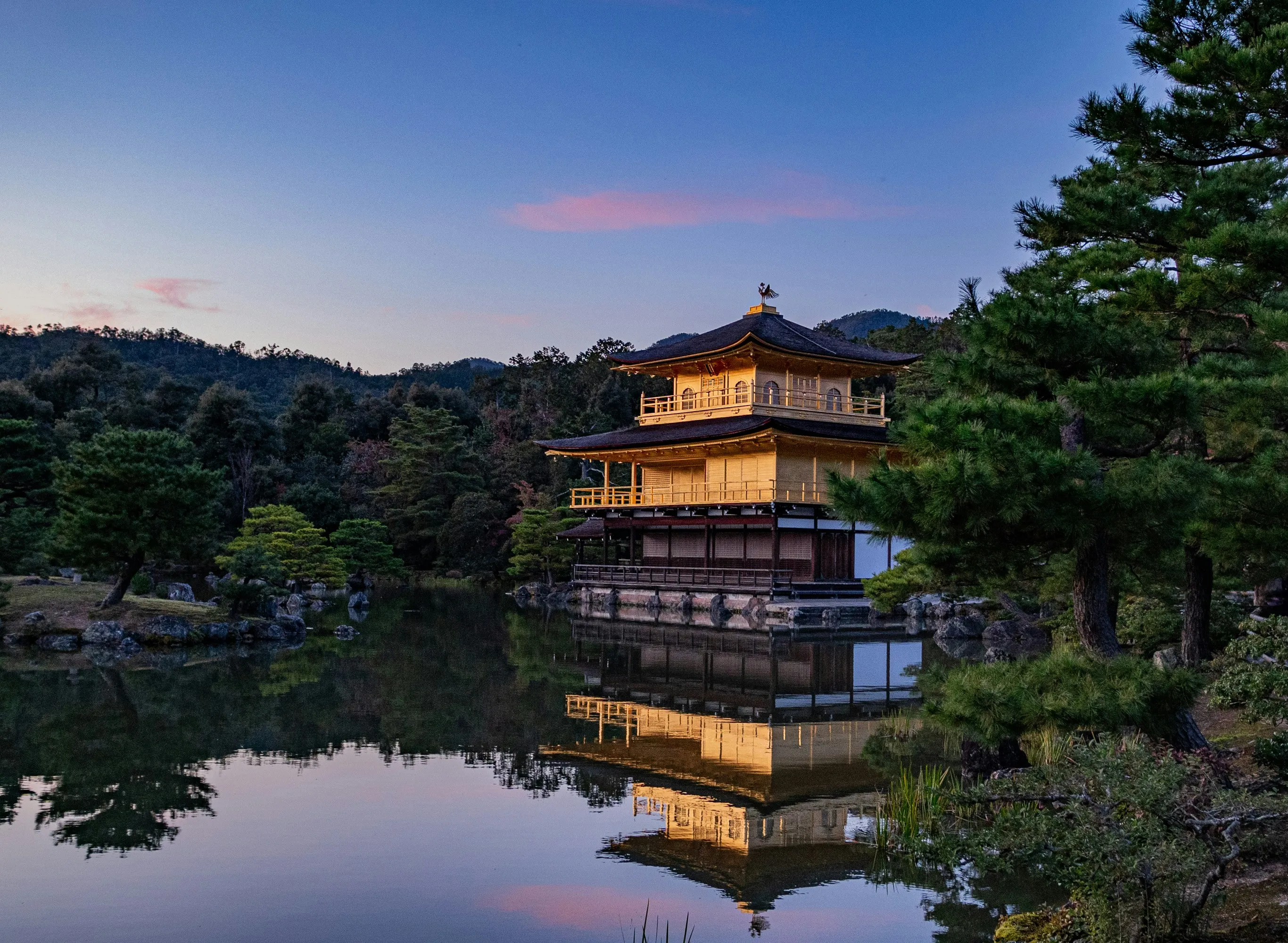 Kyoto was Japan's imperial capital for over a thousand years, and it carries that history in its bones. More than 1,600 temples and shrines. Ancient geisha districts where tradition is not museum-piece but living practice. Gardens designed to be walked slowly, in silence, with full attention. The Arashiyama bamboo grove at dawn. Fushimi Inari at dusk, the vermillion torii gates receding into the mountain.
For wellness retreats rooted in Zen practice, philosophy, and cultural immersion, Kyoto remains unmatched. Several temples now offer temple stays (shukubo) ... accommodation within monastery walls that includes participation in morning sutras, zazen meditation, and shojin ryori meals. These are not tourist experiences dressed as spiritual ones. They are the real thing, offered with genuine hospitality.
Retreat centers and yoga studios in and around Kyoto increasingly combine asana practice with Zen sitting, tea ceremony, calligraphy, and guided temple visits ... recognizing that in Japan, the path toward stillness runs through culture as much as through any formal practice.
The Japanese Alps: Mountain Silence and Forest Bathing
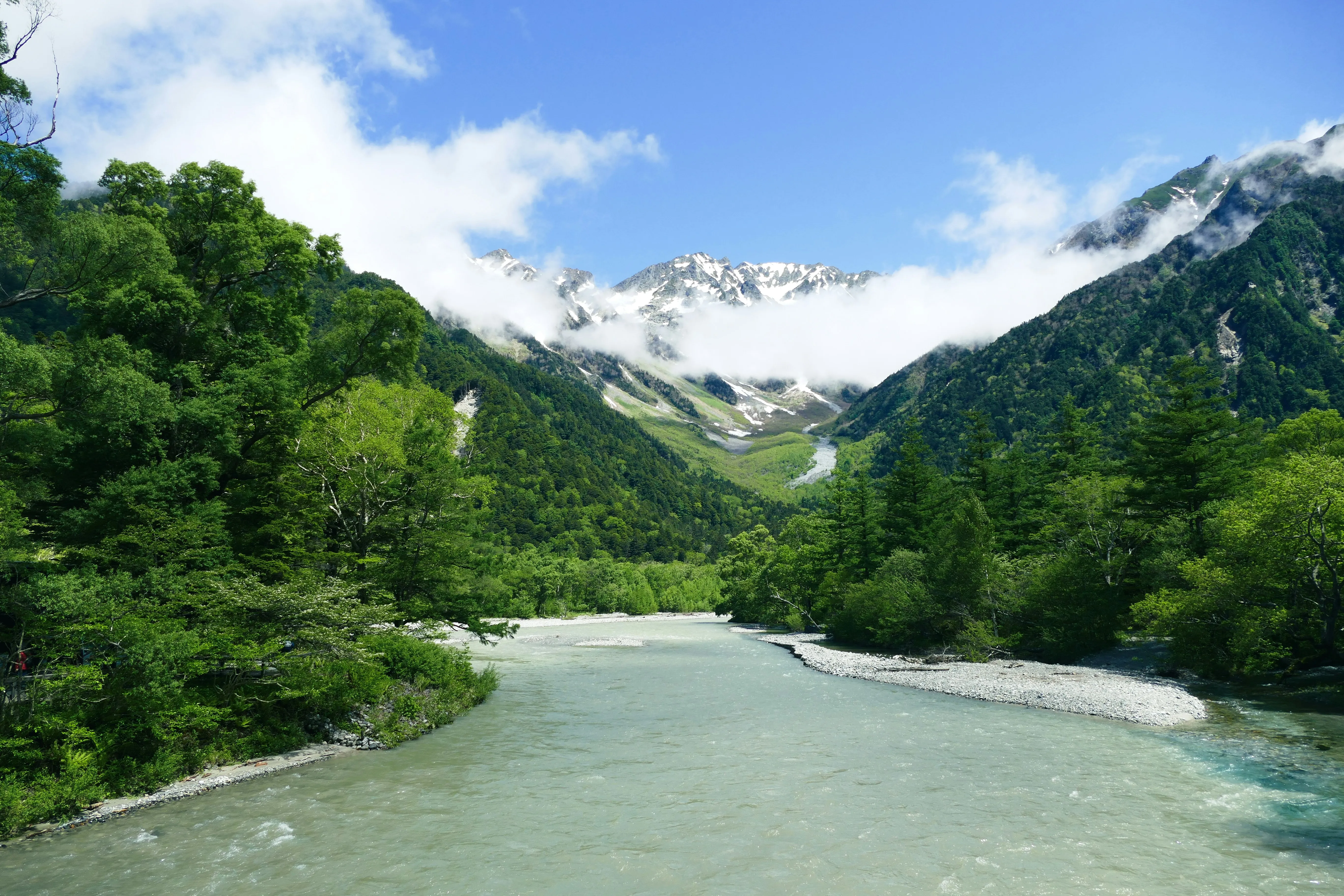 The Nagano prefecture ... site of the 1998 Winter Olympics, sits at the heart of the Japanese Alps, and it is here that some of Japan's most profound wellness experiences are available. The region is home to Jigokudani, where wild snow monkeys bathe in hot springs beside temple ruins. To Zenko-ji, one of Japan's most important Buddhist pilgrimage sites, drawing millions of visitors across denominations. And to a landscape of beech forests, alpine meadows, and volcanic peaks that feels entirely primordial.
The practice of shinrin-yoku - forest bathing ... was formally developed in Japan in the 1980s, but the underlying idea is ancient: that time spent slowly, attentively, inside a forest produces measurable physiological changes. Lower cortisol. Reduced blood pressure. A quietening of the nervous system that no meditation app has yet replicated. In Nagano's forests, this is not a wellness trend. It is simply what the place does to you.
The Izu Peninsula & Hakone: Onsen Country Within Reach
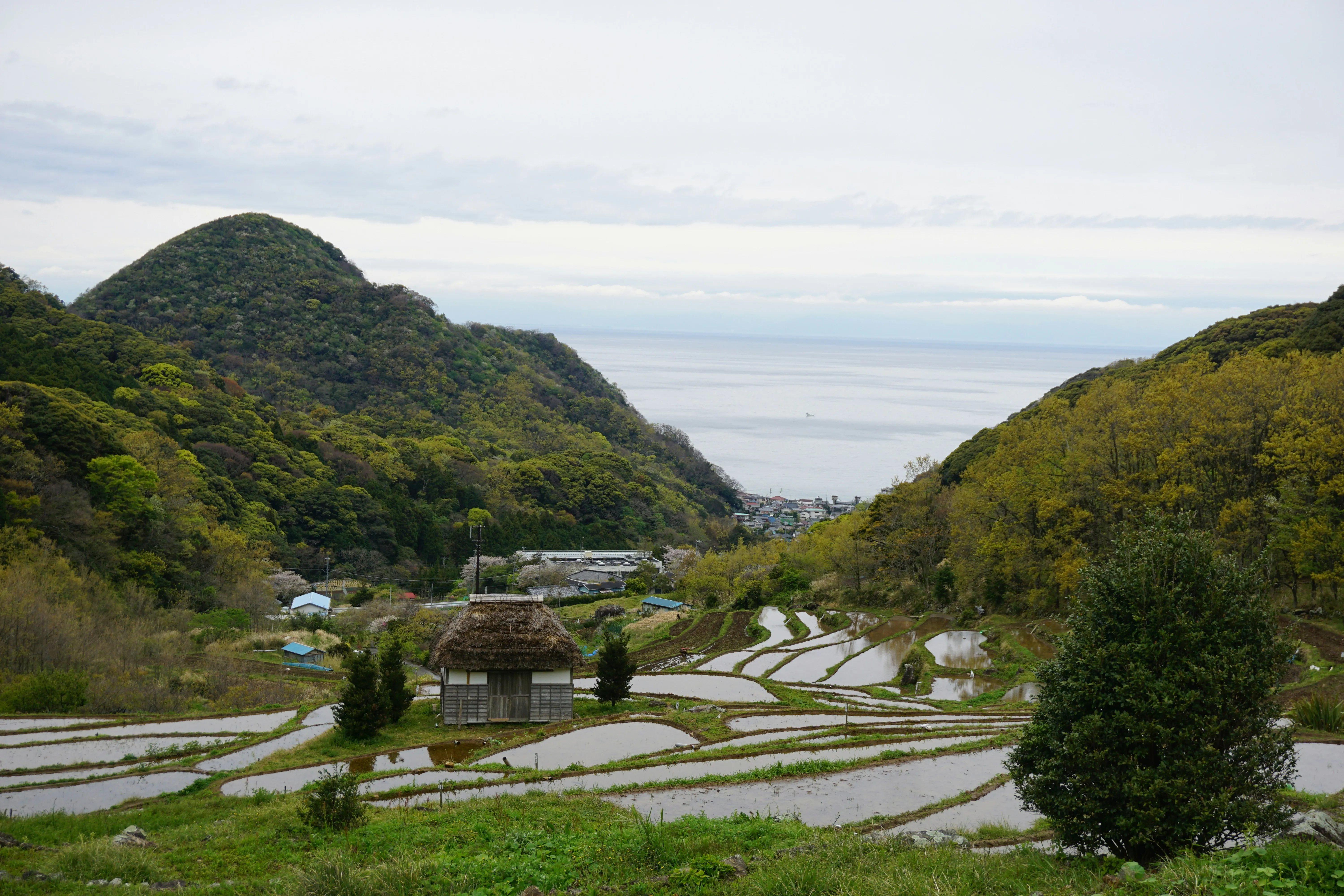 An hour and a half south of Tokyo, the Izu Peninsula and the Hakone region offer a concentrated version of what Japan does best: volcanic hot springs, ryokan inns, views of Mount Fuji across still water, and a quality of landscape that seems designed for contemplation.
This is Japan's most accessible wellness region for international travelers ... close enough to Tokyo to arrive without internal flights, developed enough to offer exceptional accommodation and dining, and still wild enough to feel genuinely restorative. Hakone's outdoor onsen with views of Fuji at sunrise is, simply, one of the most beautiful things available to a human body.
Retreat programs in this region tend to combine morning yoga with onsen bathing, forest walks, and traditional ryokan hospitality ... the particular attentiveness of Japanese inn-keeping that treats every detail of a guest's comfort as a practice in its own right.
Yakushima & Southern Islands: Ancient Forest, Primal Silence
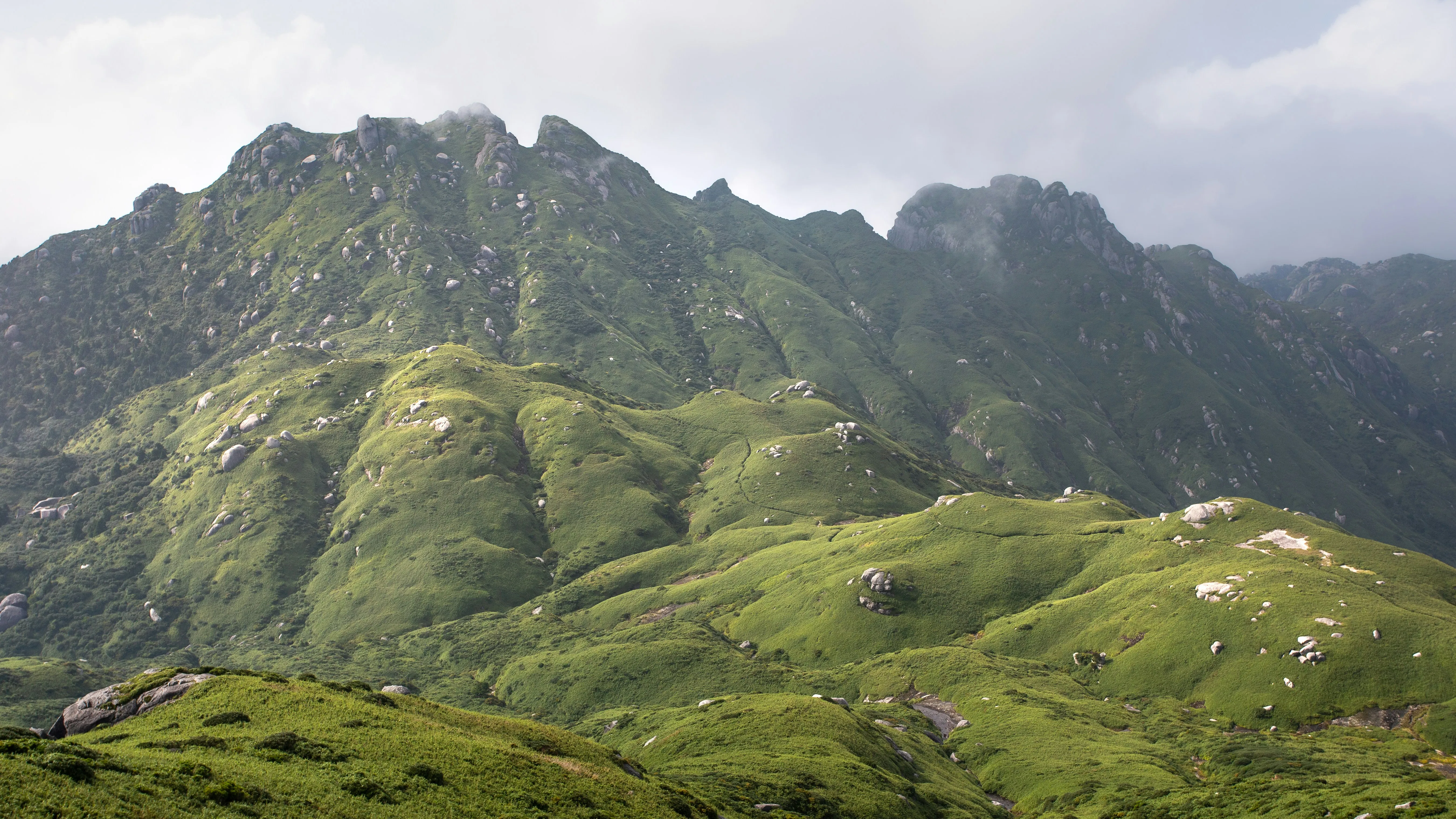 For practitioners seeking something more elemental, Yakushima - a small island off the southern tip of Kyushu, offers an experience unlike anything else in Japan. The island's interior is covered by ancient cedar forest; some of the trees are estimated to be over seven thousand years old. The Jomon Sugi, the island's most ancient cedar, is believed to be between two and seven thousand years old. Standing beside it, in the dripping, moss-covered silence of a forest that existed before recorded human history, produces a quality of humility that is indistinguishable from prayer.
Retreats on Yakushima are small, intimate, and rare ... the island's protected status limits development but for practitioners drawn to deep nature immersion, this is one of the most extraordinary environments on earth.
The Onsen: Ancient Technology for Modern Exhaustion
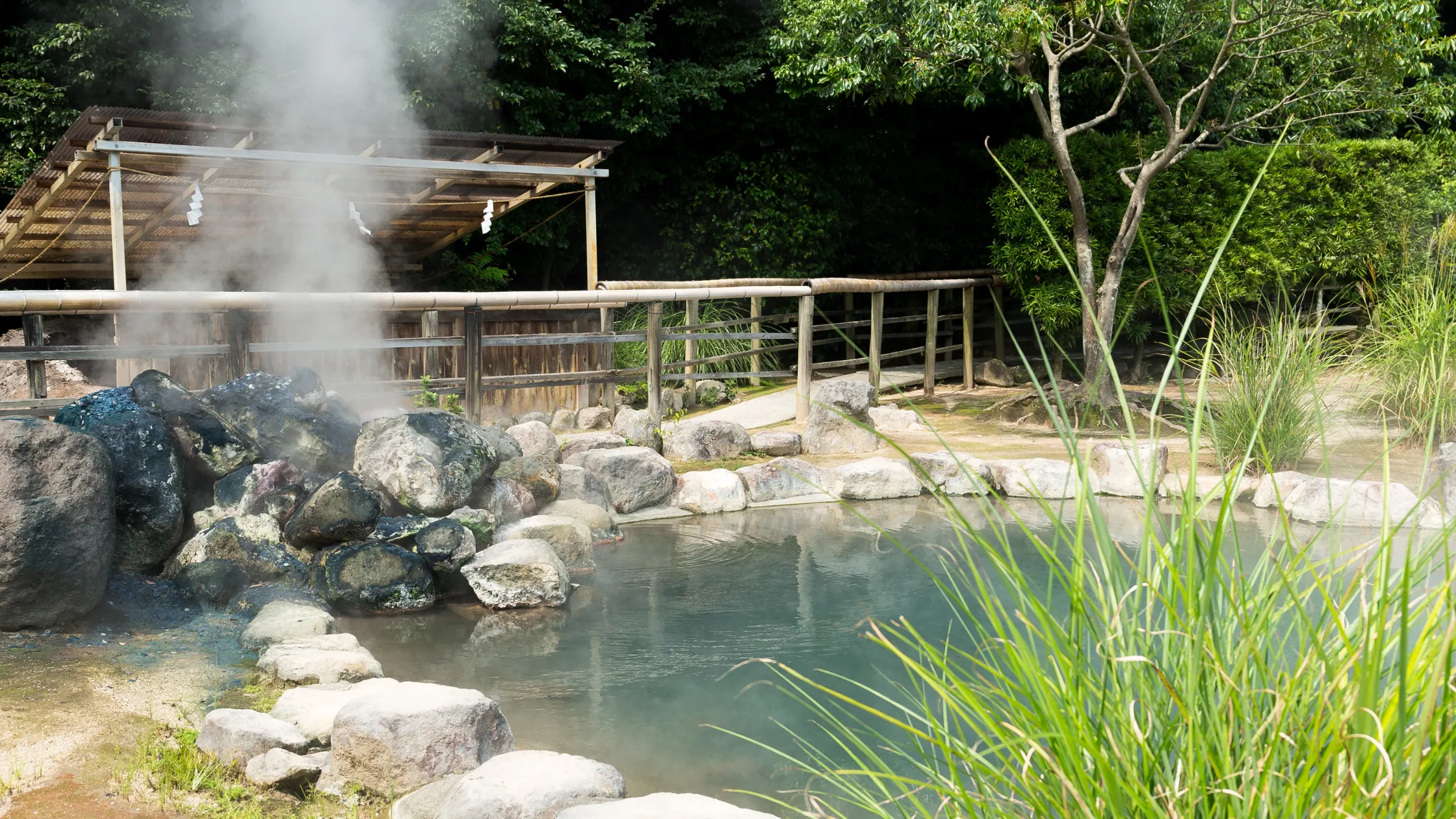 No guide to Japanese wellness is complete without honest attention to the onsen - the volcanic hot spring bath that is, for many travelers, the single most restorative experience Japan offers.
Japan sits on one of the world's most geothermally active zones, and the result is thousands of natural hot springs, each with different mineral compositions producing different therapeutic effects. Sulfurous springs for skin. Sodium springs for relaxation. Iron-rich springs for circulation. Carbon dioxide springs that cause the skin to absorb CO₂, producing a warming effect that can last for hours.
The ritual of the onsen is as important as the water. You bathe before entering, thoroughly, carefully. You enter without rushing. You sit in water of between 40–42°C, which is hot enough to slow the entire system, and you do nothing. Not meditating, exactly. Not sleeping. Something in between ... a kind of practiced surrender to warmth and stillness that the Japanese have been refining for fifteen centuries.
"I had been on retreat before ...in India, in Bali, in Spain. Nothing prepared me for the onsen at dawn, in the mountains, with snow falling into the steam. It was the most complete absence of thought I have ever experienced. Not a single concept arose. There was just the heat, and the snow, and the silence." - A practitioner reflecting on a retreat in Nagano
The combination of yoga and onsen bathing is deeply complementary. Morning asana opens the body; the onsen in the evening completes the release. Muscles that resisted the morning's practice soften completely in the water. The next day's practice begins from a different baseline.
Shojin Ryori: Temple Cuisine as Practice
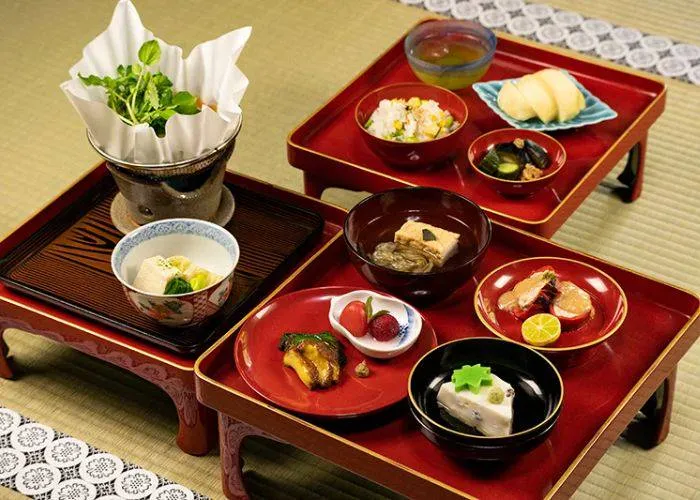 The food of a Japanese wellness retreat deserves its own consideration, because it is unlike what you will find almost anywhere else.
Shojin ryori is the vegetarian cuisine of Buddhist temples ... developed over centuries of monastic life, rooted in the principle of not taking life, and evolved into one of the most sophisticated plant-based culinary traditions on earth. It uses no meat, no fish, no eggs, no alliums (traditionally). What it does use: tofu in dozens of preparations, seasonal mountain vegetables, hand-made fu (wheat gluten), pickled and fermented foods that support digestion, clear broths of exceptional depth, and a visual presentation philosophy that treats the meal as aesthetic experience.
Beyond temple cuisine, Japanese food culture in general ... the seasonal attentiveness of kaiseki, the meditative preparation of a simple bowl of miso and rice ... models a relationship with nourishment that aligns with everything yoga philosophy asks of us. Eating slowly. Eating with gratitude. Eating what the season and the land offer, rather than what the appetite demands.
Cost Breakdown: Japan Is Not Cheap, But It Delivers
Japan has a reputation for being expensive, and in certain categories this is accurate. What the reputation misses is the extraordinary quality of what you receive.
| Category | Budget Option | Mid-Range | Premium |
|---|---|---|---|
| 7-Day Retreat (All-In) | $1,200 – $2,000 | $2,000 – $3,800 | $4,000 – $8,000+ |
| Temple Stay (per night, meals incl.) | $80 – $150 | $150 – $300 | $300+ |
| Ryokan Stay (per night, meals incl.) | $120 – $200 | $200 – $500 | $500 – $1,500+ |
| Daily Food (outside retreat) | $25 – $40 | $40 – $90 | $100+ |
| Onsen Day Entry | $8 – $25 | $25 – $60 | Included in ryokan |
Japan's budget tier is more expensive than Asia's equivalents - a shukubo temple stay at $100 per night is not the same category as a Koh Phangan bungalow, in price or in experience. What you receive at even Japan's modest price points ... the quality of the food, the meticulous care of the environment, the depth of the cultural encounter ... represents genuine value. Japan rewards travelers who approach it as an investment in depth rather than a search for low cost.
Practical Considerations
Getting there: Japan is well-connected from most major international hubs. Tokyo's Narita and Haneda airports, and Osaka's Kansai airport, offer extensive international connections. Budget airlines have increased access from Southeast Asia. The Japan Rail Pass makes internal travel efficient and, for longer trips, genuinely affordable.
Language: Japanese is the working language everywhere outside tourist centers. Retreat programs catering to international practitioners are conducted in English, but daily life outside the retreat benefits from a translation app and a patient disposition. The language barrier is real and also entirely manageable ... Japanese hospitality toward foreign guests is extraordinary, and the effort to communicate is almost always met with warmth.
Seasonal timing: Japan's most famous season is spring cherry blossom (late March–April) - extraordinarily beautiful and extraordinarily crowded. Autumn (October–November) offers the koyo foliage season, cooler temperatures, and thinner crowds ... the preferred season of many serious wellness travelers. Winter in mountain regions is cold and snow-covered, producing dramatic onsen experiences. Summer in the south is hot and humid, but the mountains remain comfortable.
Visas: Most nationalities receive a 90-day visa-exempt entry, making Japan straightforward for retreat stays of any reasonable length.
Japan does not try to teach you anything. This is part of its power.
It simply exists... with extraordinary care and precision and an unhurried relationship to time and in existing like that, in your presence, it offers a mirror. You begin to notice your own rushing. Your own filling of space. Your own resistance to the pause between notes.
The ma that Japanese aesthetics honors is not emptiness in the nihilistic sense. It is the fullness that only becomes available when you stop adding things. The understanding that arrives not from more information but from fewer interruptions.
A yoga retreat in Japan is, at its best, an encounter with a civilization that has been practicing this understanding for a very long time ... in its temples, its gardens, its baths, its food, its art of hospitality, and the particular silence of a cedar forest at seven thousand years old.
You do not need to understand any of this before you arrive. You only need to arrive slowly, and pay attention, and let the country do what it has always done.
The stillness is already there. Japan simply makes it easier to find.
Last updated April 23, 2026 at 20:03