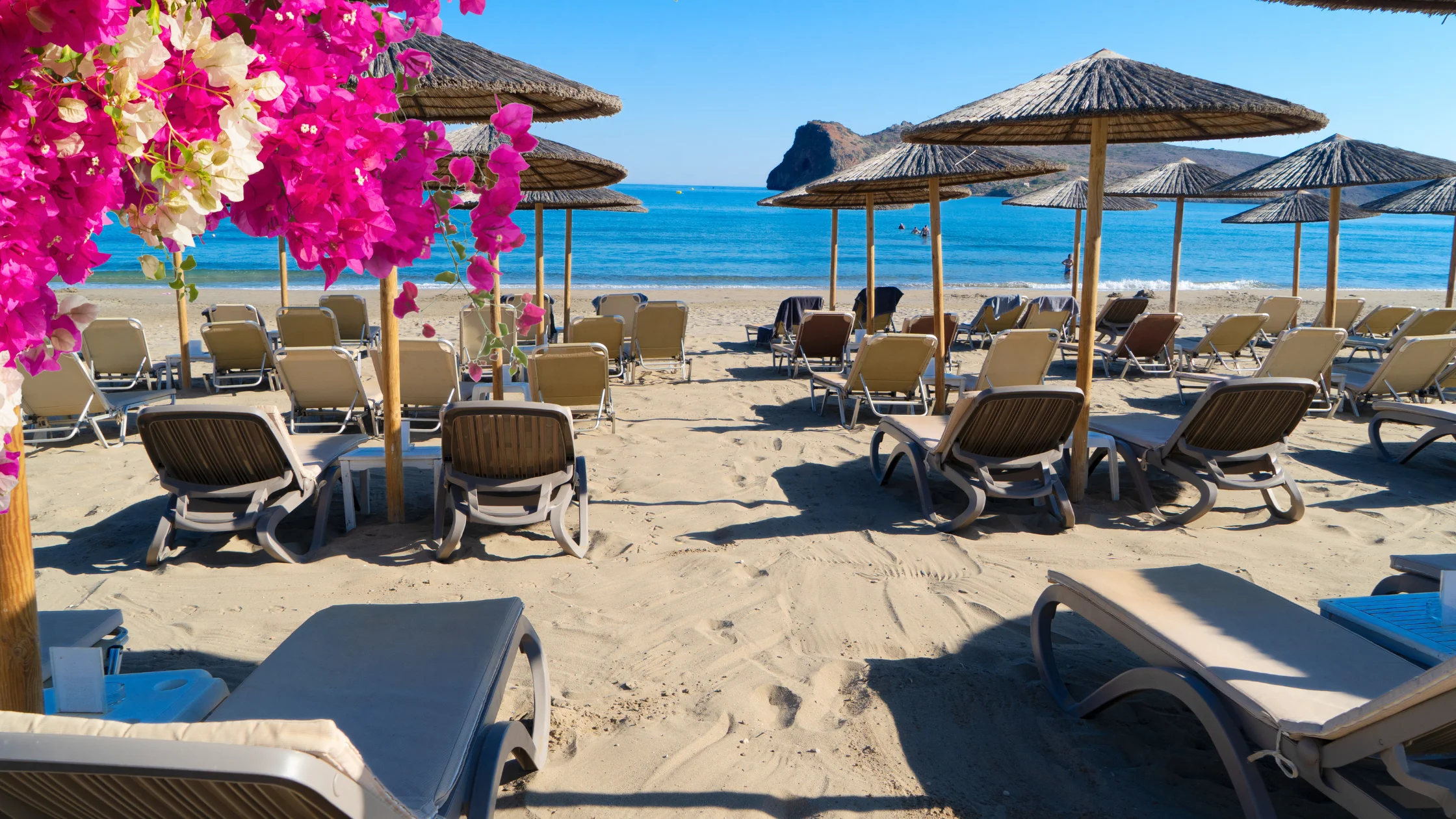
destination
Europe's Best Spots to Visit This Summer
A curated guide to Europe's finest summer destinations - the best beaches, extraordinary gardens, and historic sites worth organizing a journey around, from Elafonissi in Crete to the gardens of Versailles and the ancient caves of Matera.
Bodhgriha Institute
Summer in Europe is not one thing. It is a hundred different things happening simultaneously across a continent that has been perfecting the art of the season for millennia and the greatest challenge for any traveler is not finding somewhere worth going, but choosing between too many places that are.
This guide does not attempt to cover everything. It is not a list of fifty cities with one paragraph each. It is a considered selection of the places that consistently deliver something exceptional, beaches that justify the journey, gardens that stop you mid-step, historic sites that make history feel immediate rather than distant, and landscapes that do something specific and irreversible to the quality of your attention.
These are the places worth organizing a summer around.
The Beaches
Elafonissi, Crete, Greece
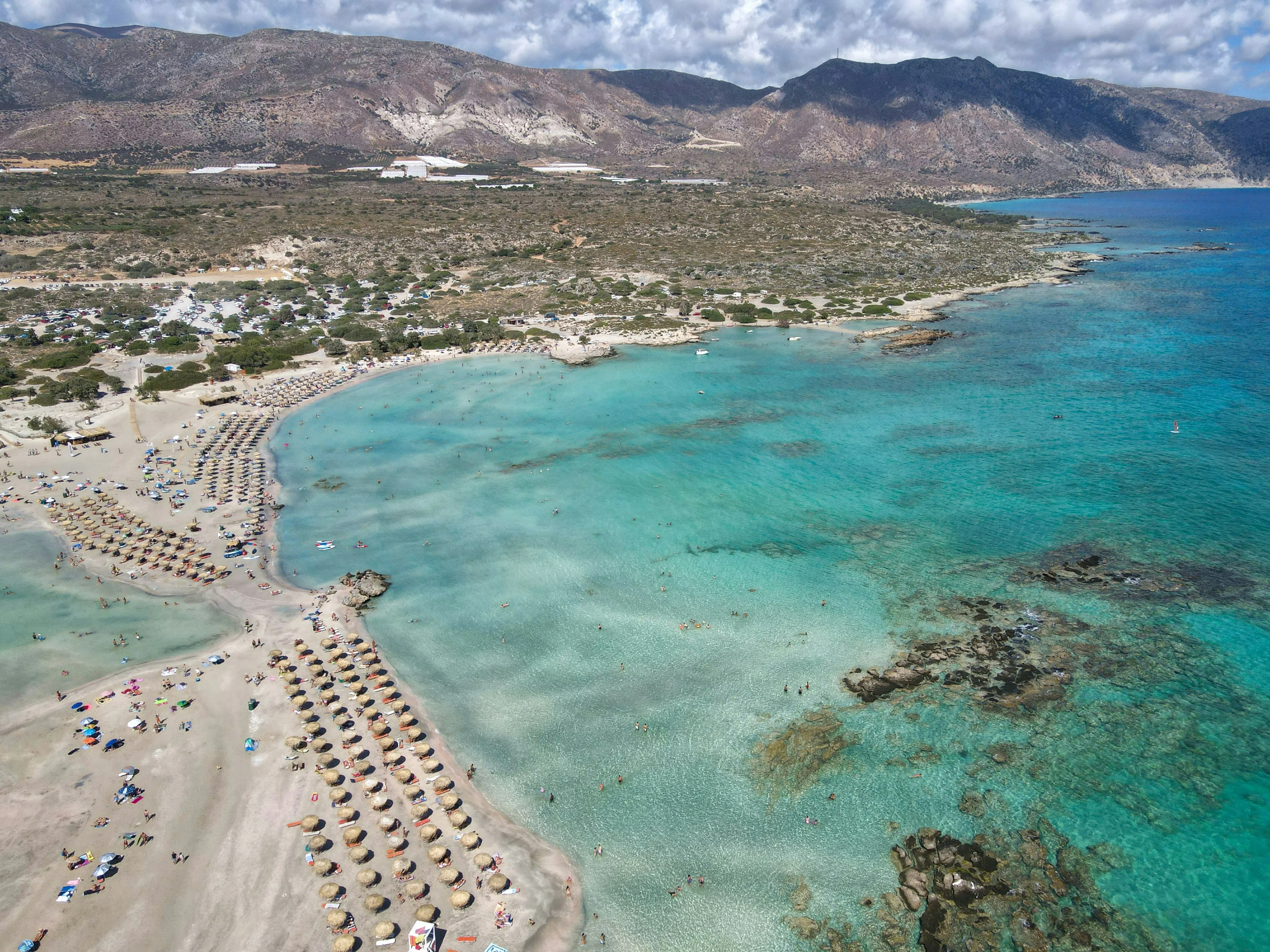 There are famous beaches, and then there are places that seem to have been composed... by geology, by light, by the particular relationship between water color and sand, into something that exceeds what a beach is supposed to be. Elafonissi, at the southwestern tip of Crete, is the second kind.
The sand here is pink - genuinely, improbably pink, colored by crushed shells and coral fragments deposited over centuries. The water is shallow for a hundred meters in some places, running through shades of turquoise and jade before deepening into sapphire. A small islet sits just offshore, reachable on foot when the water is low, surrounded by a lagoon of extraordinary clarity.
Crete itself adds context: the island's interior is one of the most ancient inhabited landscapes in Europe, its mountains still carrying the tracks of Minoan civilization, its food culture among the most honest and nourishing on the continent. A day at Elafonissi is more meaningful when the days around it include the Palace of Knossos, the Samariá Gorge, and a long lunch in a village taverna where the olive oil was pressed from trees planted by someone's great-grandmother.
Praia da Marinha, Algarve, Portugal
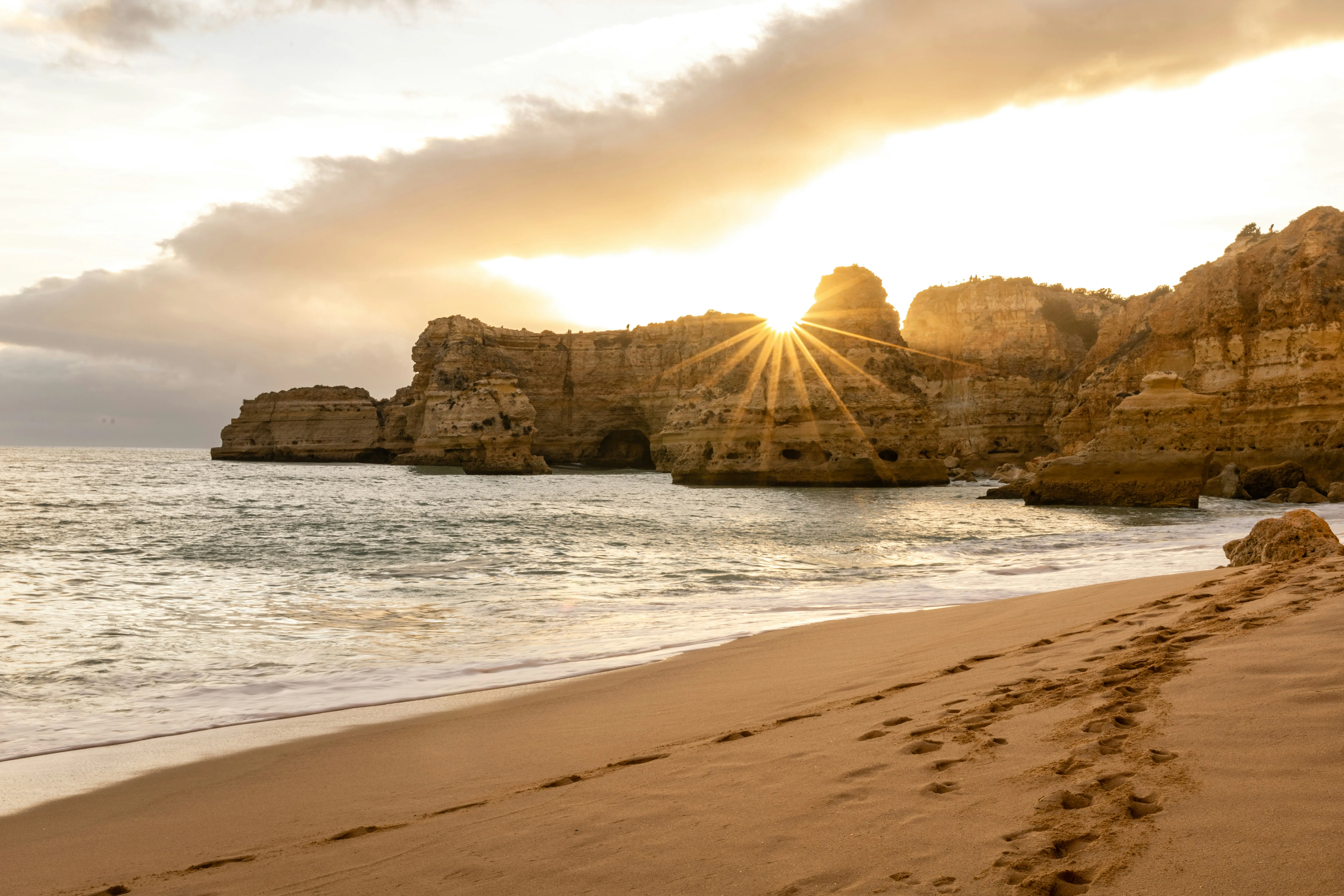 The Algarve's most photographed coastline is not its long sandy stretches, it is the limestone cliff formations of the central coast, where centuries of Atlantic erosion have carved grottos, sea stacks, and natural arches into golden rock that catches the late afternoon light like something from a painting.
Praia da Marinha sits within this stretch and is consistently ranked among the finest beaches in Europe- a small, sheltered cove accessible by a steep path from the clifftop, enclosed by rock formations that create a natural amphitheatre of extraordinary beauty. The water is clear, cold by Mediterranean standards (the Atlantic does not warm as obligingly as the Aegean), and extraordinarily blue.
What makes Marinha exceptional beyond its visual drama is the walking available from it. The Seven Hanging Valleys trail (Percurso dos Sete Vales Suspensos) runs the clifftops between Marinha and several neighboring beaches ... a two-hour walk of sustained beauty, passing viewpoints, wildflowers, and the particular sound of Atlantic surf far below.
Cala Macarella, Menorca, Spain
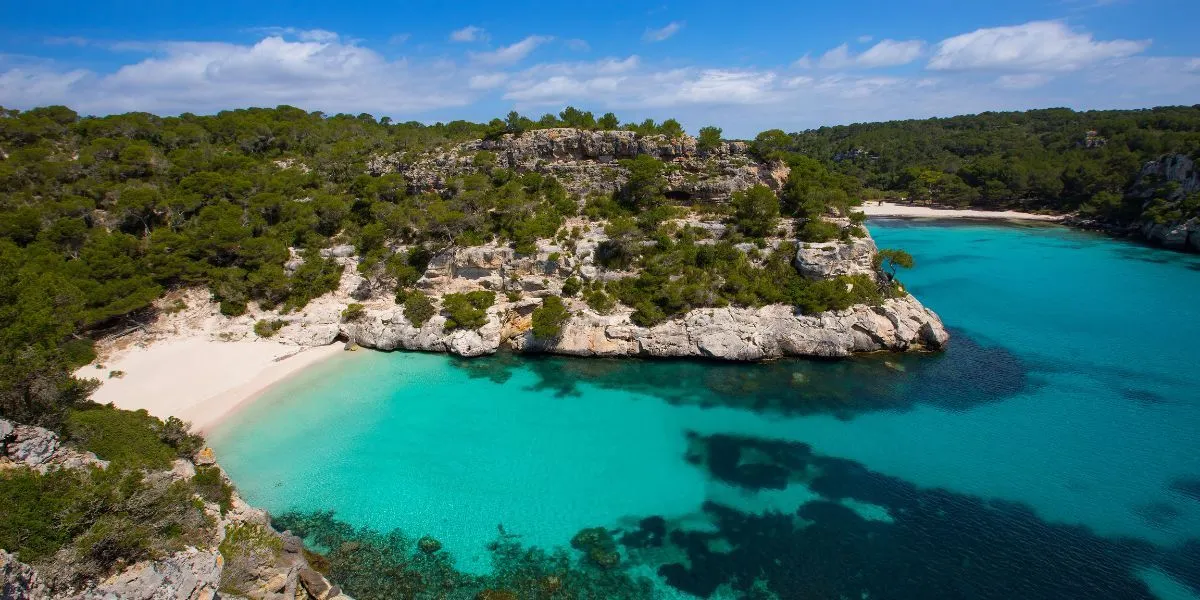 Menorca, the quieter sister of Ibiza and Mallorca, has been protected from the development that transformed its neighbors by its UNESCO Biosphere Reserve status and the result is a coastline that feels genuinely wild, even at the height of summer.
Cala Macarella is its finest expression: a deep crescent of white sand enclosed by pine forest reaching to the water's edge, the sea running from transparent to aquamarine to deep blue in the space of fifty meters. A second smaller cove, Cala Macarelleta... sits adjacent, accessible by a short path through the pines, and is if anything even more beautiful.
Menorca rewards the traveler willing to rent a car and follow the unmarked tracks that lead off the main roads toward the coast. The island's prehistoric talayot monuments, megalithic stone structures of uncertain purpose, scattered across the interior, add a layer of ancient human presence to a landscape that might otherwise feel merely scenic.
The Gardens
Villa d'Este, Tivoli, Italy
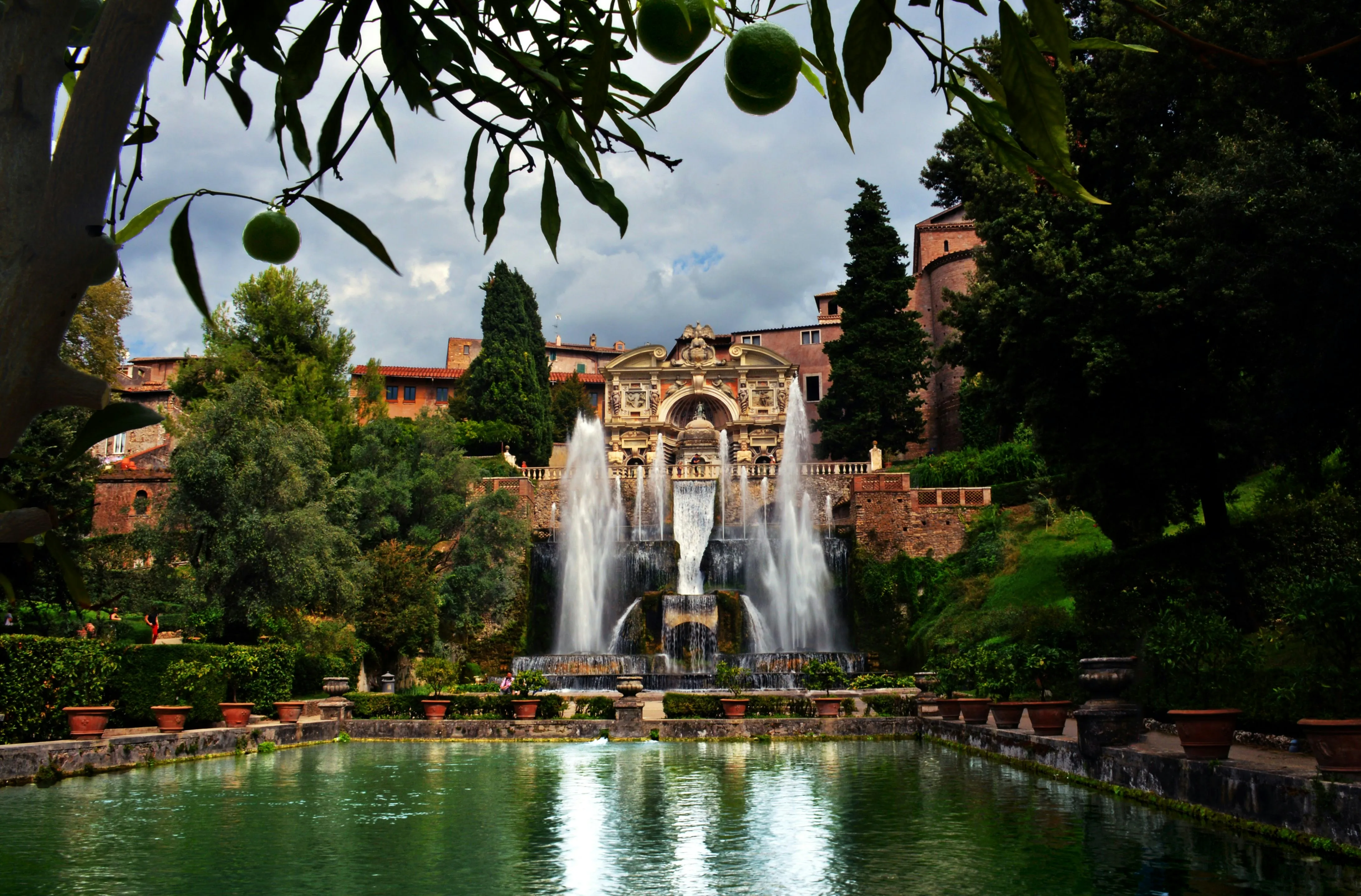 Thirty kilometers east of Rome, in the hill town of Tivoli, the Renaissance gardens of Villa d'Este represent one of the most sophisticated acts of landscape design in human history. Built in the sixteenth century by Cardinal Ippolito II d'Este, the garden transforms a steep hillside into a cascading system of fountains, pools, water organs, and planted terraces that descend toward the valley in a composition of water, stone, and cypress that has not been equalled in five centuries.
The Hundred Fountains - a long horizontal axis of carved stone channels, moss-covered and dripping, is the garden's central artery, and it is one of those rare constructed things that achieves the quality of nature. Walk it slowly, in the early morning before the tour groups arrive, and something about the combination of the sound of water and the smell of stone and old growth in the heat produces a quality of stillness that the finest yoga shala rarely matches.
The Gardens of Versailles, France
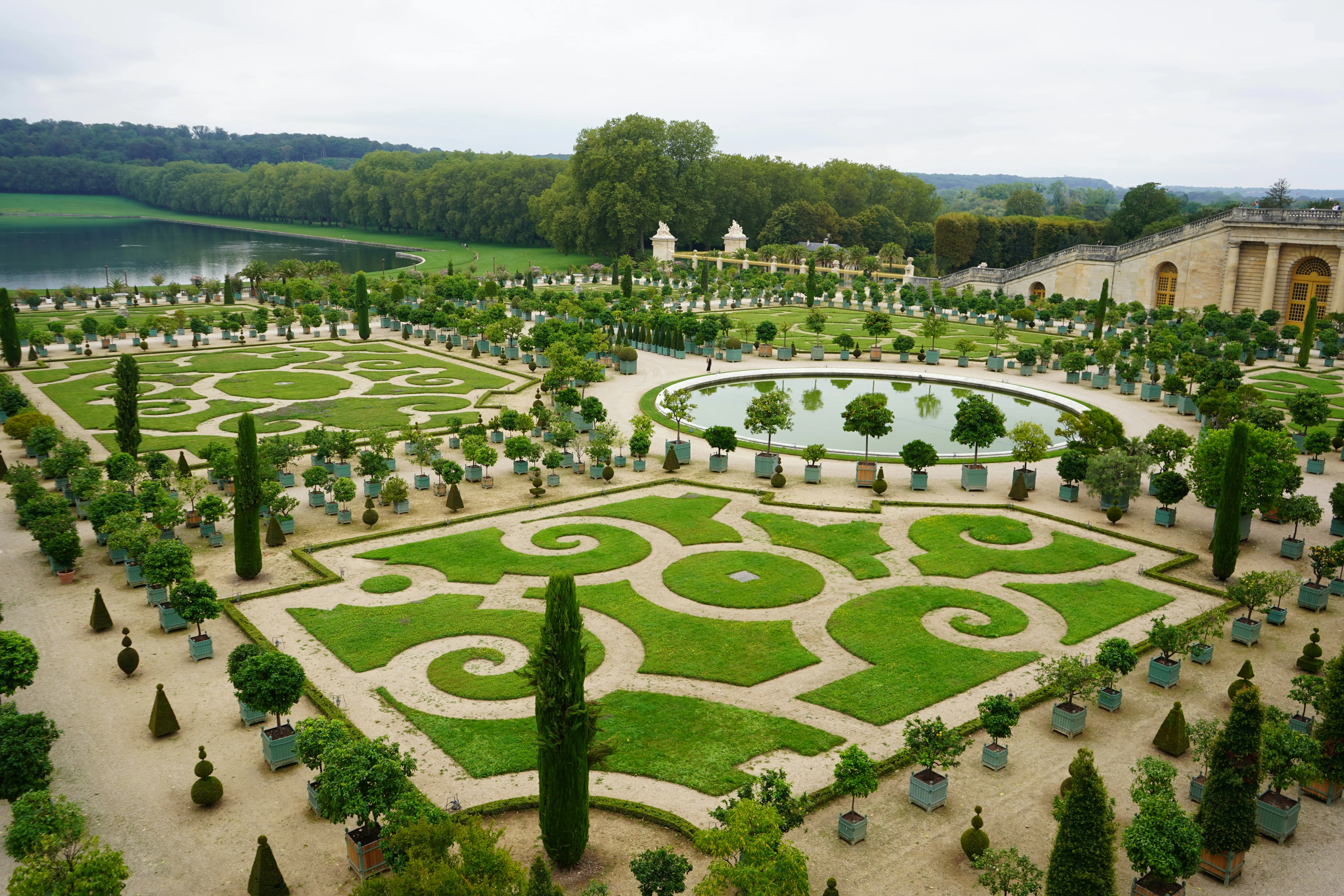 To dismiss Versailles as too obvious is to deprive yourself of one of the genuinely overwhelming experiences European travel offers. The scale of Le Nôtre's formal gardens... stretching nearly three kilometers from the palace to the Grand Canal along the central axis, with cross-axes, bosquets, fountains, and parterres extending in every direction, is not something photographs convey. You have to stand at the top of the garden and look outward to understand what absolute power once felt like as an aesthetic project.
Come in summer for the Grandes Eaux Musicales - the days when the garden's hundreds of baroque fountains are set running in their full glory, accompanied by period music. The Neptune Basin, the Latona Fountain, the Apollo Basin, seeing all of them operating simultaneously is a visual and acoustic experience unlike anything else in Europe.
The practical tip that most visitors miss: the Trianon palaces and Marie Antoinette's Hamlet... a pastoral fantasy village built for private retreat from court life, sit at the far end of the estate and require a twenty-minute walk or bicycle ride from the main palace. They are quieter, more intimate, and in their own way more interesting than the Grand Palace itself.
Alhambra Gardens (Generalife), Granada, Spain
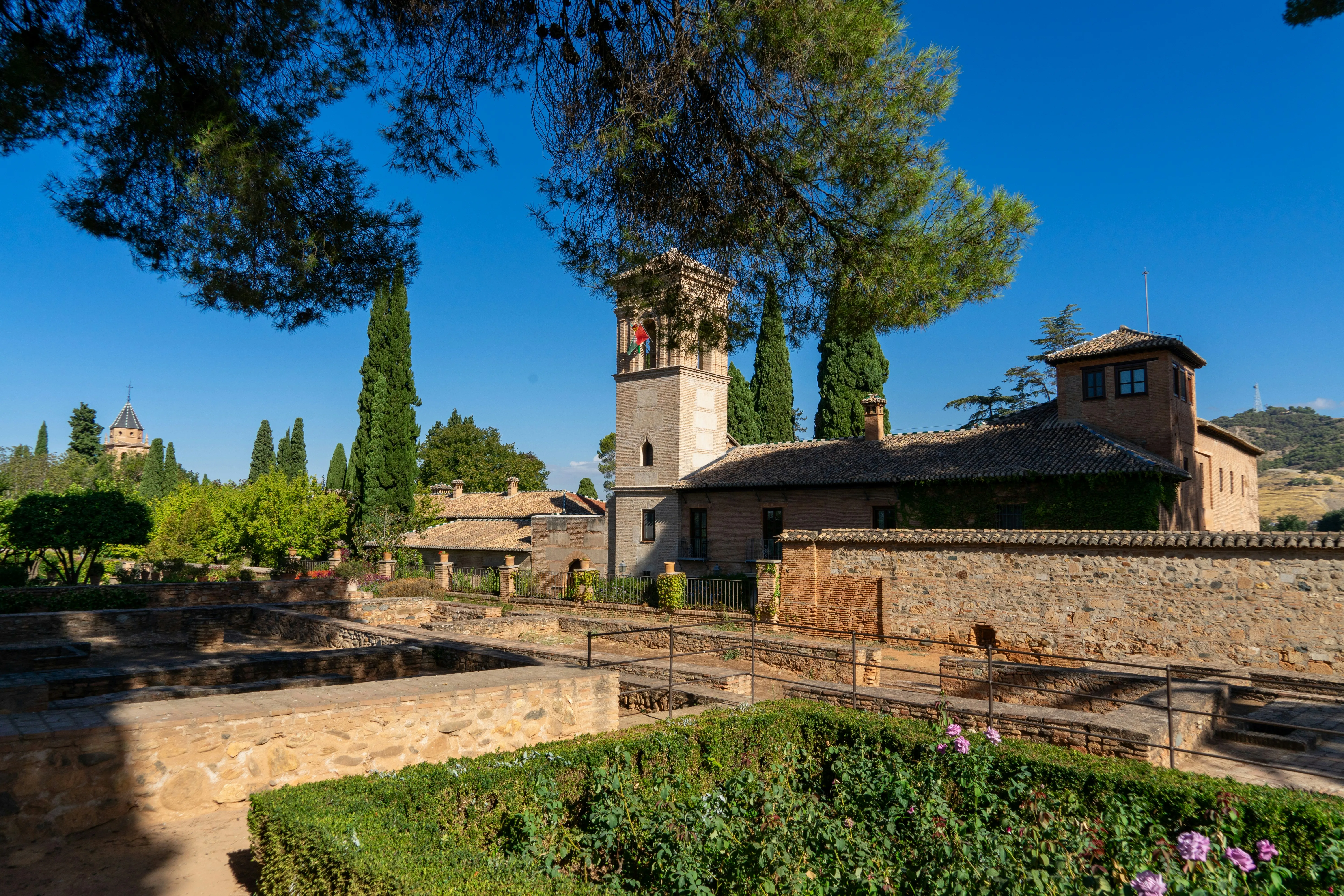 The Generalife, the summer palace and gardens of the Nasrid sultans above Granada, represents a different tradition of garden-making from the European formal garden: the Islamic garden, organized around water as the primary element, designed not for visual grandeur but for sensory pleasure and contemplative retreat.
Narrow channels of water run through rose-planted courtyards. Jets of water arc across walkways in thin parabolas. The sound of moving water is constant, designed to create the sensation of coolness and the psychological effect of a world softened and made gentle. The Patio de la Acequia ... the Court of the Water Channel - is the garden's heart, and it is one of the most beautiful enclosed spaces in Europe.
Visit the Alhambra and Generalife together; they are booked as a combined ticket and the palace interiors are as astonishing as the gardens. Book weeks in advance. This is non-negotiable in summer.
The Historic Sites
Matera, Basilicata, Italy
 Matera is one of the oldest continuously inhabited settlements on earth - humans have been living in its cave dwellings (sassi) for at least nine thousand years. The city descends into two ravines carved by the Gravina river, its ancient cave homes stacked one above the other in a formation so ancient and so strange that UNESCO designated it a World Heritage Site in 1993.
Walking through the sassi at dusk, when the golden light turns the tufa stone amber and the swifts are filling the air above the ravines, produces a specific quality of temporal dislocation, the feeling of standing inside a living layer of human time, of understanding viscerally that the present is always temporary, always built over something older.
Matera is not on most summer itineraries, which is precisely why it rewards those who make the effort. The Basilicata region is Southern Italy without the crowds, with extraordinary food, good wine, and landscapes, the Pollino mountains, the wild Ionian coast ... that remain genuinely undiscovered.
Dubrovnik's City Walls, Croatia
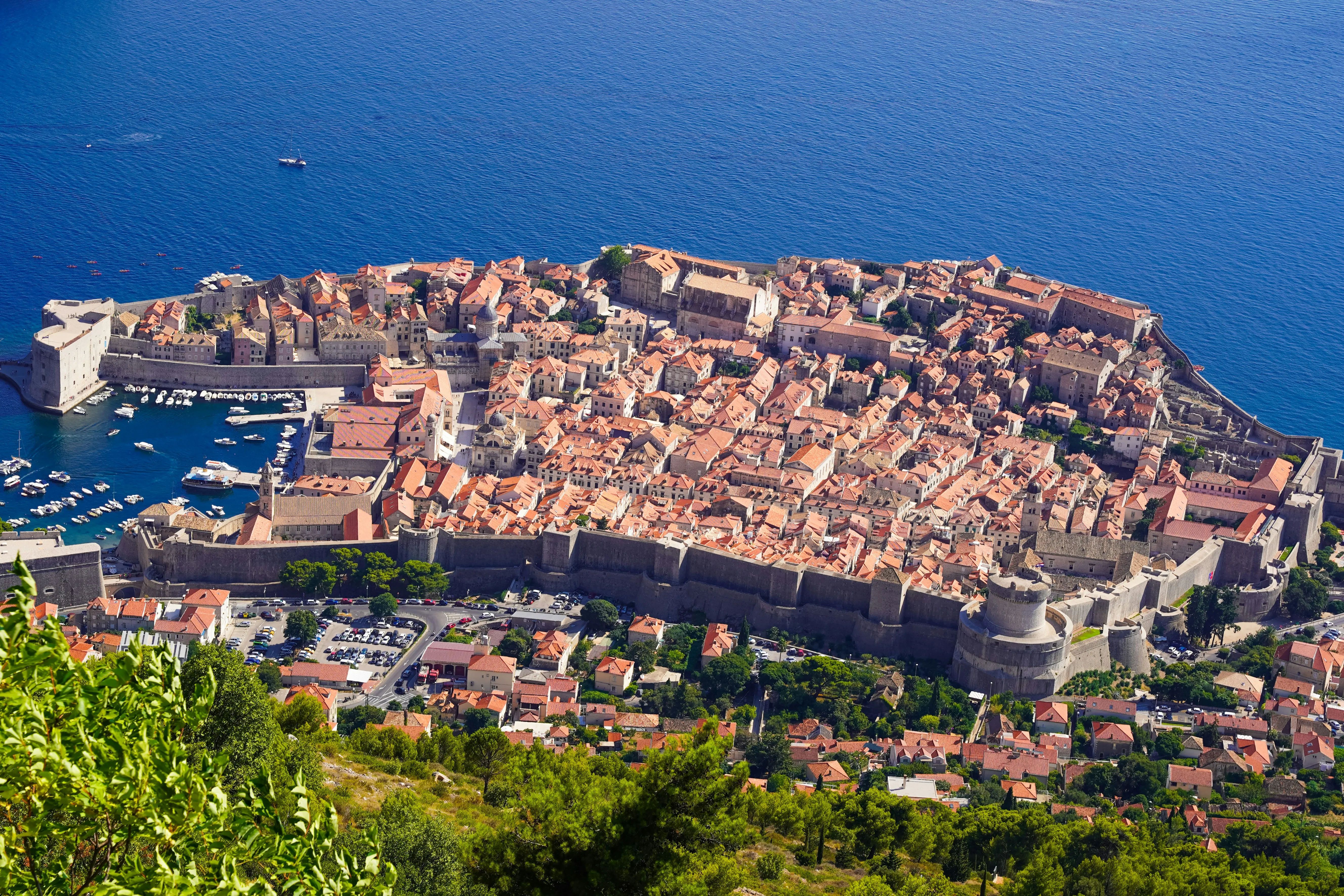 The walls of Dubrovnik's old city are among the best-preserved medieval fortifications in Europe ... two kilometers of continuous stone walkway rising as high as twenty-five meters above the Adriatic, with views over the terracotta rooftops of the old city on one side and the deep blue of the sea on the other.
Walk the walls in the early morning, before the cruise ships disgorge their passengers into the narrow streets below. The city at seven in the morning ... when the light is still low and slanted, the street sweepers are working, and the only people on the walls are the ones who planned ahead, is among the most beautiful urban experiences in Europe.
** Acropolis & Ancient Agora, Athens, Greece**
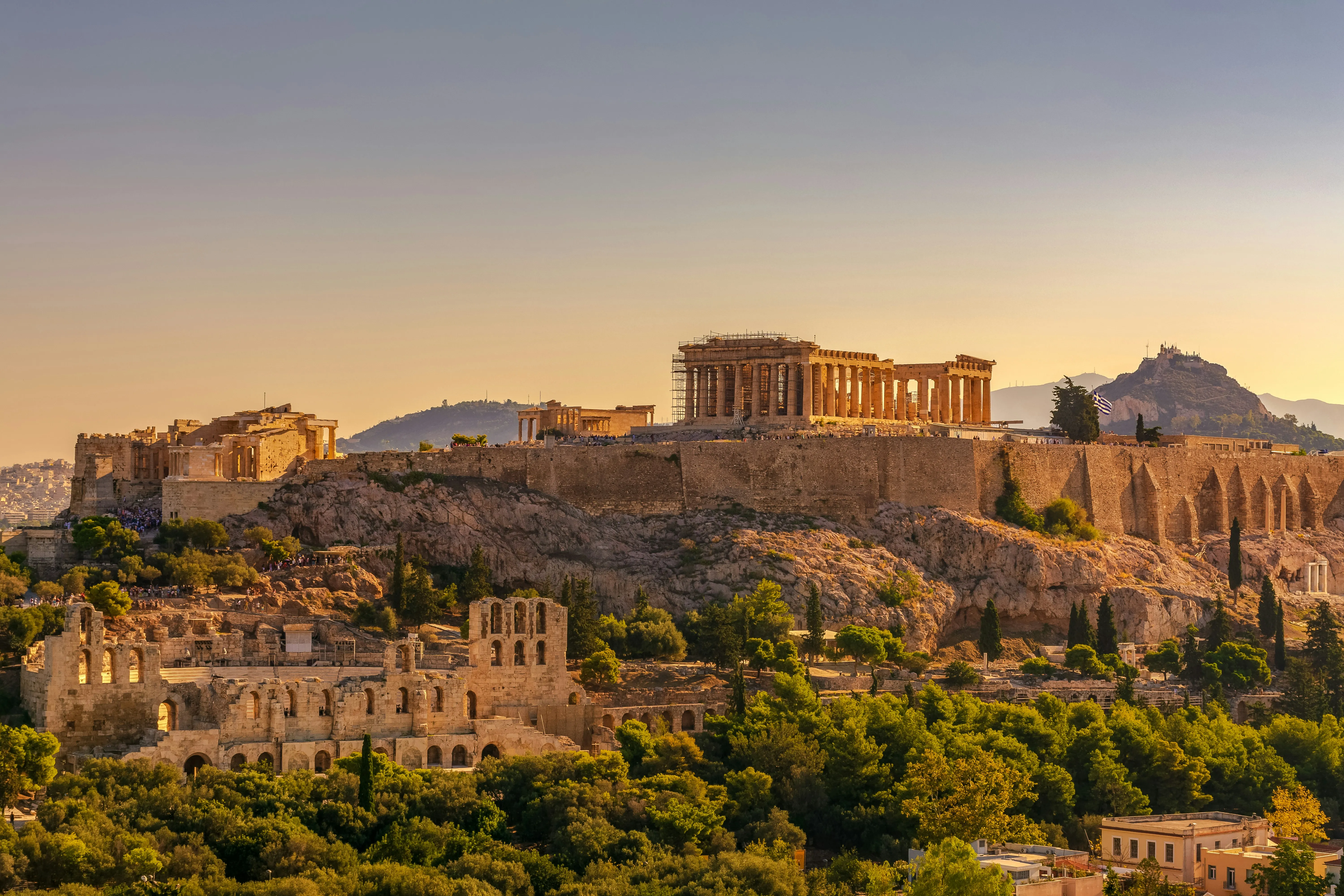 Athens in summer runs hot and relentless and it is worth every degree. The Acropolis at sunrise (gates open at 8am; arrive at 7:30) belongs to almost no one. The Parthenon in early light, with the city spread below in the blue haze and the sound of Athens waking faintly in the distance, produces a quality of encounter with antiquity that the midday crowds make entirely impossible.
Equally important and significantly undervisited: the Ancient Agora, the civic heart of classical Athens, just below the Acropolis. The reconstructed Stoa of Attalos houses a museum of extraordinary objects ... pottery, bronze, the machinery of Athenian democracy and the site itself, less polished than the Acropolis, gives a more honest sense of what ancient Athens actually felt and smelled and sounded like. The Temple of Hephaestus, standing intact above the Agora, is arguably the best-preserved ancient Greek temple in existence.
Hidden Gems Worth the Detour
| Place | Country | Why It's Worth It | Best For |
|---|---|---|---|
| Kotor Old Town | Montenegro | Medieval walled city inside a dramatic fjord — Dubrovnik's beauty without the crowds | History, coastal walks |
| Sintra | Portugal | Romantic palaces set into misty Atlantic forest above Lisbon — the most fairy-tale landscape in Western Europe | Architecture, forest walks |
| Plitvice Lakes | Croatia | Sixteen terraced lakes connected by waterfalls in colors that seem digitally altered — they are not | Nature, photography |
| Hallstatt | Austria | Alpine village above a mirror lake — one of the most photographed places in Europe for excellent reason | Mountain scenery, history |
| Ronda | Spain | Ancient white city perched on a cliff edge above a 100-metre gorge in Andalusia's interior | History, dramatic landscape |
| Skiathos | Greece | Pine-forested island with 60+ beaches — Koukounaries ranked among the finest in the Mediterranean | Beaches, island life |
How to Travel Europe in Summer Without Losing Your Mind
Summer in Europe is peak season everywhere and the difference between a transformative journey and an exhausting one comes down almost entirely to timing and pace.
Move early. Every site in this guide exists in two versions: the early morning version, which belongs to you, and the midday version, which belongs to everyone. The Alhambra at first light, the Acropolis at eight, the Versailles gardens before the fountains are switched on for the crowds...these are genuinely different experiences from their peak-hour equivalents. Organize days around early arrivals and long lunches.
Book the non-negotiables weeks ahead. The Alhambra, Versailles's Grandes Eaux, the Acropolis...these require advance booking in summer without exception. The mistake of arriving at a ticket office and discovering a three-hour wait costs more than the price of forward planning.
Follow the locals out. Every destination in this guide has a version of itself that the locals actually use - a quieter beach thirty minutes from the famous one, a garden visited by residents on weekday mornings, a restaurant in a village an hour inland. The best travel intelligence consistently comes from asking hosts, retreat center staff, or local contacts: not where the guidebook says to go, but where they went last weekend.
Europe in summer is, at its best, an education in what human beings are capable of when they apply centuries of accumulated attention to the question of how to live beautifully. The gardens at Versailles and the Generalife were built by different civilizations with different values and both arrived at water, stone, and the sound of growing things as the conditions for a good afternoon.
The beaches of Crete and Menorca were not built at all. They are the result of geological time operating at scales that make human history feel recent. Standing ankle-deep in the pink sand at Elafonissi, or watching the light change on the cliffs above Praia da Marinha, produces the same shift that the finest yoga practice produces: a brief, clear suspension of the ordinary sense of scale.
These places are waiting, as they have always been. The only question is how much attention you are willing to bring.
That, in the end, is all travel requires. And all practice requires. They are, when done well, the same thing.
Last updated April 25, 2026 at 20:03