Costa Rica vs Bali Yoga Retreats: Surf vs Spirit
A deep-dive comparison of yoga retreats in Costa Rica and Bali-exploring surf culture, spiritual depth, costs, climate, and how to choose the right shore for your practice.
Two destinations. Two completely different energies. Both have become synonymous with the kind of yoga retreat that changes something in you - not just your flexibility, but your relationship to time, to yourself, to what you thought you needed.
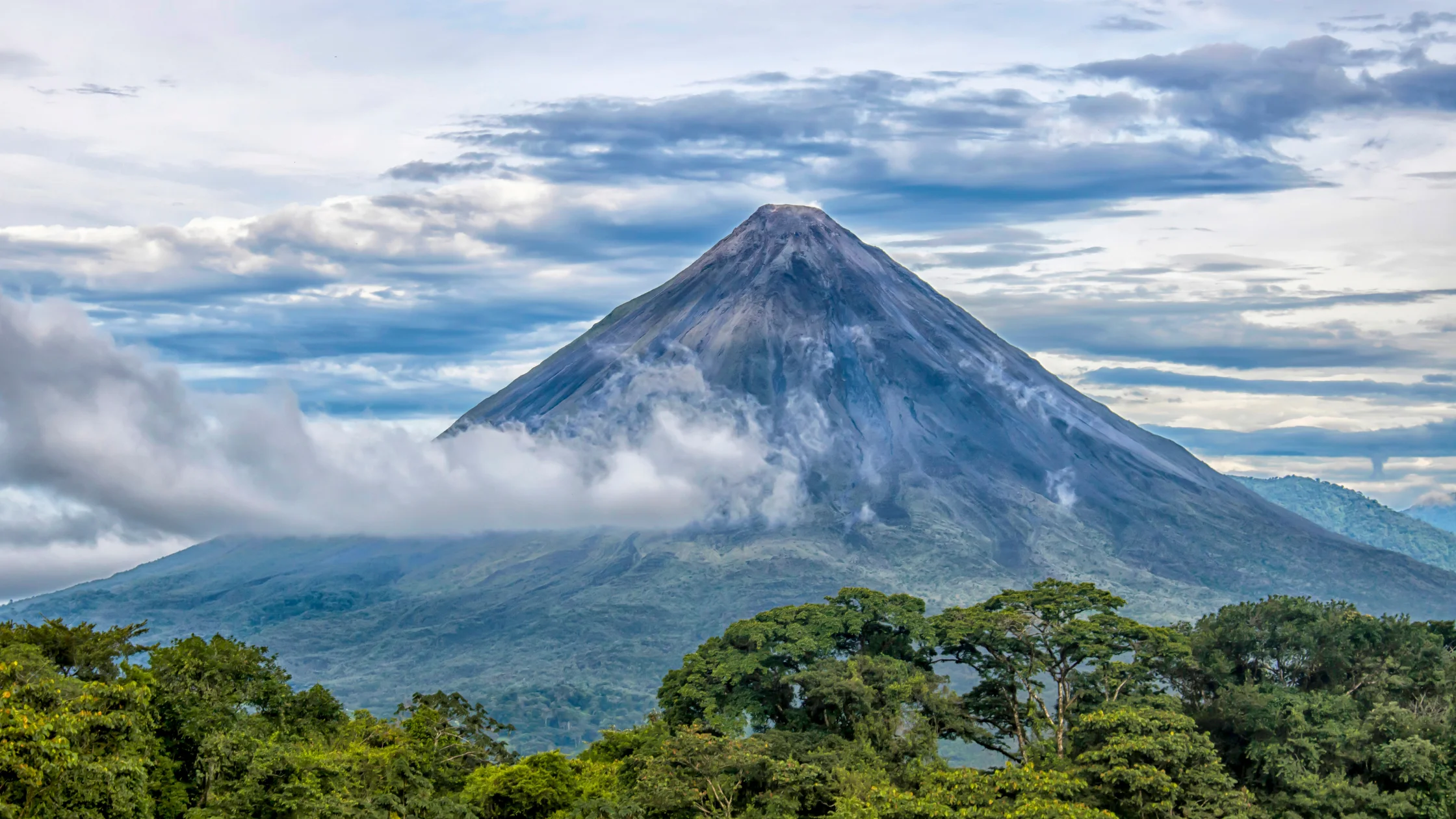
Costa Rica speaks in the language of motion. Crashing Pacific swells. Howler monkeys at dawn. The canopy still dripping from last night's rain. It is a place that draws you outward ... into the ocean, into the jungle, into an aliveness that feels almost physical in its insistence.
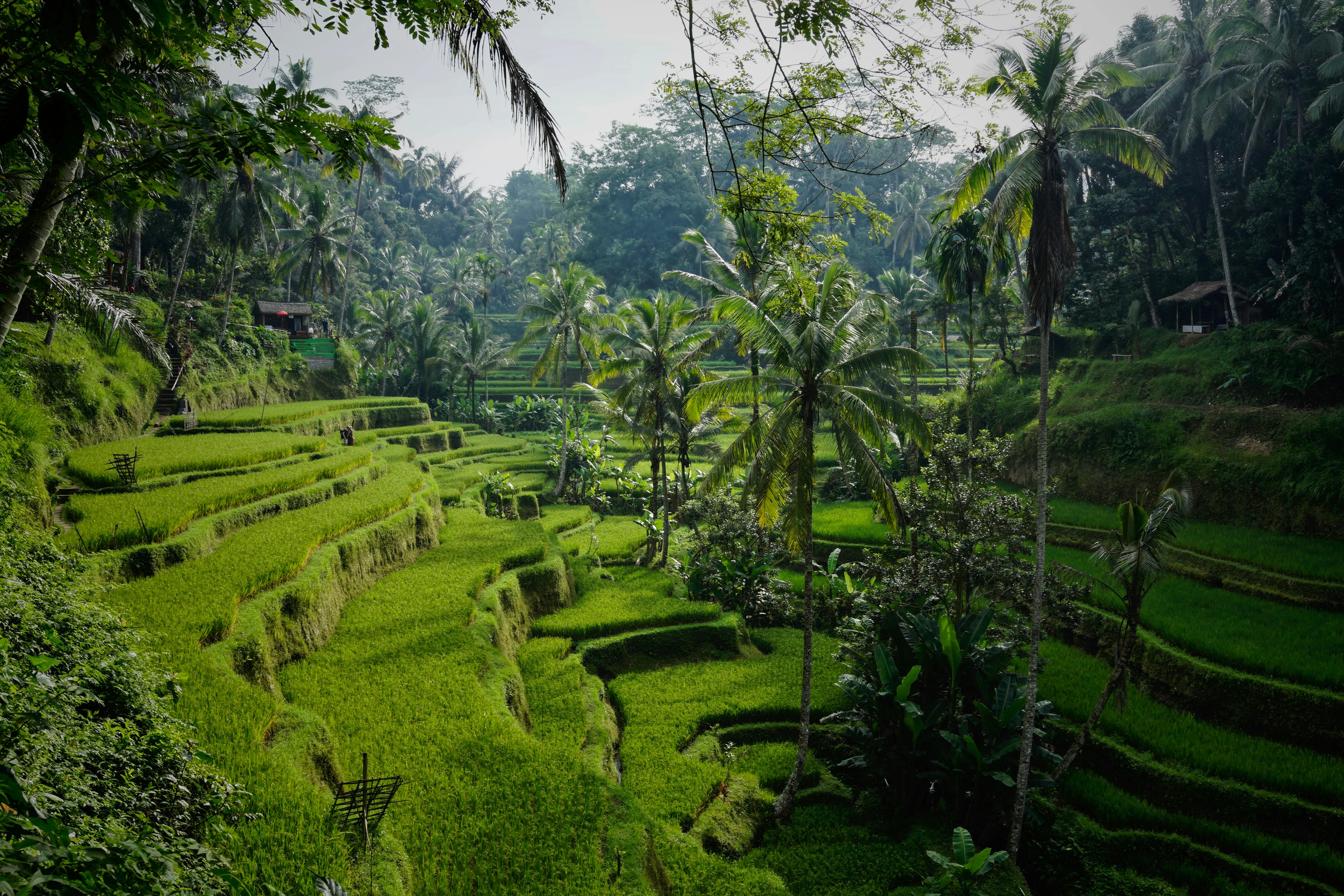
Bali speaks in the language of devotion. Temple incense drifting through rice terraces. Offerings placed on doorsteps before the world is fully awake. A culture where the sacred is not separate from daily life but woven into every corner of it. It draws you inward ... quietly, persistently, with great warmth.
If you are standing between these two shores, trying to decide which one your next retreat should take you to, this guide is for you. We will walk through costs, culture, practice environments, surf integration, spiritual depth, and the quieter questions that no price comparison can answer.
Setting the Scene
Costa Rica: Where the Jungle Meets the Break
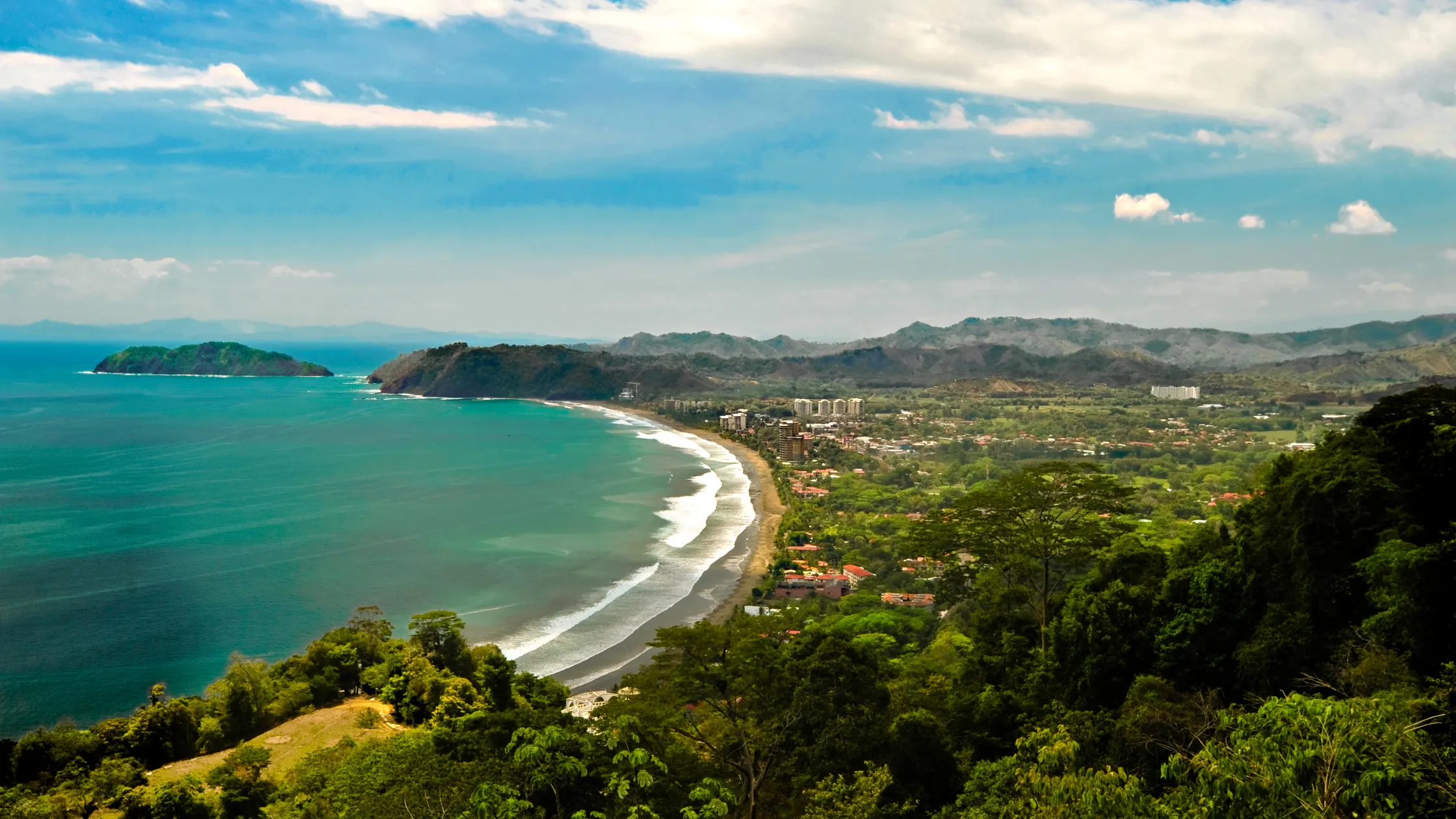 Costa Rica's yoga retreat scene has grown up along its Pacific coast - particularly in the Nicoya Peninsula (Nosara, Santa Teresa, Mal País) and the Southern Zone (Dominical, Uvita). These are not polished resort towns. They are small, sun-bleached communities built around the surf calendar, where retreat centers have sprouted organically from the same culture that produces world-class waves.
Nosara, in particular, has become a genuine yoga destination in its own right. The Nosara Yoga Institute has been operating for decades. The roads are still unpaved. The howler monkeys don't care what time your morning class starts. There is a raw, unfinished quality to the place that many practitioners find clarifying.
The experience Costa Rica offers is one of physical integration - yoga and surfing not as contradictions but as complements. The same principles that guide a standing pose guide a pop-up on a wave: ground through the feet, open the hips, breathe before you move.
Bali: The Island That Holds You
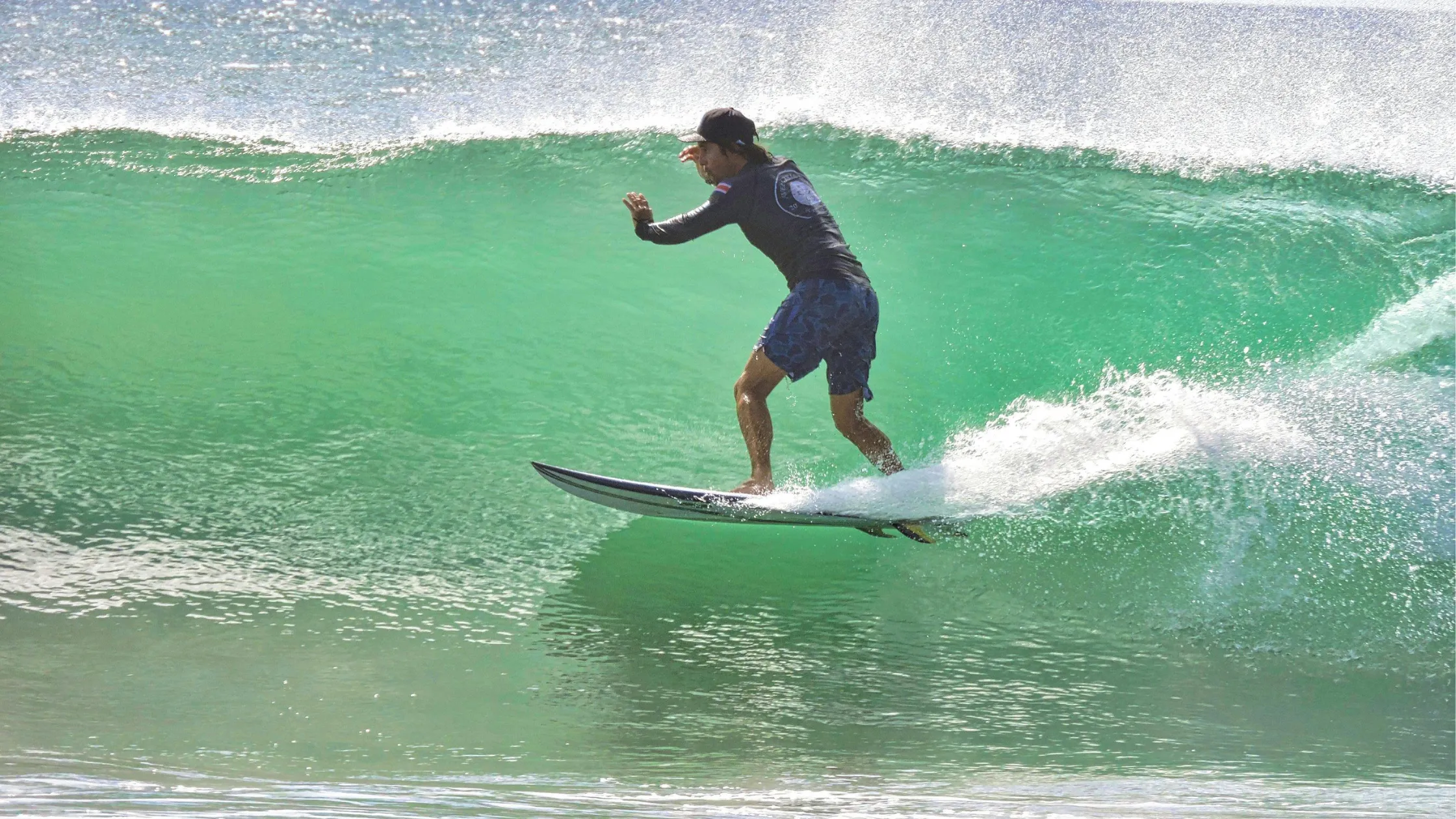
Bali is something rarer than a beautiful place. It is a place with a living metaphysical culture ... a Balinese Hindu tradition that shapes every aspect of daily life, from the roosters crowing before dawn prayers to the elaborate ceremonies that fill the streets several times a month.
The yoga hub is Ubud, set inland amid rice paddies and ravines, cooler and quieter than the coast. But retreats operate across the island ... in Canggu's creative-meets-wellness scene, in the cliff-edge drama of Uluwatu, in the slower rhythms of Sidemen and Amed in the east.
What Bali offers, at its best, is cultural immersion that deepens practice. When your teacher speaks of non-attachment and the world outside your shala is decorated with offerings to the divine, the philosophy stops being abstract. It becomes something you can almost touch.
The Cost Breakdown
Both destinations are relatively affordable by Western standards, though Bali maintains a meaningful edge for budget-conscious travelers.
| Category | Costa Rica (Nicoya) | Bali (Ubud / Canggu) |
|---|---|---|
| 7-Day Yoga Retreat (All-In) | $1,200 – $2,800 | $700 – $2,000 |
| 200-Hr YTT (All-In) | $2,500 – $4,500 | $1,200 – $3,000 |
| Daily Meal Budget (Outside Retreat) | $25 – $45 | $10 – $25 |
| Surf Lesson (Add-On) | $50 – $90 | $25 – $60 |
| Scooter Rental / Day | $35 – $55 | $5 – $12 |
| Massage (60 min) | $60 – $100 | $10 – $30 |
Costa Rica is one of the most expensive countries in Central America. Its infrastructure, safety record, and ecological reputation come at a price. Bali offers more for less across nearly every category ... accommodation, food, bodywork, transport - which is part of why it has become such an enduring destination for longer stays and teacher training programs.
Flight costs shift the equation for North Americans. Direct flights from the US East Coast to Costa Rica run $250–$600. Getting to Bali from the same origin typically costs $800–$1,400 and involves at least one connection. This can erase Bali's cost advantage for shorter trips.
The Yoga Scene: Depth, Style, and What's on Offer
Costa Rica: Functional, Flow-Forward, Surf-Integrated
The yoga culture in Costa Rica's retreat towns is contemporary, physically rigorous, and closely linked to surf culture. Vinyasa flow dominates, with strong offerings in Ashtanga, Rocket yoga, and movement-based modalities like Functional Range Conditioning. The teaching is skilled but the flavor is modern, you are unlikely to encounter deep dives into Sanskrit philosophy or lineage-based study in most retreat settings.
What Costa Rica does exceptionally well is the yoga-surf integration. Programs at places like Blue Spirit in Nosara or Horizon in Santa Teresa are designed around the relationship between the two disciplines. Morning yoga focuses on hip mobility, thoracic rotation, and breathwork ... all of which translate directly to surfing. Afternoon sessions address recovery: fascia work, Yin, Yoga Nidra. The body is treated as a precision instrument, tuned for movement.
This is a genuine philosophical offering, not a marketing gimmick. Surfers who practice yoga consistently report improvements in balance, proprioception, breath management under stress, and recovery time. Yogis who surf discover aspects of presence and commitment that studio practice rarely demands.
"Every wave is a moment. You can't think your way into it. You have to be there completely ... which is exactly what years of meditation practice had been teaching me. I just hadn't found the physical expression of it until I surfed." — A practitioner at a retreat in Nosara
Bali: Eclectic, Deep, and Spiritually Saturated
Bali's yoga scene is larger, more diverse, and more layered. Ubud alone has dozens of studios, training centers, and retreat spaces operating year-round. The range of styles is extraordinary: classical Hatha, Iyengar, Ashtanga (both Mysore-style and led classes), Kundalini, Yin, Restorative, Tantra, Yoga Nidra, and numerous hybrid and somatic offerings.
The teacher pool is impressive. Bali has attracted experienced instructors from India, Europe, the US, and Australia- many of whom have settled there precisely because the environment supports a committed daily practice. A week in Ubud can expose you to teaching of a caliber that rivals any destination on earth.
 But Bali's deepest offering is not in any studio. It is in the culture itself.
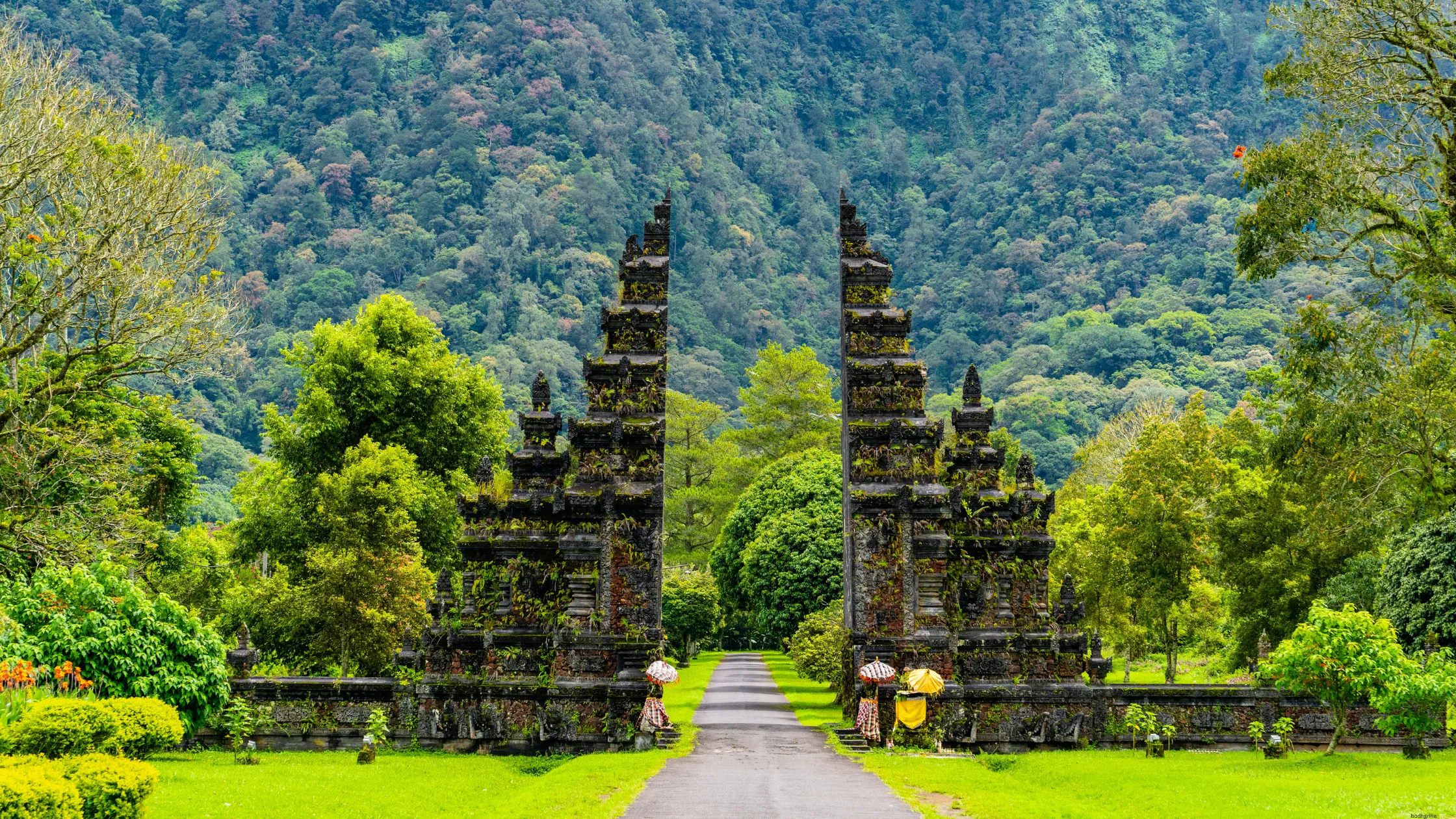
Participating in a purification ceremony at Tirta Empul. Watching an offering being prepared at a family compound. Sitting with a local healer in the same tradition that inspired Eat, Pray, Love , though the reality is richer and stranger than any book can capture. These encounters have a way of making yoga philosophy feel less like something you study and more like something you live inside of, briefly, as a guest.
Surf: How Seriously Does Each Destination Take It?
This matters more than it might seem. "Yoga and surf retreat" can mean very different things depending on where you go.
Costa Rica: Surf Is the Spine, Not the Garnish
In Nosara and Santa Teresa, surf is not an optional add-on. It is the organizing principle around which much of daily life is structured. Tides are checked before schedules are set. Equipment is serious. Instructors are certified. The waves, particularly the consistent beach breaks at Playa Guiones are genuinely suitable for beginners, and the reef breaks nearby offer challenges for those progressing quickly.
For someone who has never surfed, or who surfs occasionally and wants to improve in a structured way, Costa Rica's Pacific coast is close to ideal. The water is warm (27–29°C year-round). The breaks are forgiving. The culture is supportive. And the yoga component is specifically designed to enhance your surfing, not simply offered alongside it.
Bali: Surf Is Present but Polarized
Bali has world-class surf ... Uluwatu, Padang Padang, and Keramas are legendary breaks but they are not beginner-friendly. The reef breaks that produce Bali's famous barrels are the same ones that have humbled expert surfers for decades.
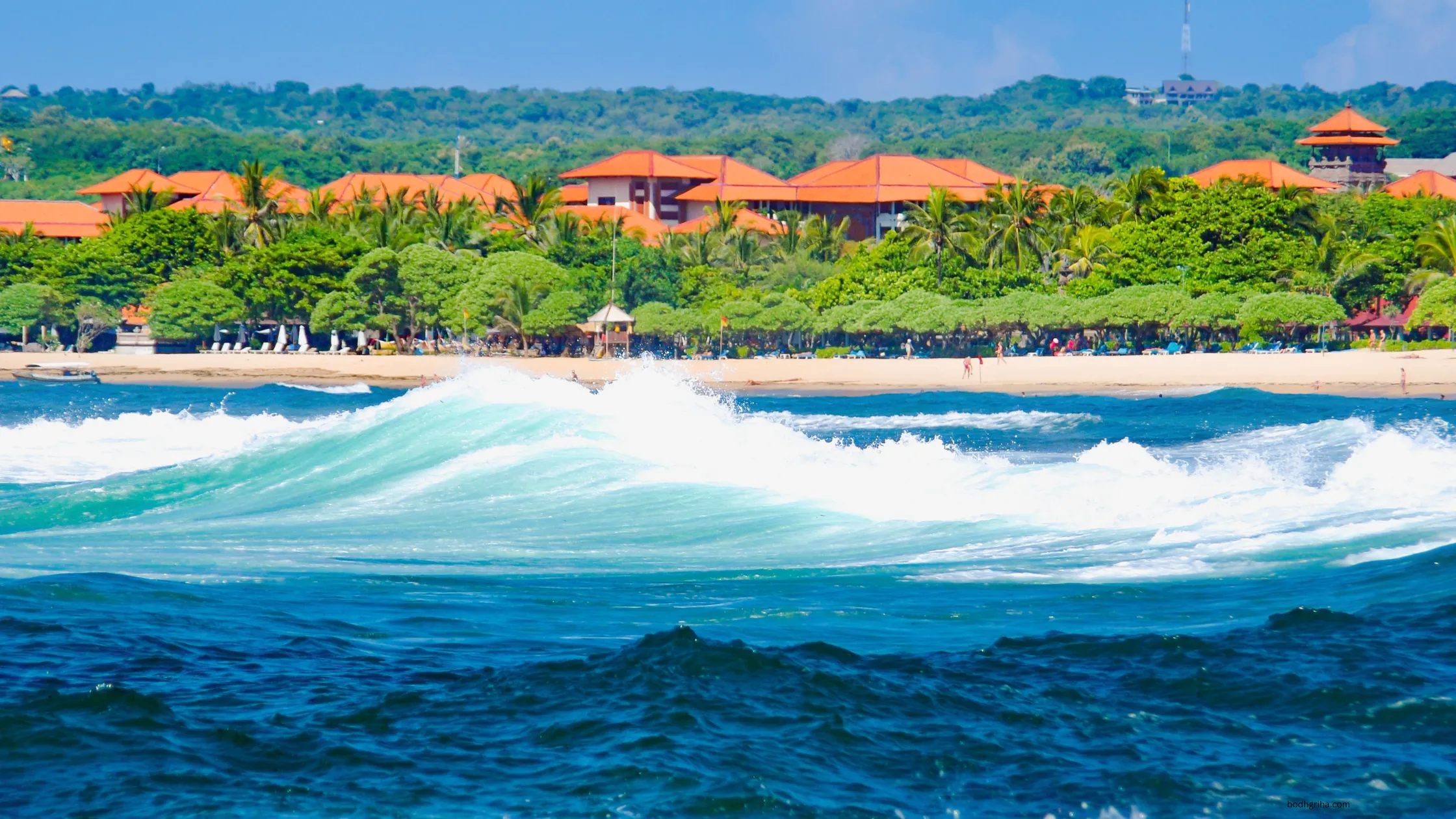 Beginner and intermediate surf teaching does exist, particularly in Canggu and around the Bukit Peninsula, but it is not as tightly integrated into the yoga retreat ecosystem as it is in Costa Rica. Most Bali retreat programs that advertise "yoga and surf" are primarily yoga programs with surf available nearby, a meaningful distinction.
Climate, Timing, and Practical Realities
Costa Rica
Costa Rica has two distinct seasons: dry season (December–April) and green season (May–November). For surf and yoga retreats, dry season is peak ... reliable sunshine, offshore winds, and consistent swells. The Nicoya Peninsula enjoys some of the best weather in the country year-round and has been designated one of the world's five Blue Zones, regions where people measurably live longer.
The infrastructure is solid by Central American standards. Roads in retreat towns are rough, but medical facilities, reliable internet, and good international food options are all accessible. Spanish is the working language, but English is widely spoken in tourist areas.
Bali
Bali's dry season runs from May through September, with July and August being peak. These months offer the best surf conditions on the southern coast and the most reliable sunshine for outdoor yoga. The wet season (October–April) brings daily afternoon rain ... not always a deterrent, and often dramatically beautiful, but worth planning around.
Bali is more complex logistically than Costa Rica in some ways: traffic in Canggu and Ubud can be heavy, scooters are the primary transport, and the sheer volume of retreats and studios requires more research to distinguish the exceptional from the average. The payoff for that research is significant.
The Traveler Profile: Who Belongs Where
| You might belong in Costa Rica if... | You might belong in Bali if... |
|---|---|
| Surf is a primary goal, not an afterthought | Deep philosophical or lineage study calls to you |
| You're traveling from the US or Canada | You want to stay longer (14 days or more) |
| You want a physically rigorous, movement-forward retreat | Cultural immersion matters as much as mat time |
| You prefer lush nature over temples and ceremony | Budget matters and you want maximum days per dollar |
| You want adventure travel with yoga as the anchor | You are training to teach, or deepening an existing practice |
| You are earlier in your international travel journey | You are drawn to ceremony, healing, and spiritual encounter |
The Question Beneath the Question
Here is what experience tells us: most people who ask "Costa Rica or Bali?" are not really asking about geography. They are asking about who they want to be during those days.
Costa Rica invites you to be alive in your body — present to sensation, to movement, to the wild aliveness of a place where the jungle meets the sea and the ocean asks everything of you at once.
Bali invites you to be still inside yourself — present to something quieter, older, harder to name. The Balinese word taksu describes a kind of divine energy or presence that inhabits people, performances, sacred spaces. Spend enough time in Bali and you begin to feel what they are pointing at.
Both are forms of yoga. The practice on the mat is preparation for the practice everywhere else ... in the ocean, in the temple, in the moment you realize that the scenery has changed but the witness remains the same.
There is no wrong answer here. Both destinations have transformed thousands of practitioners. Both will transform you, if you go with openness and intention.
The question is not which island is better. The question is which one your practice needs right now and which one your life, in its current shape, will allow you to reach.
Bodhgriha curates retreats in Costa Rica, Bali, and dozens of other destinations ... each vetted for teaching quality, authentic environment, and the capacity to deliver what they promise. Browse the listings, read the honest reviews, and trust the part of you that already knows.
Your next retreat is waiting on one of these shores. You just have to decide which wave to catch.