Canggu Yoga & Surf Retreats: Where Fitness Meets Flow
Discover an in‑depth travel guide to Canggu’s yoga and surf retreats. Learn why Bali’s bohemian hub is ideal for fitness and mindfulness, find out the best time to visit, compare costs for different retreat packages, and pick up practical travel tips.
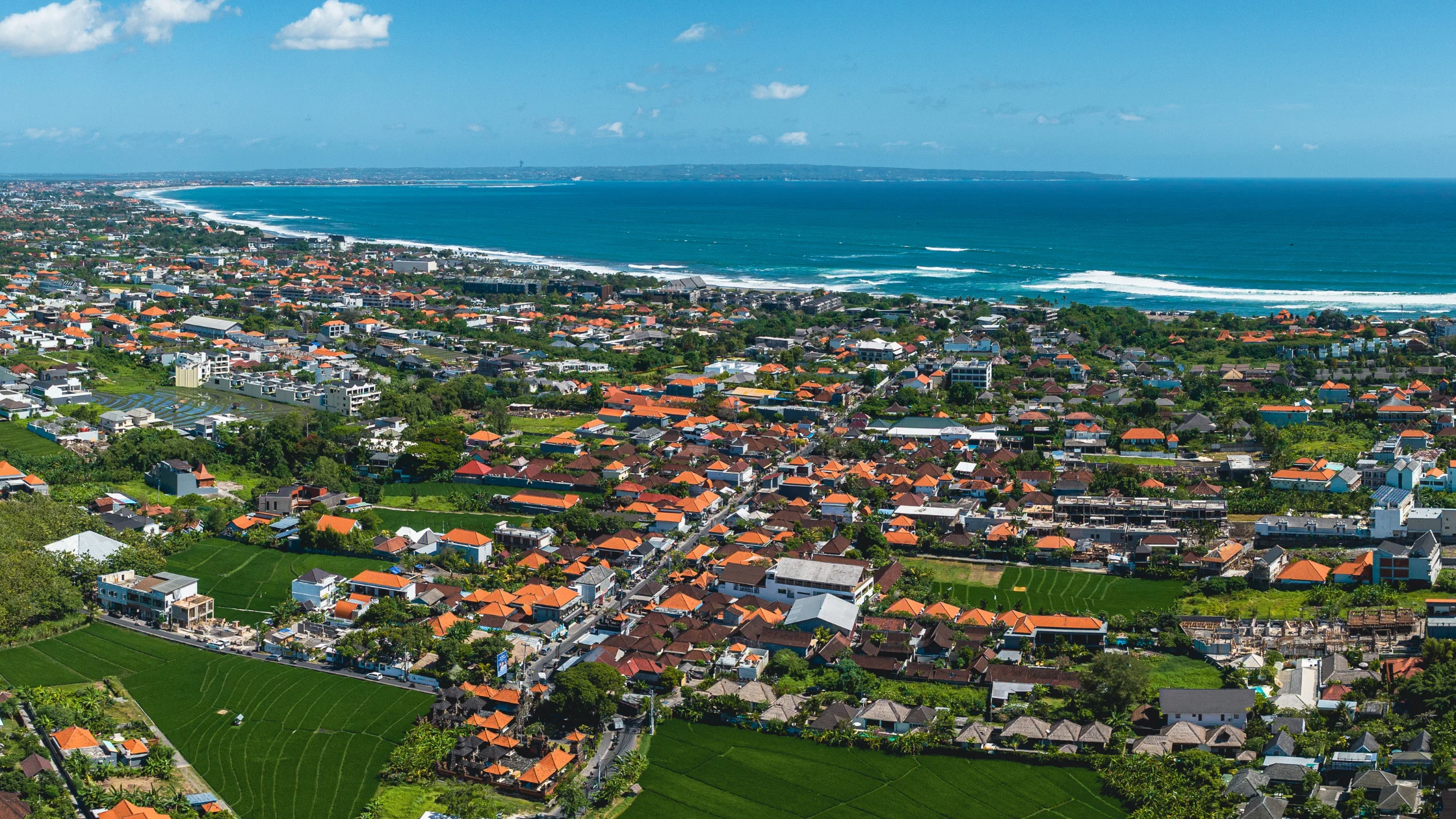
Nestled between rice fields and the Indian Ocean on Bali’s southern coast, Canggu has evolved from a sleepy fishing village into a bohemian enclave famed for its surf breaks and vibrant wellness scene. Travelers are drawn to the town’s laid‑back energy, modern cafés, eclectic street art and a sense of community that makes even solo visitors feel at home. Yoga studios and surf shacks sit alongside vegan eateries, boutique shops, and beach clubs...an inviting blend that creates the perfect environment for yoga and surf retreats. In this comprehensive guide, we explore what makes Canggu special, the seasonal rhythms of Bali, how yoga and surfing complement one another, what to expect from a typical retreat schedule, budget considerations, and practical travel advice.
Why Choose Canggu for a Yoga & Surf Retreat?
Canggu stands out among Bali’s coastal towns because it blends modern conveniences with authentic Balinese culture. Here are some reasons why yogis and surfers flock to Canggu:
-Varied Surf Breaks: Canggu’s coastline features a range of surf spots...from gentle, long‑rolling waves ideal for beginners to more challenging reef breaks. This variety allows newcomers and seasoned surfers to progress at their own pace.
-Thriving Yoga Scene: Dozens of studios and retreat centers offer diverse classes...from restorative yin sessions to dynamic vinyasa flows. Retreats often combine yoga with workshops on meditation, breathwork, and personal development.
-Health‑Focused Cuisine: You’ll find smoothie bowls, cold‑pressed juices, raw desserts, and plant‑based dishes on nearly every corner. The emphasis on fresh, wholesome food supports detox and fitness goals.
-Community Vibe: Canggu is known for its friendly ex‑pat and traveler community. Weekly markets, live music, beach cleanups, and group activities encourage socializing. Retreats often incorporate communal dinners and excursions to foster connections.
-Accessibility: Ngurah Rai International Airport in Denpasar is about 45–60 minutes away by car, making Canggu easy to reach. Bali’s infrastructure has improved in recent years, and private drivers or ride‑hailing apps provide reliable transport.
Understanding Bali’s Seasons: When to Go
Bali has a tropical climate defined by a dry season and a wet season rather than four distinct seasons. When planning your retreat, it’s important to consider how weather may impact surf conditions, crowd levels, and retreat prices.
Dry Season (April–October)
The dry season coincides with Bali’s peak tourist months. From April through October, you can expect sunny days, low humidity, and consistent swell. Winds are generally offshore in the mornings, creating clean waves that are ideal for surfing. These months also offer comfortable conditions for outdoor yoga classes, sightseeing, and exploring waterfalls or temples. The downside is that flights and accommodation tend to be more expensive, popular spots are busier, and retreats often book out months in advance.
Wet Season (November–March)
During the wet season, Bali experiences higher humidity and afternoon downpours. However, rainfall usually comes in short, dramatic bursts rather than all‑day storms. The ocean becomes warmer, and while surf conditions can be messy at times, there are still quality waves. Retreats during the wet season are generally more affordable and less crowded. You’ll have more space on the beaches and in cafes, and accommodations often offer discounts. A few muddy roads and occasional rain showers are a small price to pay for solitude and savings.
Shoulder Months
March and April as well as September and October fall in the shoulder periods. These months often deliver the best of both worlds...reasonably good waves, pleasant weather, smaller crowds, and moderate prices. If you want to balance budget and conditions, shoulder months are an excellent choice.
How Yoga and Surfing Complement Each Other
The synergy between yoga and surfing is not coincidental. Both practices emphasize balance, breath, and mindfulness. Integrating the two can accelerate progress and deepen your connection to the ocean and yourself.
Balance and Core Strength
Yoga poses...particularly standing balances and core work...build the stability required to ride waves. Surfers need strong legs and engaged core muscles to pop up quickly and maintain control on the board. Regular yoga practice enhances proprioception (awareness of body position) and helps prevent injuries caused by sudden movements or uneven terrain.
Flexibility and Range of Motion
Paddling into waves involves repetitive shoulder movement. Without proper stretching, muscles can become tight, leading to discomfort or strain. Yoga’s focus on opening the hips, chest, and shoulders counteracts the muscular imbalances that surfing creates. Backbends, twists, and deep stretches release tension and make it easier to transition from paddling to standing.
Breath Control and Mindfulness
Breath is central to both yoga and surfing. Yogis use pranayama (breathing techniques) to steady the mind and generate internal heat. Surfers hold their breath under the water, and learning to control the breath is essential for staying calm in challenging situations. Meditation and mindfulness practices enhance focus and help surfers read the ocean, anticipate sets, and respond to changing conditions.
Mental Resilience
Surfing is a lesson in patience and perseverance...you may spend hours catching only a handful of waves. Yoga teaches acceptance, non‑attachment, and the ability to stay present. Together, they nurture resilience, reduce stress, and foster a sense of accomplishment.
Types of Yoga & Surf Retreats in Canggu
Canggu’s retreats cater to a diverse group of travelers—solo adventurers, couples, digital nomads, and groups of friends. While no two programs are identical, they often fall into broad categories:
1. Beginner Surf & Yoga Holidays
Ideal for those who have never surfed or practiced yoga before. Programs provide hands‑on instruction in small groups, ensuring that each participant feels supported. Surf lessons cover ocean safety, paddling technique, and how to read waves. Yoga classes focus on building foundational alignment and breath awareness. Packages may include excursions to nearby temples, cultural workshops, or sunset beach gatherings.
2. Intermediate or Advanced Surf & Yoga Camps
Designed for participants who already have some experience. The focus shifts toward refining technique...improving board control, carving turns, or attempting faster pop‑ups. Yoga classes may explore more challenging postures, arm balances, or inversions. Retreats often include guided video analysis of your surf sessions, personalized coaching, and workshops on injury prevention.
3. Fitness‑Focused Retreats
These programs incorporate cross‑training elements such as HIIT (high‑intensity interval training), functional movement classes, or boxing alongside yoga and surfing. The goal is to boost cardiovascular endurance, strength, and overall fitness. Participants might start the day with a sunrise beach run, followed by a surf session and end with a restorative yin yoga class.
4. Mindfulness & Healing Retreats
For travelers seeking inner transformation, mindfulness‑oriented retreats combine yoga and surfing with meditation, breathwork, journaling, and holistic therapies. Sound baths, cacao ceremonies, or Balinese cleansing rituals may be part of the curriculum. Even the surf component becomes a moving meditation...participants learn to trust the ocean’s rhythm and develop intuitive surfing.
5. Community‑Driven Retreats
Some retreats emphasize building connections through group activities. Communal meals, shared accommodations, and collaborative workshops encourage participants to form friendships and support networks. These programs might include group volunteering, beach cleanups, or community outreach projects, giving travelers a deeper sense of purpose.
What a Typical Day Looks Like
Here’s an example of a typical day on a Canggu yoga & surf retreat:
- 7:00 AM: Sunrise vinyasa yoga session
- 8:30 AM: Healthy breakfast with tropical fruits and smoothie bowls
- 10:00 AM: Surf session or beach time
- 1:00 PM: Group lunch or time to explore cafes
- 3:00 PM: Free time or wellness workshops (breathwork, journaling, etc.)
- 5:00 PM: Sunset yin or restorative yoga
- 7:00 PM: Communal dinner or evening outing
Some retreats also include ceremonies, sound healing, Balinese cultural activities, or spa time.
Costs & What’s Included
Retreat prices in Canggu vary based on duration, accommodation, and inclusions. Here's a general idea:
| Retreat Length | Budget (Shared) | Mid-Range | Luxury (Private) |
|---|---|---|---|
| 4–5 days | $400–$700 | $800–$1,200 | $1,500+ |
| 7–10 days | $800–$1,200 | $1,400–$2,000 | $2,500+ |
What’s usually included:
- Daily yoga and/or surf sessions
- Accommodation (from dorms to villas)
- Breakfast or full board
- Airport transfer (in some packages)
- Workshops or excursions
- Use of surf gear or yoga mats
Prices for yoga and surf retreats in Canggu can vary widely based on accommodation style, program inclusions, duration, and season.
Budget Retreats (Approx. USD 800–1,200 for 7 Days)
Budget programs provide simple but clean accommodations...often shared rooms or dorm‑style setups. Daily yoga and surf classes, breakfast, and occasionally lunch are included. You may need to purchase additional meals or rent a scooter separately. These retreats are popular with backpackers and travelers prioritizing the experience over luxury.
Pros: Affordable, chance to meet like‑minded travelers, minimal extras
Cons: Basic amenities, larger class sizes, limited personalized coaching
Mid‑Range Retreats (Approx. USD 1,300–2,000 for 7 Days)
Mid‑range retreats include private or semi‑private rooms, air conditioning, and comfortable communal spaces like pools or gardens. Packages typically cover two daily yoga classes, daily surf lessons, three meals, and local excursions. Transportation to surf spots is included, and some programs provide airport pickup.
Pros: Balanced value, comfortable amenities, broader activity selection
Cons: More expensive than budget retreats, but still more accessible than luxury options
Luxury or Boutique Retreats (Approx. USD 2,200+ for 7 Days)
High‑end retreats offer chic villas or boutique hotel suites, gourmet meals prepared by private chefs, and personalized wellness coaching. Class sizes are small, with greater instructor attention. Extra amenities might include spa treatments, private surf guiding, fitness training, and concierge services. Some luxury programs welcome families or couples seeking customized itineraries.
Pros: Premium comfort, individualized instruction, comprehensive wellness
Cons: Highest cost; may feel exclusive or less social compared to budget or mid‑range options
Seasonal Price Fluctuations
Prices tend to increase during the dry season (especially July–August) due to greater demand. Wet‑season retreats may offer discounts of 20–30 %. Shoulder months often see moderate pricing and occasional deals. Booking early can secure better rates, particularly for popular time slots.
Additional Expenses
Even if most of your needs are covered, factor in the following:
-Flights: International airfare can vary depending on your departure city. From the United States or Europe, flights can range from USD 700–1,200 round trip if booked early.
-Visas: Many travelers receive a 30‑day visa on arrival for a fee (around USD 30). Check current regulations and renewals.
-Transport: Motorbike rentals cost around USD 5–10 per day. Taxi or ride‑hailing services for airport transfers range from USD 20–40.
-Personal Spending: Budget for massages (USD 10–30 per hour), café visits, souvenirs, and laundry.
-Insurance: Travel and health insurance that covers surfing and physical activities is recommended.
Travel Tips for a Fulfilling Canggu Experience
-Pack for Variety: Bring lightweight clothing for yoga practice (breathable leggings, tank tops), reef‑safe sunscreen, rash guards for surfing, and a reusable water bottle. Include a light rain jacket if traveling during the wet season.
-Respect Local Customs: Balinese culture is rich in rituals and ceremonies. Dress modestly when visiting temples (cover shoulders and knees), and be mindful of offerings placed along sidewalks. Learning a few basic Indonesian phrases (“terima kasih” for thank you) goes a long way.
-Stay Hydrated: Bali’s tropical climate can be intense. Drink plenty of water, and consider electrolytes to replenish minerals after surfing or hot yoga sessions.
-Sun Safety: The equatorial sun is strong. Wear zinc or mineral sunscreen, hat, and polarized sunglasses to protect your skin and eyes. Reapply after surfing or sweating.
-Embrace Community: Join local events like beach cleanups, live music nights, or sunset gatherings at the lawn by Batu Bolong. These experiences deepen your connection with fellow travelers and locals, reinforcing the retreat’s emphasis on community vibes.
-Be Flexible: Even the best‑planned itinerary may change due to weather or surf conditions. Approach your retreat with openness...rain showers may prompt indoor yoga or meditation; smaller surf days are perfect for practicing on long boards.
Explore Beyond Canggu: Consider day trips to Ubud’s lush rice terraces, Uluwatu’s cliffside temple, or the waterfalls in the north. Bali is relatively small, and many destinations can be reached within a two‑hour drive.
Who This Is For
Canggu yoga and surf retreats are ideal for:
- Solo travelers: Easy to meet like-minded people
- Digital nomads: Wellness by day, laptop by night
- Adventure seekers: Surf and yoga, plus volcano hikes or diving nearby
- Burnout recovery: The perfect blend of movement, community, and tropical healing
Sustainability and Cultural Respect
Canggu’s rapid growth has brought economic opportunities and challenges. Visitors can support sustainable tourism by:
-Choosing Eco‑Conscious Retreats: Opt for programs that use local organic produce, support waste reduction, and employ Balinese staff.
-Reducing Plastic Use: Bring reusable bags, utensils, and water bottles. Many cafes offer refill stations for free or a small fee.
-Engaging with Local Businesses: Shop at markets, dine at family‑owned warungs, and hire local guides. This ensures that your spending directly benefits the community.
-Acknowledging Balinese Culture: Bali’s spirituality permeates everyday life. Respect ceremonies, avoid stepping on offerings, and be patient if traffic slows for a procession.
Finding Your Flow in Canggu
Canggu’s yoga and surf retreats offer more than just a holiday; they provide a transformative experience that harmonizes body, mind, and community. The town’s unique combination of world‑class waves, diverse yoga offerings, nutritious cuisine, and welcoming atmosphere creates fertile ground for self‑discovery and growth. Whether you’re seeking to improve your pop‑ups and sun salutations, embrace a mindful lifestyle, build friendships, or simply escape daily routines, Canggu invites you to immerse yourself in its rhythm.
By understanding Bali’s seasons, comparing retreat costs, and following travel tips, you’ll be well‑prepared for a journey that balances adventure with inner peace. Pack your board and your mat, bring an open heart, and let Canggu’s vibrant energy guide you toward fitness, flow, and community vibes.
Share this article