Goa vs Rishikesh: Which Yoga Destination Is Right for You?
Compare climate, vibe, cost, food, and yoga experiences in Goa vs Rishikesh to find the ideal yoga travel destination for your style and wellness goals.
Both Goa and Rishikesh are world-famous yoga hubs in India, but they offer very different experiences. Rishikesh - nestled in the Himalayan foothills on the Ganges ... has long been considered the “Yoga Capital of the World”, attracting spiritual seekers and pilgrims with its traditional ashrams and Himalayan serenity. In contrast, Goa, on India’s tropical west coast ... is increasingly billed as “the new Rishikesh,” blending beaches and a laid-back holiday vibe with yoga and wellness. Let’s compare these two destinations across climate, cost, food, nature, yoga offerings, and solo‑travel friendliness to help you decide which fits your travel style and intentions.
Climate & Seasonality
Goa: Goa has a tropical coastal climate with warm, dry winters and a rainy monsoon. The peak tourist season is November through February, when daytime temperatures are very pleasant (about 21–30 °C) and humidity is low. Goan winters are sunny and ideal for beach yoga and sightseeing. The off‑season runs March–October. Early summer (March–May) heats up (often above 35 °C), but this is when hotels offer steep discounts. The monsoon (June–September) brings daily rains and lush green scenery - the beaches and forests become tropical and nearly empty of tourists. In fact, Goa in monsoon is “a lush green paradise” with few crowds, making it a great time for nature lovers and bargain travelers (though swimming can be dangerous and many beach shacks close).
Rishikesh: Rishikesh’s climate is subtropical and seasonal. The best weather is during autumn (Sep–Nov) and late winter–spring (Feb–May), when days are warm and dry. Winters (Oct–Feb) in Rishikesh are generally sunny in the daytime (about 12–25 °C) but can be quite cold at night (often 6–10 °C). Summers (March–May) become very hot (30–40 °C) and humid, which can make midday yoga challenging. The monsoon (June–September) brings moderate to heavy rains: daytime highs around 24–34 °C but with frequent showers. Trails and roads can flood during monsoon. In short, Rishikesh has four seasons: a cool, dry winter; a hot spring; a rainy monsoon; and a mild autumn. The most comfortable times to visit are fall and spring ... exactly when major yoga festivals (like the International Yoga Festival in March) draw crowds.

Vibe & Culture
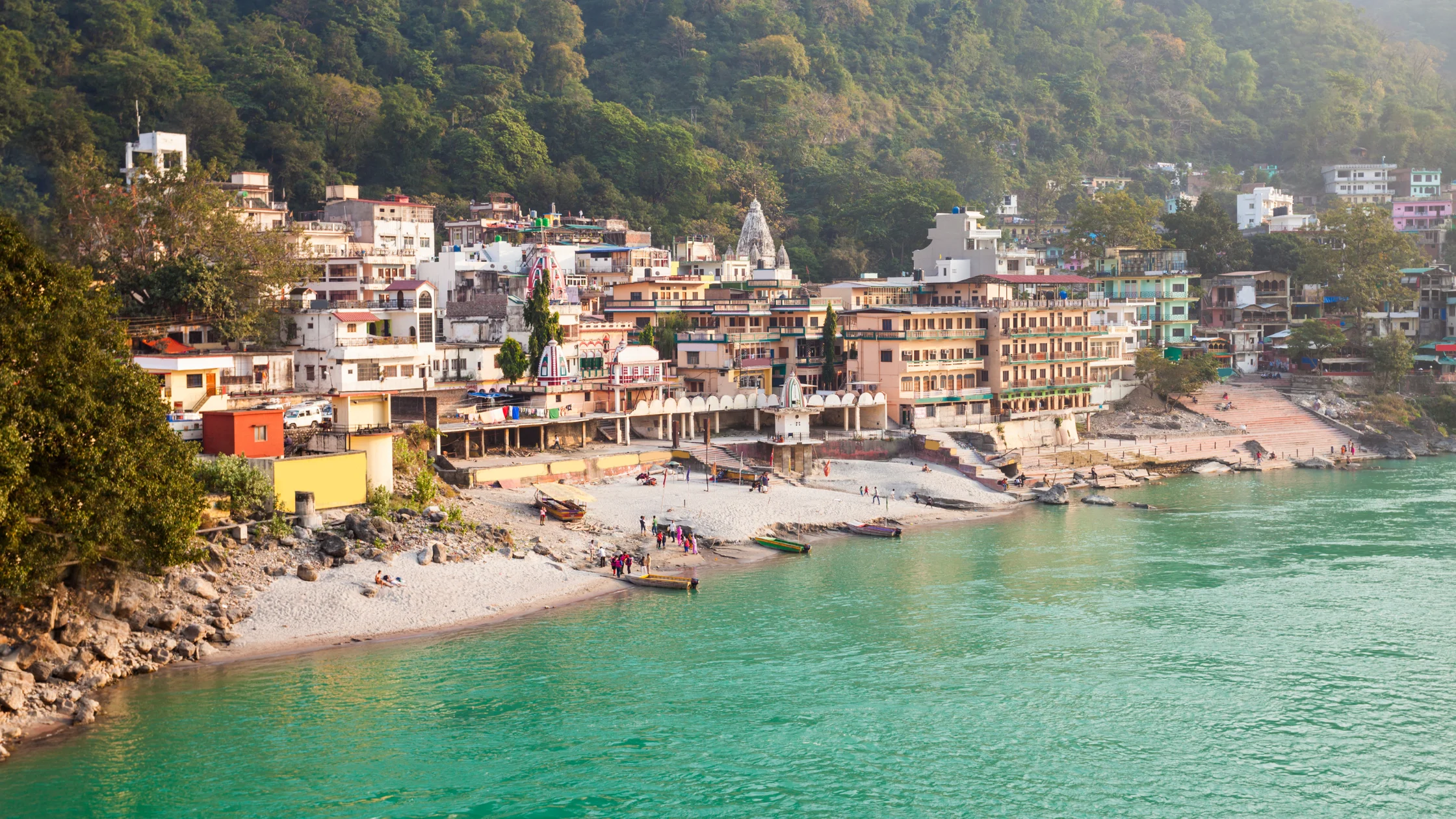
Rishikesh: The overall atmosphere in Rishikesh is deeply spiritual and traditional. As a sacred city on the Ganges, it’s dotted with ancient temples, chanting pilgrims, and daily Ganga Aarti ceremonies along the river banks. Many visitors go to Rishikesh expecting quiet, disciplined ashram life: mornings start with meditation or mantra, and days include multiple yoga/meditation sessions. The DivinePath guide sums it up: Rishikesh offers a “traditional, spiritual, and simple” lifestyle, attracting mostly pilgrims, spiritual seekers, and backpackers. Nightlife is virtually non‑existent, and much of the city is alcohol‑ and meat‑free. The mood is contemplative ... ideal for deep self-work, but it can feel austere if you’re craving modern comforts or entertainment.
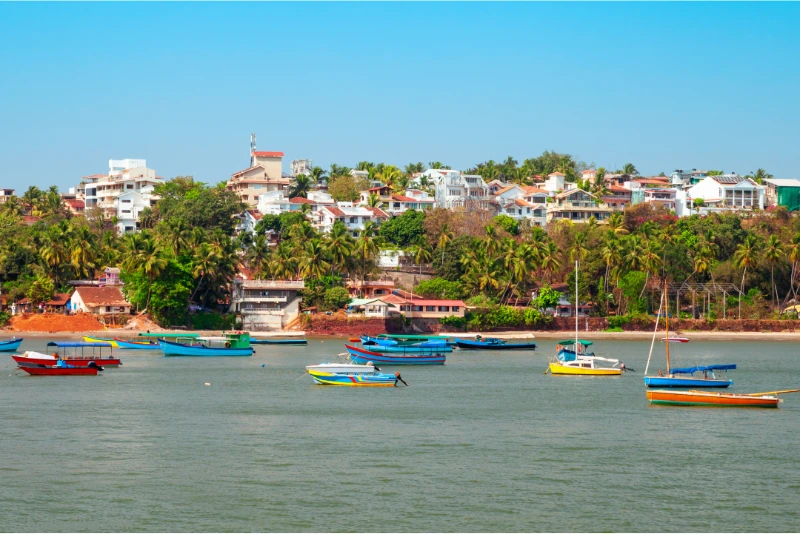
Goa: By contrast, Goa has a vibrant, beachy, and cosmopolitan vibe. International travelers mingle with Indian tourists on the beaches and in the cafés. Goa’s culture blends traditional Indian spirituality with a relaxed, somewhat Westernized ethos. You’ll often practice yoga with the sea breeze in your hair or watch the sunset by open-air studios. While Goa does have quieter “asthanams” (ashram-like centers) for meditation, much of its yoga scene is fused with fun: beach parties, live music, and healthy food cafes. According to DivinePath, Goa’s lifestyle is “relaxed, modern, and social,” and its typical crowd includes yogis and party‑goers. In short, Goa offers spirituality on a lighter, more contemporary scale ... think sun salutations at dawn on the sand, then sightseeing or a night out in the evening. This mix of tradition and fun is why many wellness travelers say Goa is “a cocktail of tradition and modernity”.
Cost of Travel and Stay
Rishikesh: Generally, Rishikesh is more budget‑friendly than Goa. Room rates for guesthouses and ashrams tend to be lower, especially outside the peak season. The DivinePath guide bluntly notes: “Rishikesh is cheaper than Goa” ... living costs and training courses are “generally lower” in this traditional economy. Simple vegetarian meals and local transport (buses, shared jeeps) add up cheaply. You can even stay in ashram dorms or low‑cost hostels for $10–20 per night in many cases.
Goa: Goa has a wide price range but can be significantly more expensive, especially at popular beach destinations (Baga, Anjuna, Palolem, etc.) and during peak season. Beachfront resorts and modern yoga retreats charge premium rates. Dining out can cost more as well (since there are many imported ingredients and international menus). The peak season (Nov–Feb) sees hotel and flight prices “through the roof,” so booking well in advance is recommended. Even budget travelers will pay more in Goa than in Rishikesh for similar quality lodging. However, Goa also has many hostels and homestays, and the monsoon offseason (Jun–Sep) brings steep discounts across the board.
Food & Cuisine
Rishikesh: As a holy city, much of Rishikesh’s dining is vegetarian and simple. Many cafes and ashrams serve sattvic meals (no onions, garlic, or meat) to honor local spiritual traditions. Alcohol is prohibited in several sacred zones, and even where it’s not banned, it’s generally not the focus. Expect dal chawal (lentils and rice), sabzi (vegetable curry), chapati/poori, fresh juices, and herbal teas. There are a few international cafes catering to yogis (smoothies, pasta, etc.), but overall choices lean healthy and homey. For yogis focused on diet, this strict vegetarian environment can be a blessing ... it’s easy to eat clean.
Goa: Goa’s cuisine is diverse and international. Seafood is plentiful (fish curry, prawns, crab) thanks to the coast. You’ll also find Goan curries (often with coconut), breads, and sweets, reflecting the region’s Indo-Portuguese heritage. Vegans and vegetarians are very well served too ... many cafes serve fresh salads, smoothie bowls, and vegan desserts. Alcohol (especially beer, wine, and the local spirit feni) is widely available and woven into the social scene. In short, Goa offers “a wide variety of cuisines, including seafood,” along with raw/organic/Western options. If you love tasting new foods and don’t mind splurging on a meal or two, Goa can be a culinary treat.
Nature & Setting
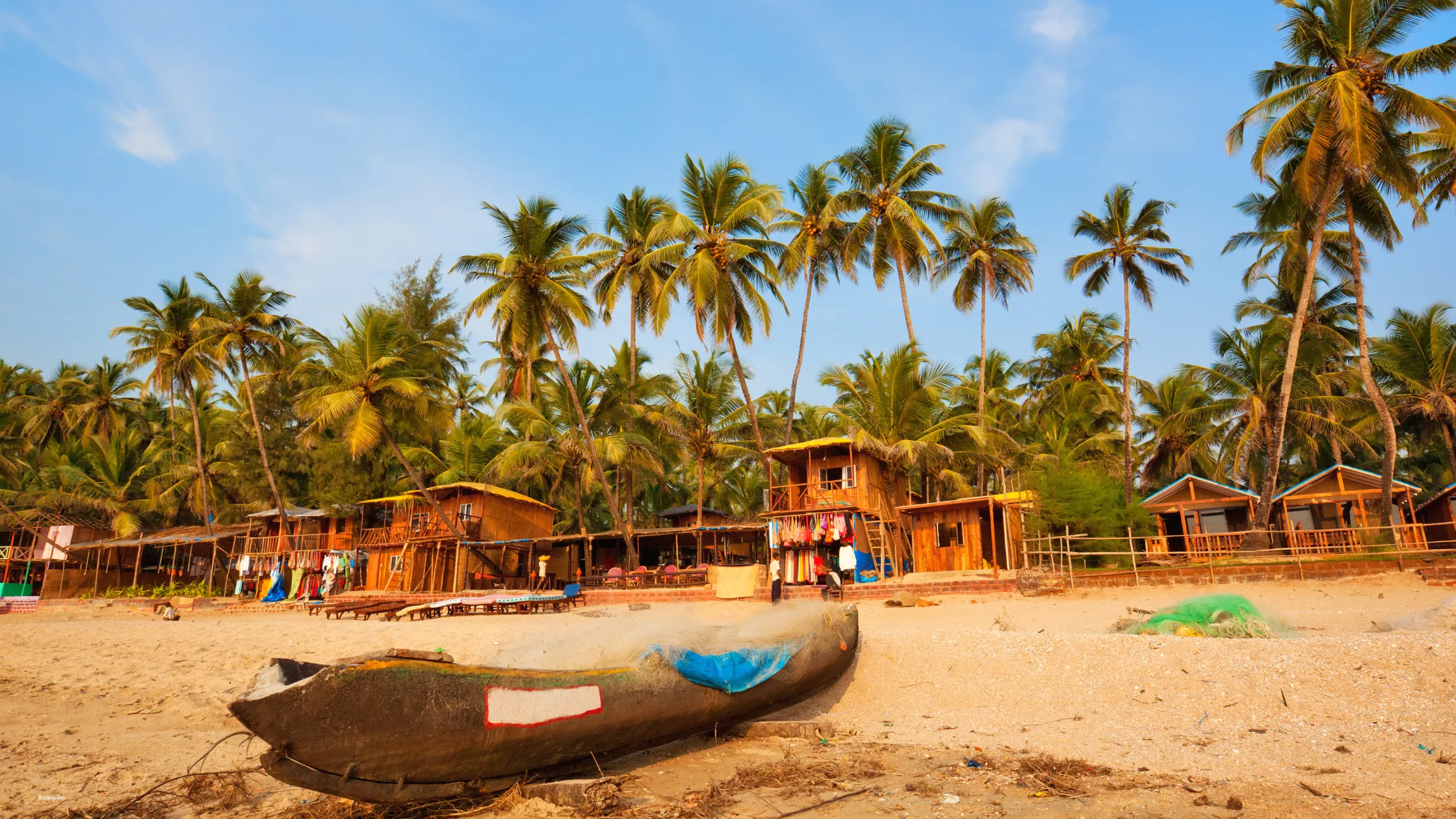
Goa’s setting is tropical and coastal. Imagine miles of sandy beaches lined with palm trees, the blue Arabian Sea on one side and dense green forests or spice plantations on the other. Sunrise beach yoga and sunset meditations are standard fare. Even in town areas like North and South Goa, the vibe is laid-back, open-air shacks, yoga decks facing the ocean, and muddy trails through jungles. The monsoon season turns the landscape especially lush; backwaters, waterfalls (Dudhsagar), and rice paddies recharge, making off-season Goa extraordinarily scenic.
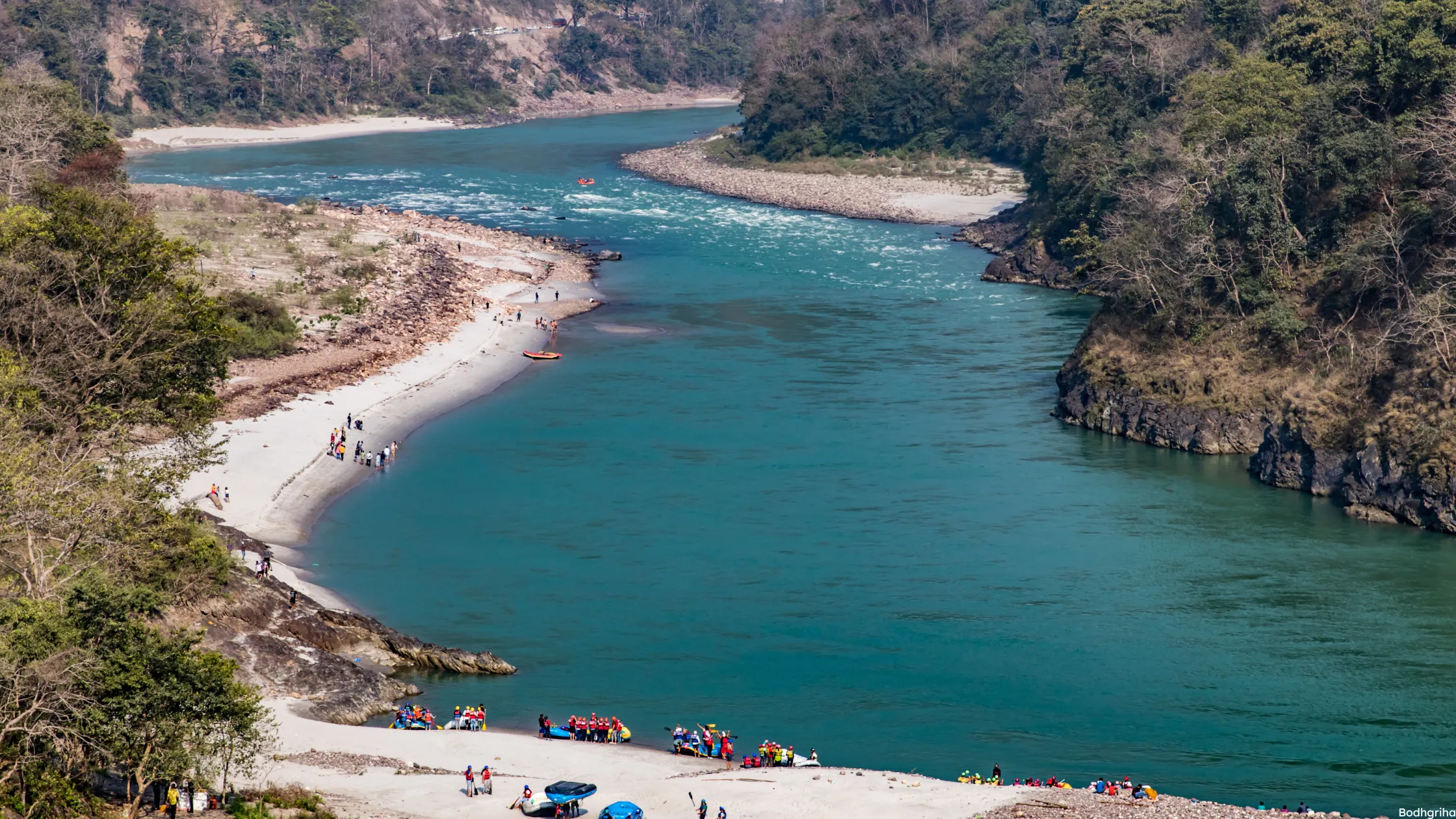
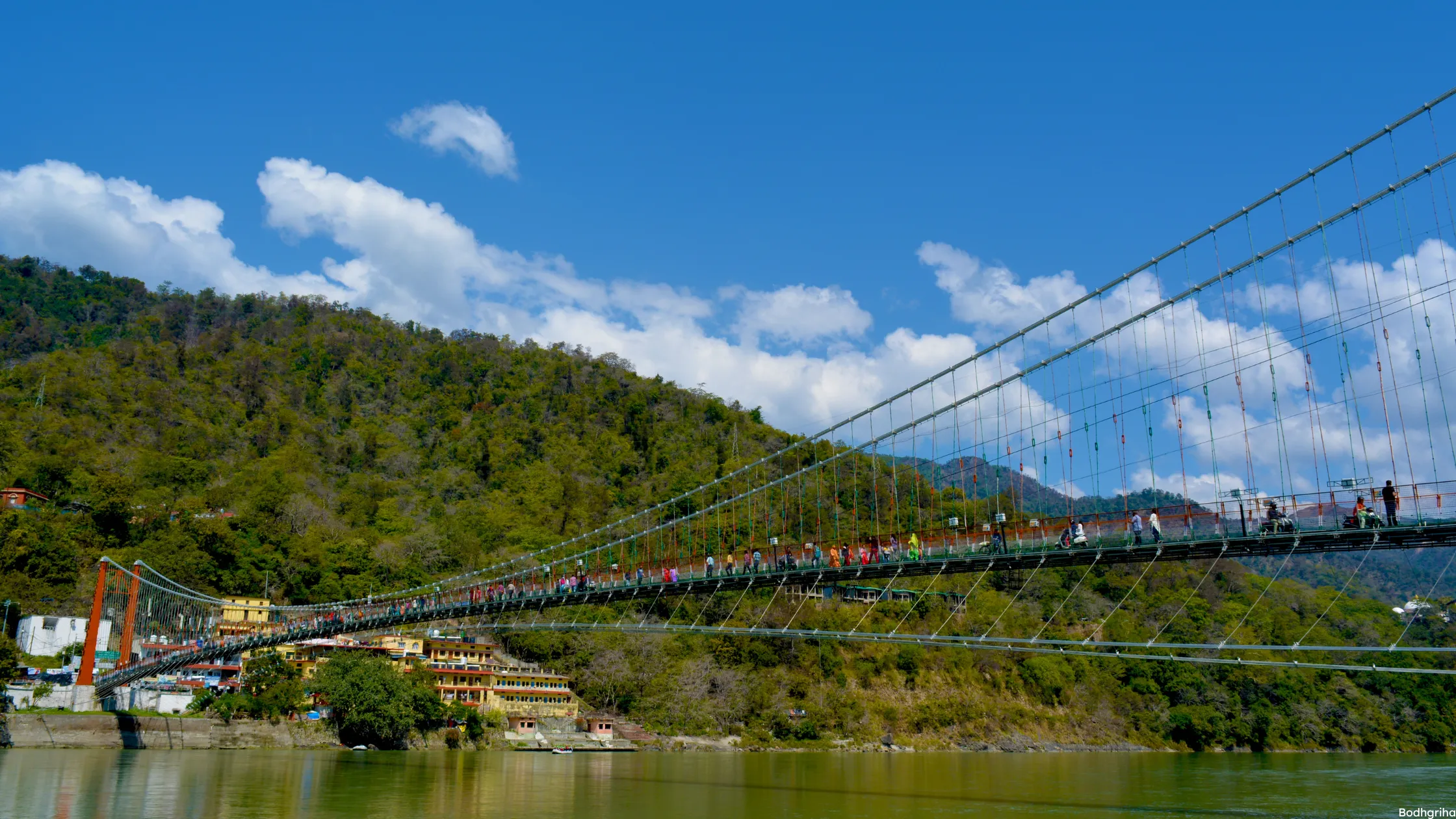
 Rishikesh’s setting is mountainous and riverine. It sits at the foothills of the Himalayas, with misty peaks visible on clear mornings. The Ganges river flows swiftly through town, and you’ll hear its roar during white-water rafting season. The banks are dotted with temples and ashrams ... sacred sites like Triveni Ghat or iconic bridges (Lakshman Jhula) that embody spirituality. Lush forests and hiking trails climb the surrounding hills. In short, if you crave crisp mountain air, river baths, and panoramic forested views, Rishikesh delivers; if you prefer sea breezes and beach horizons, Goa does.
Yoga Experiences Available
In Rishikesh, yoga is woven into daily life. Hundreds of ashrams and yoga schools line the river, many offering traditional Hatha and Ashtanga yoga classes, meditation sessions, mantra chanting, and philosophy lectures. You might wake early to join a silent Ganges Aarti or a kriya yoga session by the water. Classes are often led by seasoned Indian teachers or swamis steeped in yogic lineage. Rishikesh also hosts major events like the International Yoga Festival (every February–March) which brings hundreds of practitioners together for yoga, kirtan, and dance. Many training programs focus on yogic texts, Ayurveda, and pranayama (breath work) as much as asana (poses). In short, Rishikesh is ideal if you want the authentic, traditional immersion in yoga’s roots ... being in an environment that “dives into the roots of yoga”.
In Goa, yoga feels a bit more eclectic and contemporary. In addition to Hatha, you’ll find Vinyasa, Yin, Kundalini, even Aerial or AcroYoga classes, often taught by a mix of Indian and international instructors. Many retreats combine yoga with other wellness practices: Ayurveda massages, detox (panchakarma) programs, sound‑healing or Chakra workshops, and even surf or scuba activities. The settings are often in beachside shalas (studios), forested retreats, or boutique resorts. In Goa you can still do sunrise sadhana, but afterwards go explore the markets or enjoy a beachfront dinner. It’s “yoga with a side of vacation,” with a more balanced mix of practice and play.
Solo Travelers
Both Goa and Rishikesh are popular with solo adventurers, but the experience differs. Rishikesh tends to attract solo spiritual seekers and backpackers who come for meditation retreats or teacher trainings. Many visitors find it quite safe to travel alone here ... the town is relatively small, people are friendly, and ashrams often have communal meals and dorm rooms (so it’s easy to meet fellow travelers). The vibe can be introspective, so solo travelers should be prepared for quieter evenings.
Goa, on the other hand, is a backpacker and solo traveler’s playground. Its hostels, guesthouses, and beach huts cater to individuals from all over the world. It’s very easy to make friends in Goa’s communal hostels or café scenes, and there are plenty of group yoga classes, markets, and events where you can join in. In general, Goa’s social atmosphere makes it effortless for a solo traveler to connect, but likewise the nightlife and parties may be distracting if you’re seeking solitude. Rishikesh’s more disciplined environment means you may find like‑minded company in your ashram or yogic circle, but you’ll need to be comfortable with more alone‑time reflection. Both places are largely safe for solo travelers (especially women), but Goa feels more like a lively international hub, while Rishikesh offers quiet community.
Choosing Your Destination
There is no universally “better” choice ... it depends on your goals and travel style. If you crave a pure, traditional yoga retreat focused on meditation, scripture, and self-discipline (and you’re on a tighter budget), Rishikesh is ideal. Its mountain setting and spiritual culture make it perfect for deep inner work.
On the other hand, if you want a blend of yoga and a fun holiday ... with beach time, modern comforts, and diverse wellness activities - Goa may be the right pick. Goa suits travelers looking for relaxation and variety (yoga in the morning, swimming or sightseeing in the afternoon, live music at night). It’s also great for solo travelers who enjoy meeting international crowds.
In summary, both destinations offer life-changing yoga experiences in India. Rishikesh provides a solid dive into the roots of yoga, with sacred Ganges energy and Himalayan peace. Goa offers a refreshing, modern, balanced approach ... yoga with a beach holiday ambiance. Consider your intention: seeking inner stillness and tradition points to Rishikesh; craving a tropical, well-rounded getaway points to Goa. Regardless of choice, you’ll find rich opportunities for practice and personal growth.
Share this article