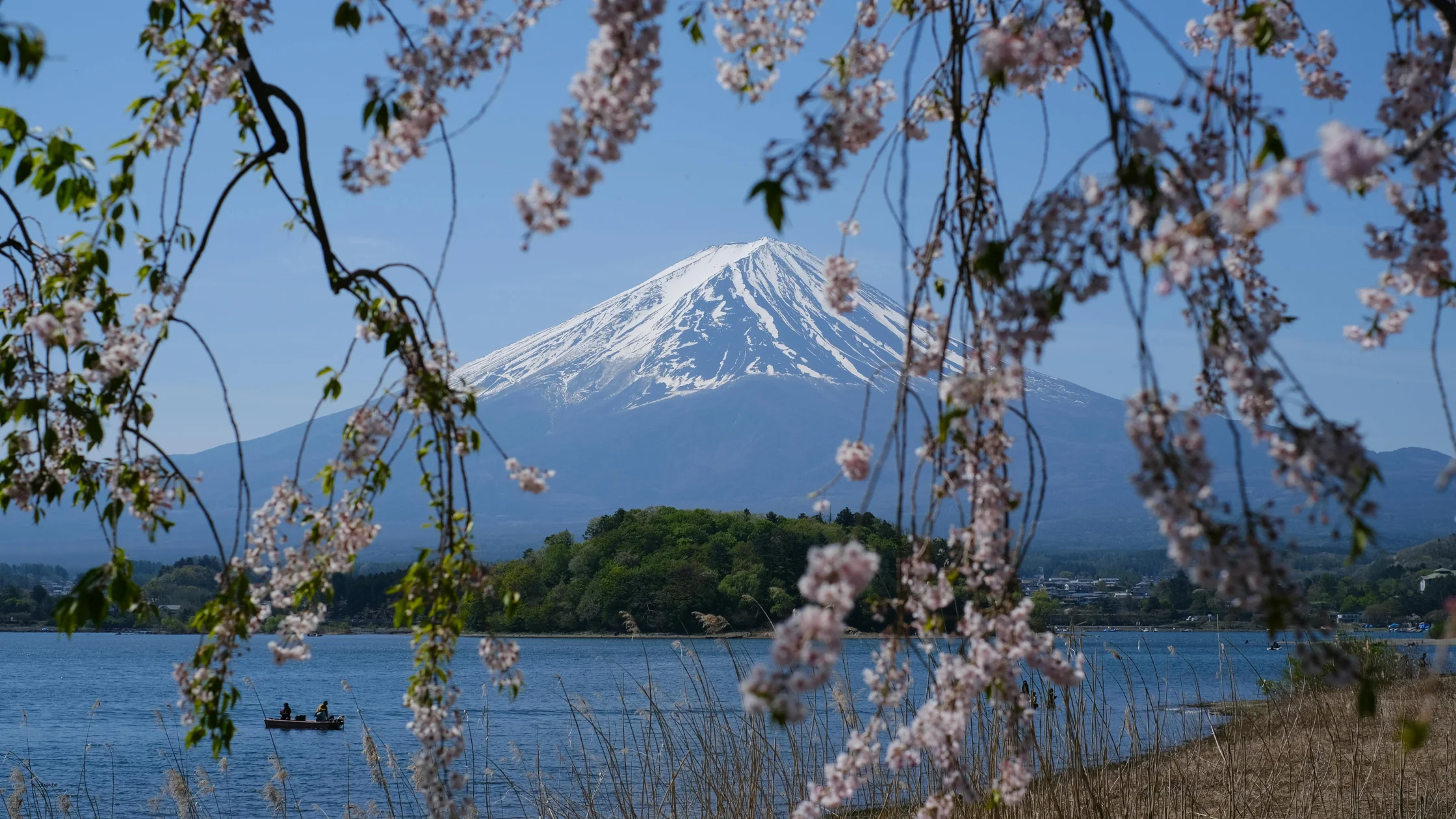
Tranquil Yoga Retreat Destinations in Japan for Nature and Mindfulness Lovers
Discover Japan's best yoga retreat destinations...from mountain monasteries and forest hideaways to coastal zen escapes...ideal for yoga, meditation, and deep renewal.
Japan’s blend of ancient spirituality and pristine nature makes it a uniquely inspiring setting for yoga and meditation retreats. Across the islands, majestic mountains, silent forests, and calm seas create an atmosphere that naturally fosters mindfulness and renewal. In Japan you might practice sun salutations amid cherry blossoms or meditate in a Zen temple garden, often followed by a healing soak in an onsen (hot spring) to complete the mind-body experience. Centuries-old Buddhist and Shinto traditions are woven into daily life, reminding visitors of the harmony between body, mind and nature. This unique cultural landscape of nature and spirituality makes Japan an ideal backdrop for yoga retreats of all kinds.
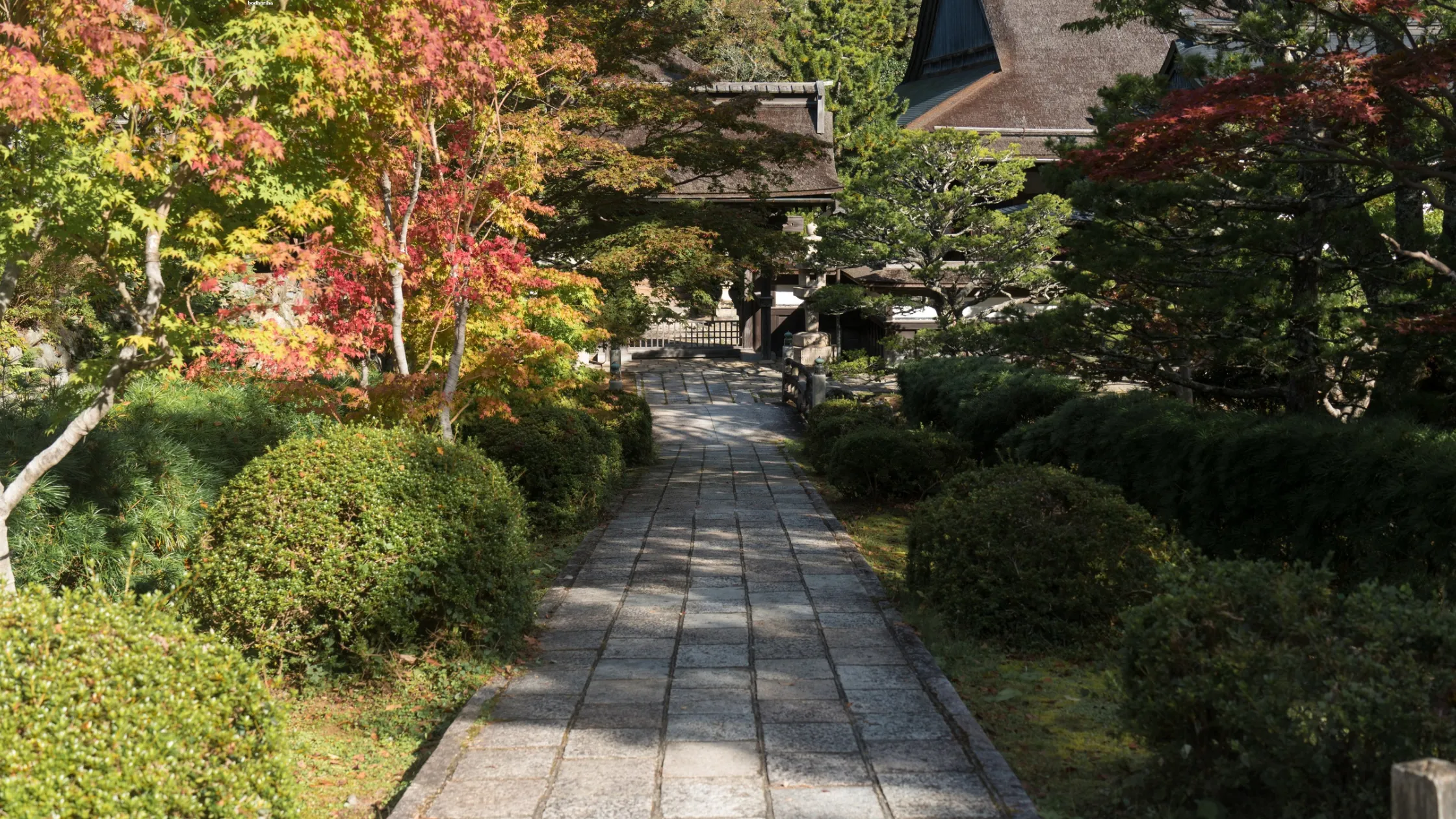
Mount Koya (Koyasan, Wakayama)
High in the forested Kii Mountains lies Mount Koya (Koyasan), a mystical plateau that has been a center of Shingon Buddhism for over 1,200 years. The entire area is a UNESCO World Heritage pilgrimage site, with over one hundred temple complexes surrounded by cedar groves and maple forests. Mist often drifts through its ancient cemeteries and temple courtyards, giving Koyasan an otherworldly quietude.
At the heart of the mountain stands Kongōbu-ji Temple, whose famous Banryūtei rock garden provides an ideal spot for contemplation. Many visitors stay overnight in shukubo (temple lodgings), experiencing monastic routines: joining morning chanting, copying sutras, and enjoying simple vegetarian meals of shojin ryori. These humble temple stays allow practitioners to step away from everyday life and connect deeply with the spiritual energy of the place. In such an environment ... amid soaring pagodas and silent prayer halls ...even a basic yoga or breathing practice feels profoundly centering.
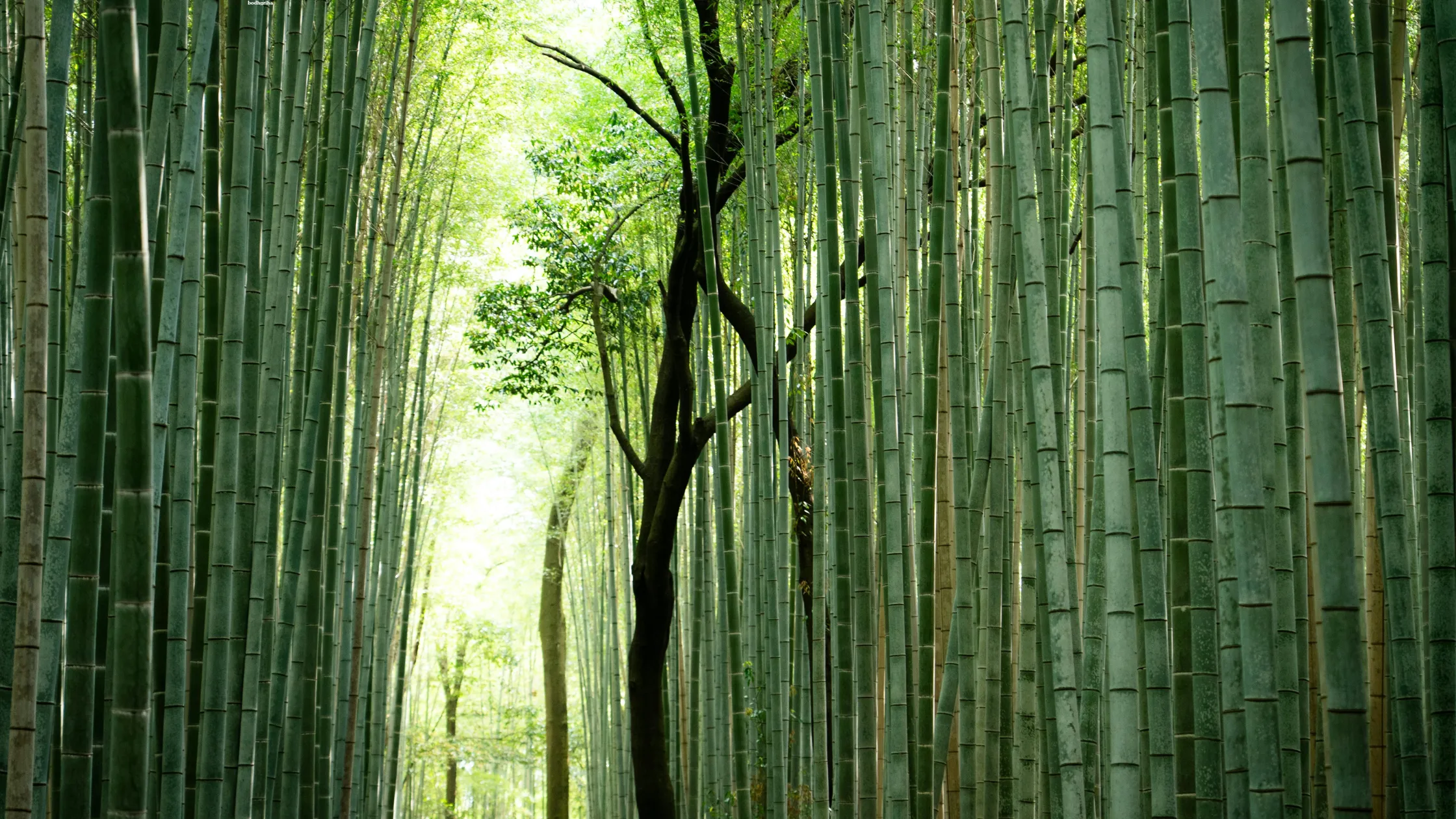
Arashiyama (Kyoto)
Just west of Kyoto city, the Arashiyama district feels like a natural sanctuary amid Japan’s ancient capital. Here the verdant Katsura River winds through bamboo groves and cedar-covered hills, a landscape that has inspired poets and pilgrims for over a millennium. Arashiyama is especially famed for its iconic Bamboo Grove: walking paths lined by towering green stalks create an almost meditative tunnel of swaying light. Temple gardens and hillside forests add to the serenity.
Travelers in Arashiyama often talk about a “peaceful retreat from the urban pace” of Kyoto. In this setting, yoga and meditation naturally incorporate the elements: one might practice breathing exercises by the riverside or a slow flow beneath ancient maples. The district’s seasonal beauty, cherry blossoms in spring, fiery maples in autumn ... enhances the atmosphere of mindfulness. Whether it’s a seated meditation by a mossy garden or a gentle walk through the bamboo, Arashiyama provides a classic example of Japan’s harmony of culture and tranquility.
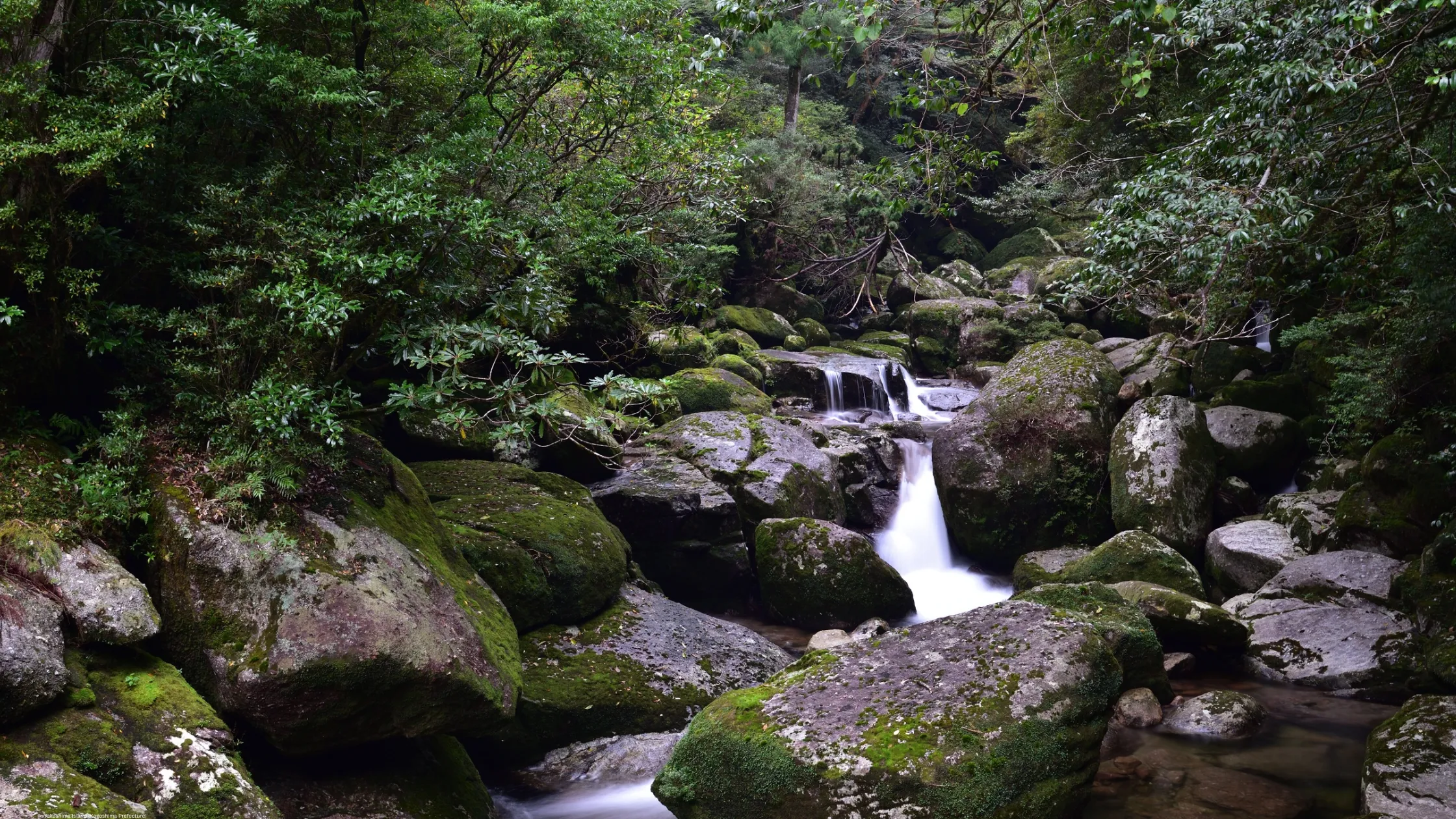
Yakushima Island (Kagoshima Prefecture)
In stark contrast to the manicured temples of Kyoto, Yakushima Island presents a primeval, rainforest landscape ideal for immersive nature retreats. Designated a UNESCO World Natural Heritage site, Yakushima is described as “a rare ecosystem where people and nature coexist." The island’s interior is blanketed by primeval woods of yakusugi cedar (some trees over 1,000 years old), ferns, and moss that make the forest feel almost primeval.
Misty mountain peaks rise above steaming valleys, and the lush forests see the heaviest rainfall in Japan. Retreats here focus on shinrin-yoku (forest bathing) ... slow, mindful hikes through moss-covered groves, where simply listening to birdsong and feeling dappled light on the skin is the practice itself. The ancient forest trails offer deep quiet. Evenings might be spent meditating by secluded waterfalls or on rocky beaches washed by a gentle sea. The sheer diversity of landscapes makes every practice feel connected to the earth.
Izu Peninsula (Shizuoka Prefecture)
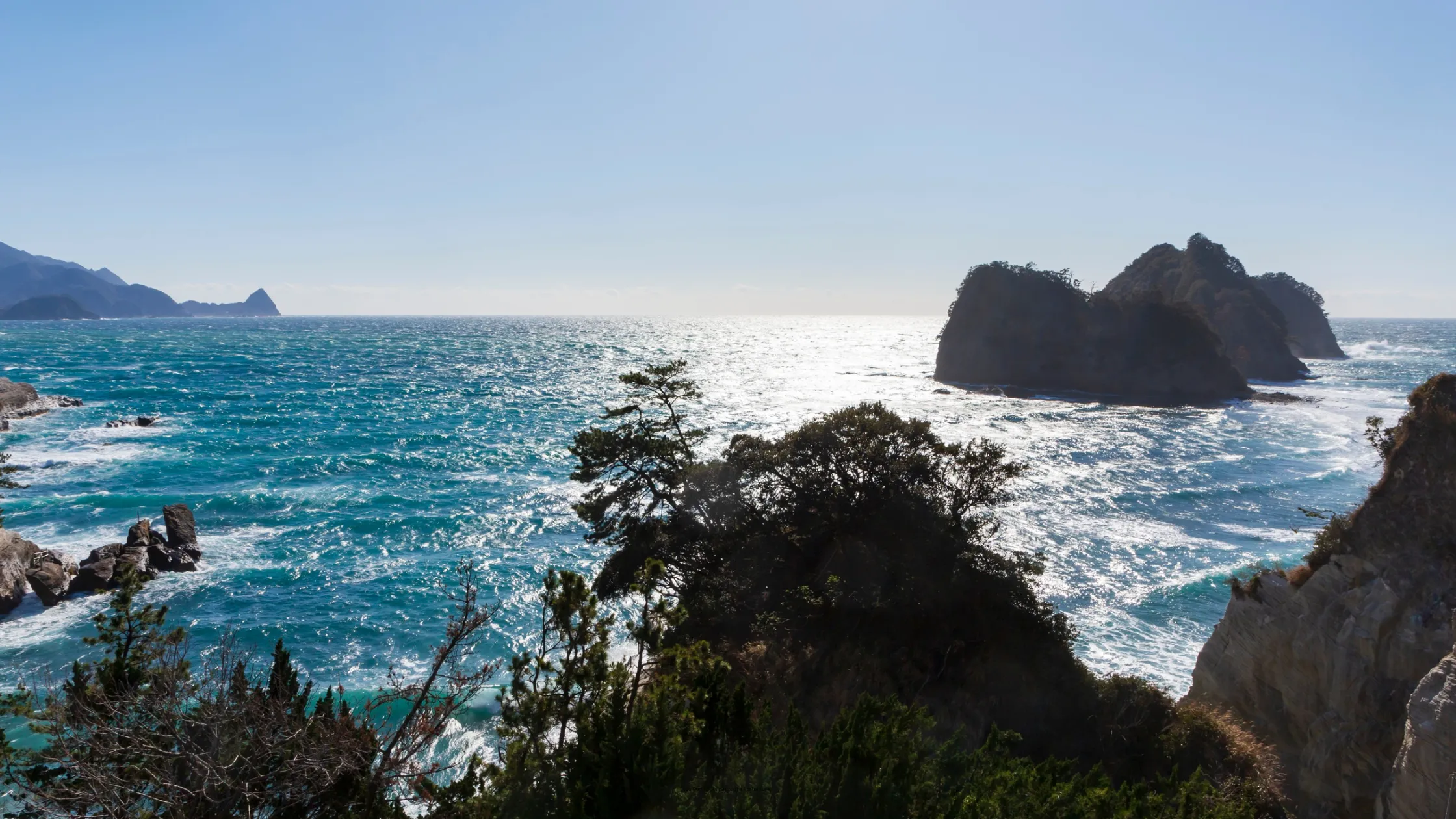
Stretching south from Tokyo, the Izu Peninsula is a volcanic land of rugged coastlines, hot springs, and rich green forests. Part of the Fuji-Hakone-Izu National Park, Izu is known for its dramatic cliffs, secluded bays, and soothing onsens. The terrain here rises sharply from the sea ... within a few kilometers you can climb dense mountain trails reaching 1,400 meters.
The peninsula’s natural hot springs steam in valleys surrounded by cedar woods, and even the coastline offers spiritual spots: shrines perched over the water and legendary “power spots” where earth and sea energies meet. Yoga retreats on Izu often take advantage of both sea and mountains: imagine sunrise salutations on a quiet beach overlooking Sagami Bay, followed by forest walks in cedar groves inland. The mix of energizing ocean views and healing geothermal waters makes it a holistic escape for body and spirit.
Nagano Highlands (Northern Nagano Prefecture)
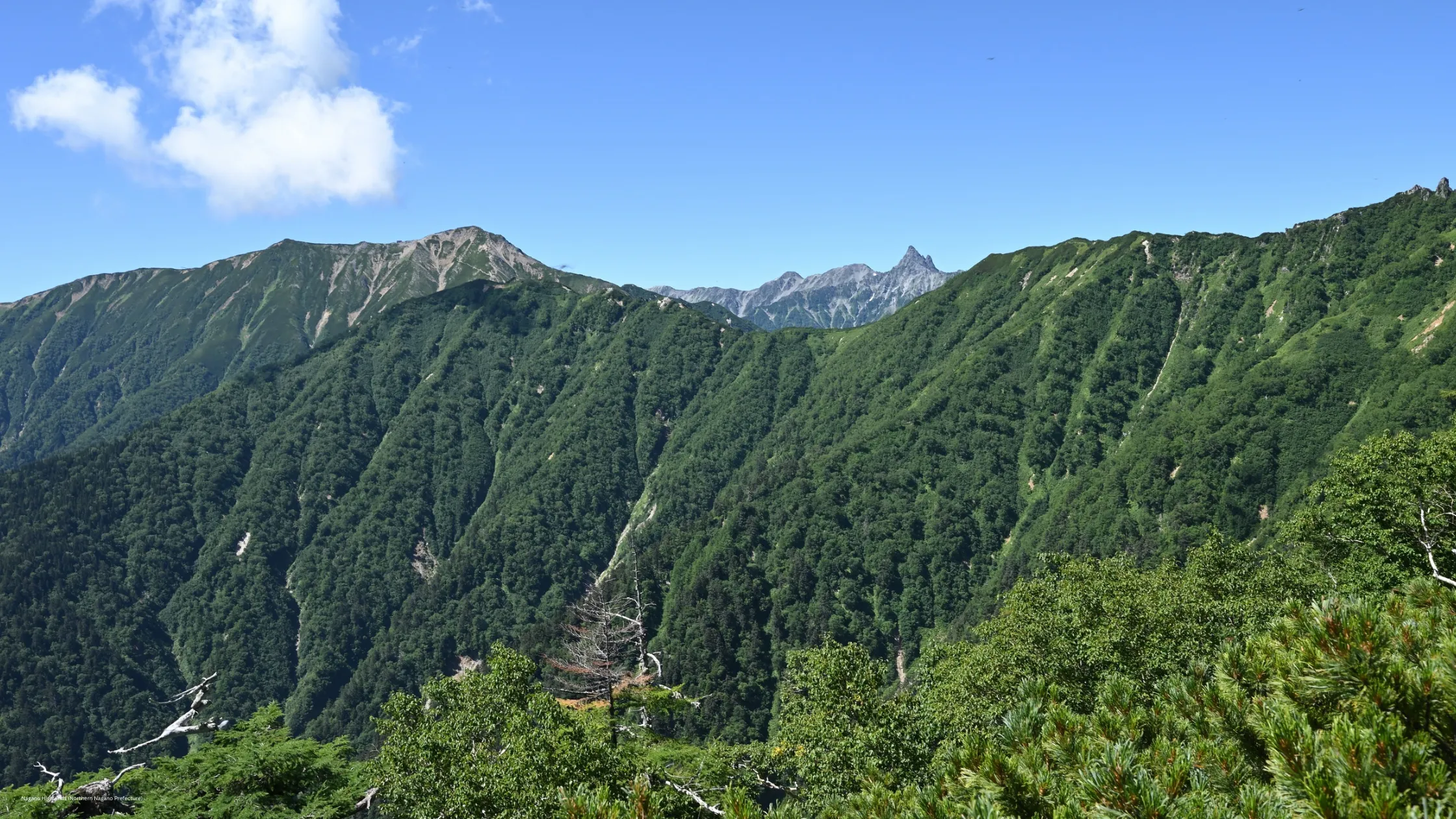
Nagano’s mountainous interior .. often called the Japanese Alps ..has some of the most spectacular mountain scenery in Japan, with dense forests, snow-capped peaks, and alpine lakes. Here the landscape feels vast and wild. In northern Nagano, beech and cedar forests cloak the valleys, and the region is often hailed as the birthplace of shinrin-yoku, or forest therapy.
Yoga and meditation retreats in Nagano might center on these highland woods: guiding participants on mindful hikes among giant cedars, or encouraging silent forest meditations while perched beside rushing mountain streams. There are also historic spiritual sites such as Togakushi Shrine and the famous Zenko-ji Temple. Sunrise yoga above the clouds on a mountain ledge, the chill air of fall colors, and the silence of snowy woodlands in winter ...Nagano offers a pure mountain ambiance. It appeals to travelers who love alpine landscapes and the serenity of untouched nature combined with simple cultural rituals that ground the retreat in Japanese tradition.
Setouchi Islands (Seto Inland Sea)
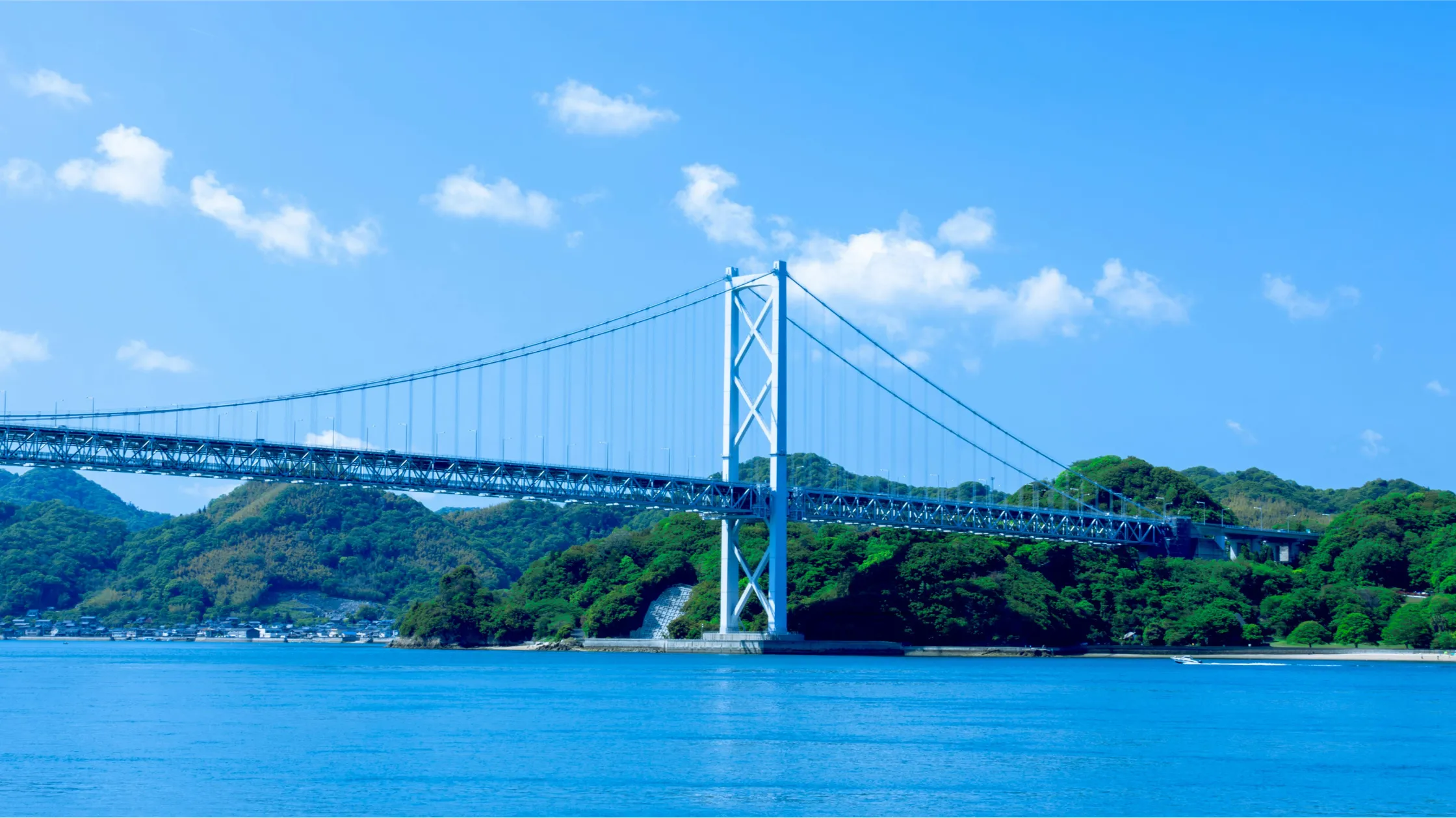
The Setouchi region ... a cluster of hundreds of islands in Japan’s Inland Sea, provides yet another distinct retreat vibe: the gentle rhythm of the sea. Lying between Honshu and Shikoku, these emerald-green islands enjoy a mild climate and calm waters. The Seto Inland Sea’s placid bays and scattered islets give the area a sense of timelessness. As one travel writer notes, Setouchi is “nestled in the tranquil Seto Inland Sea” and charms visitors with “rural landscapes and the soothing rhythm of island life”.
Indeed, many of the islands have traditional fishing villages, pine forests, and ancient Shinto shrines by the shore. Yoga retreats here often incorporate the sea: you might practice beachside meditation as fishing boats go by, or take an early-morning ferry ride as a moving meditation. Some Setouchi retreats even include art tours (the region is famous for its outdoor art installations), but at their heart is always the natural serenity: the cycle of tides, breezes through the pines, and the glow of sunrise over calm waters. For those who find stillness by the ocean, Setouchi’s islands ... from quiet Miyajima to art-filled Naoshima and beyond ... are a tranquil haven.
Conclusion
Each of these Japanese retreat locales showcases a different facet of nature and culture, appealing to different kinds of seekers. Mount Koya represents the classic mountain-temple retreat. Arashiyama appeals to those who want a graceful balance of nature and Kyoto’s refined culture. Yakushima is for wilderness lovers. The Izu Peninsula suits travelers drawn to a mix of seaside yoga, hiking, and onsen relaxation. Nagano’s highlands draw avid hikers and forest enthusiasts. Finally, the Setouchi islands attract those enchanted by coastal calm, where island-hopping and seaside savasana to the sound of waves are the main retreat activities.
In every case, Japan’s retreats unite mindfulness practice with the particular blessings of the locale ... whether misty mountaintops, serene groves, or ocean horizons. Together they demonstrate that in Japan, the path of yoga and meditation is often walked under bamboo canopies, within ancient temple walls, or on windswept shorelines ... each offering a unique way to connect with nature and one’s inner peace.
Share this article